Hoi An Homestays: Best Areas, Types and How to Choose
Choosing a Hoi An homestay? Compare Old Town, rice-field and An Bang Beach areas, what to expect, booking tips and who should skip each.
On this page
Last updated November 2026. Hoi An homestays are family-run guesthouses and small villas, usually with a host on site, breakfast and free or cheap bikes. They suit travellers who want local tips and a quieter base, and the main trade-off is location: Old Town alley, rice-field lane or An Bang Beach. Start with the area table below, then use our broader Hoi An neighbourhood overview if you are still undecided.
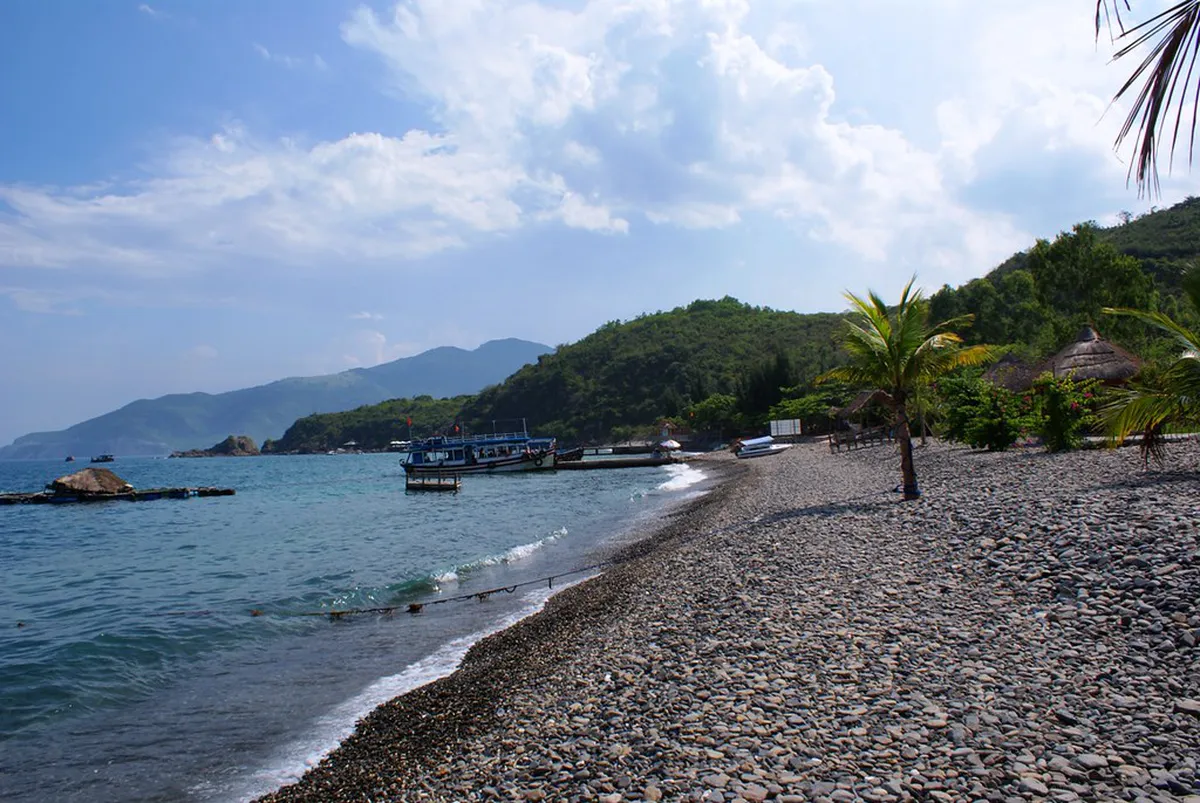
Featured image: shankar s., CC BY 2.0, via Flickr.
Hoi An Homestays by Area: Old Town, Rice Fields and the Beach
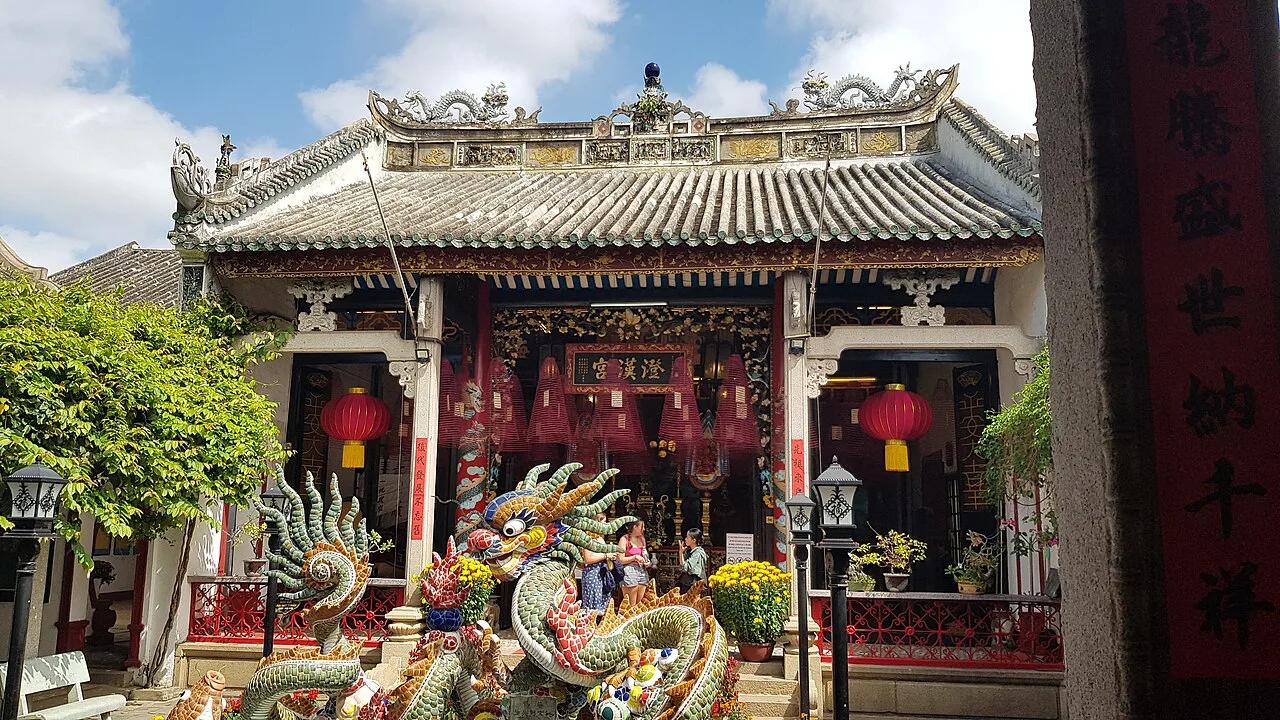
Most homestays cluster in three settings. Each one changes how you sleep, how you get to dinner and whether you need a bike. One Old Town listing, for example, sits 300 m from the Japanese Covered Bridge and 400 m from the Cantonese Assembly Hall. That is a short walk. Rice-field and beach stays are not.
| Area | Walkability | Noise | Transport need | Best for | Skip if |
|---|---|---|---|---|---|
| Old Town alley | Walk to the Japanese Covered Bridge and the river | Alley life, motorbikes and evening crowds nearby | Low | First visits, short stays, solo travellers | You want total silence or a pool |
| Rice field (Cam Chau, Cam Thanh and nearby lanes) | Cycle or ride to the Old Town | Roosters and birds; very quiet at night | Bike, motorbike or taxi daily | Couples, slow trips, longer stays | You arrive late or dislike dark lanes |
| An Bang Beach | Beach and cafes close; Old Town not walkable | Beach bars can run late | Bike or taxi to the Old Town | Beach days, families, remote workers | You plan to spend every evening in the Old Town |
What a Hoi An Homestay Includes
A homestay usually means a host family or small team runs the property and lives nearby or on site. Breakfast is often cooked to order. Many hosts lend bikes, arrange laundry and suggest cooking classes or boat trips. Hosts can also book transfers for you. Services vary by property, so read the listing's inclusions line rather than assuming.
- Breakfast: ask whether it is included and what time it is served.
- Bikes: check whether they are free, how many are available and whether they have lights.
- Air-conditioning and hot water: check both in recent guest reviews, especially for budget rooms.
- Gate or door rules: some alleys lock up at night, so ask how late-night entry works.
- Laundry: ask about price per kilogram and turnaround before handing over a bag.
- Room type: a private room in a family house feels different from a villa-style room with its own entrance.
Typical Costs by Tier
Nightly rates swing with season and with the booking platform, so a single quoted price goes stale fast. Think in tiers instead. Compare current rates on major booking platforms and on each property's own page, and note the date you looked. Homestays usually undercut hotels of similar quality, but boutique villa-style stays can match small hotels.
| Tier | Relative price | What you typically get | Where it tends to be |
|---|---|---|---|
| Budget | Lowest | Private room in a family house, fan or a/c, simple breakfast, bike loan | Old Town alleys and village lanes |
| Mid-range | Moderate | Newer rooms, reliable a/c and hot water, garden or rice-field view, cooked breakfast | Rice-field lanes and near An Bang Beach |
| Boutique | Highest | Villa-style rooms, few units, pool or garden, host-arranged extras | Rice-field settings and the beach side |
Getting There and Getting Around
Most visitors fly into Da Nang airport and continue to Hoi An by taxi, ride-hailing app or a transfer your host arranges. Ask the host to send a map pin and a phone number, because many homestays sit down narrow lanes that cars cannot enter. Alley stays may need a short walk with luggage. Rice-field and beach stays depend on bikes or taxis for every trip into town. For general visitor information, see the Vietnam tourism page for Hoi An. Check current taxi and train fares with the operators before you travel.
When to Go and Booking Tips
Rain and river flooding can affect the Old Town in the wet season, so ask your host about conditions if you travel in autumn. Beach stays make most sense in the drier, sunnier months. Check a meteorological source for the dates you plan to travel.
Book through a platform if you want clear cancellation terms and a payment record. Message the host directly if you need to ask about arrival time, airport pickup or a longer stay. Ask about the deposit and cancellation rules in writing before you pay.
Homestay, Hotel or Resort?
Pick a homestay for personal service, local advice and a smaller room count. Pick a hotel for a front desk, late check-in and predictable services. Pick a resort for a pool, spa and on-site dining.
- Want a front desk inside the walkable core? See our Old Town hotel options.
- Want a hotel by the sand? Browse hotels near An Bang Beach.
- Want a pool and full services? Compare Hoi An resort stays.
Common Mistakes and Who Should Skip a Homestay
Booking from a map pin is the classic error. A stay can look close to the Old Town and still need a 10-minute ride on busy roads, so check the route in a maps app first. Another mistake is ignoring alley access with heavy luggage. A third is assuming a beach homestay is walkable to the Old Town; it is not.
Old Town stays can sit 300 m from the bridge, but a map pin can hide a 10-minute ride. Check the route in a maps app before you book.
Skip a homestay if you arrive after midnight, need 24-hour reception or want a pool and gym on site. Light sleepers should also think twice about rice-field stays with roosters and beach stays near late bars. In those cases, a hotel or resort is the safer choice.
Useful notes for your Vietnam trip
Optional updates to our guides.
You might also like

Continue reading
More guides you'll find useful