Hanoi French Quarter: Route, Sights & Where It Starts
A practical guide to Hanoi's French Quarter: where it is, a walking route, what you can enter, and how it compares with the Old Quarter.
On this page
Last updated November 2026. The Hanoi French Quarter is the colonial-era street grid south and southeast of Hoan Kiem Lake. Plan about 3–4 hours for the highlights and 6–8 hours if you add museums and long meals. Use our Hanoi neighborhoods guide to see how it fits against the other areas.
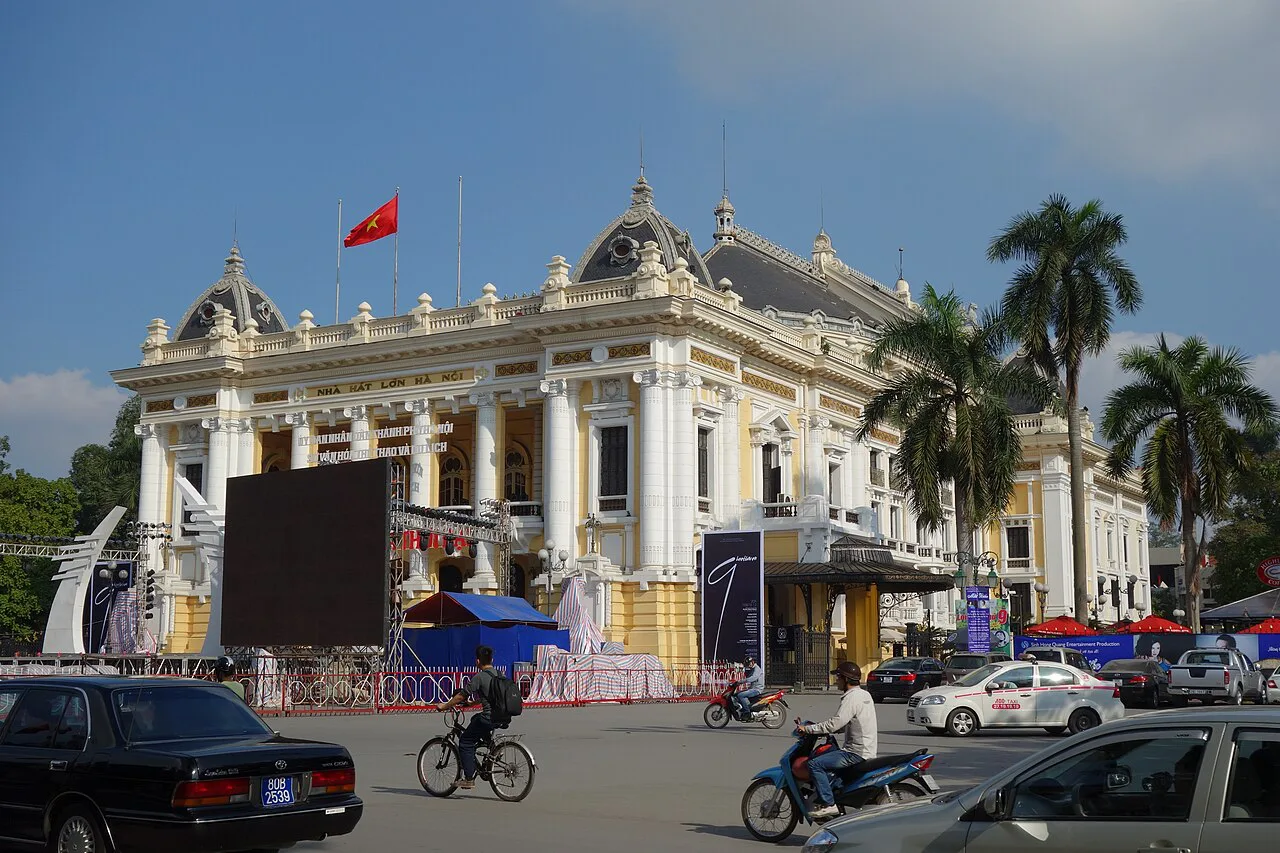
Featured image: Schwede66, CC BY-SA 3.0, via Wikimedia Commons.
What the Hanoi French Quarter is and where it ends
"French Quarter" is a visitor label, not an administrative district. Locals and maps speak of Hoan Kiem and Hai Ba Trung districts instead. The label covers the wide, gridded streets the French planned south of the Old Quarter. Guides disagree on exact edges, so treat the boundaries as soft. A common description puts Hang Bai to the north and Hai Ba Trung street to the south. Trang Tien sits to the east and Phan Chu Trinh to the west. That box measures roughly 2 km north to south and 1.5 km east to west. Hanoi Opera House is the easiest anchor for orientation. From its square, most sights are a short walk in any direction.
French Quarter vs Old Quarter vs West Lake: which to pick
Each area suits a different kind of day. Pick the French Quarter for architecture and museums. Pick the Old Quarter for street energy, and West Lake for a slower pace.
| Factor | French Quarter | Old Quarter | West Lake / Ba Dinh |
|---|---|---|---|
| Atmosphere | Wide streets, colonial facades | Narrow lanes, trade streets | Lakeside, calmer |
| Walkability | Grid layout, easy to follow | Maze of lanes, crowded | Spread out, better by ride |
| Food style | Cafés, hotel dining, mid-range restaurants | Street food, cheap eats | Lakeside restaurants |
| Nightlife | Quiet, hotel bars | Loud, late | Mostly quiet |
| Sleep noise | Lower on side streets | Highest | Low to moderate |
| Best for | Architecture and museum fans | First-timers after street life | Slow trips, longer stays |
- For lanes and street food, read our Old Quarter guide.
- For a lakeside contrast, see West Lake.
A short history, with only the dates that matter
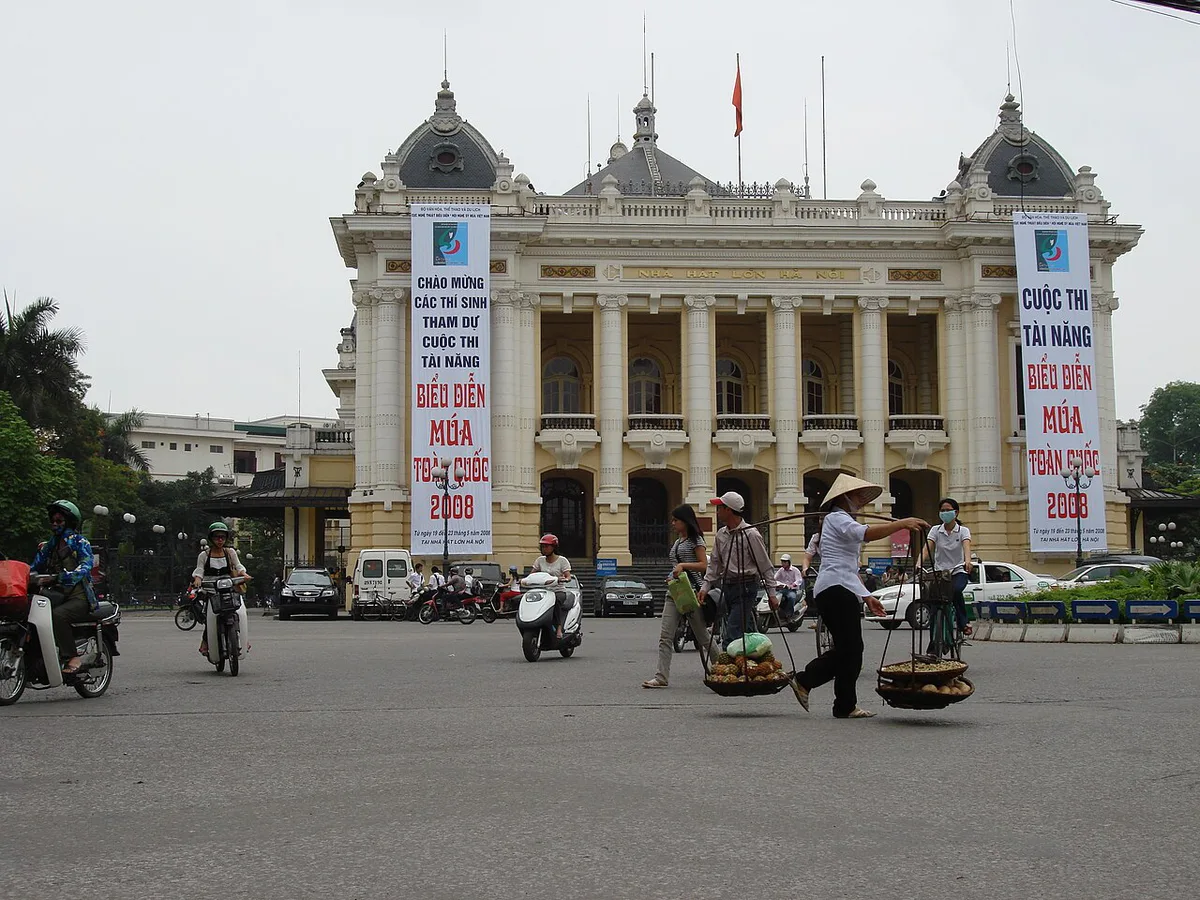
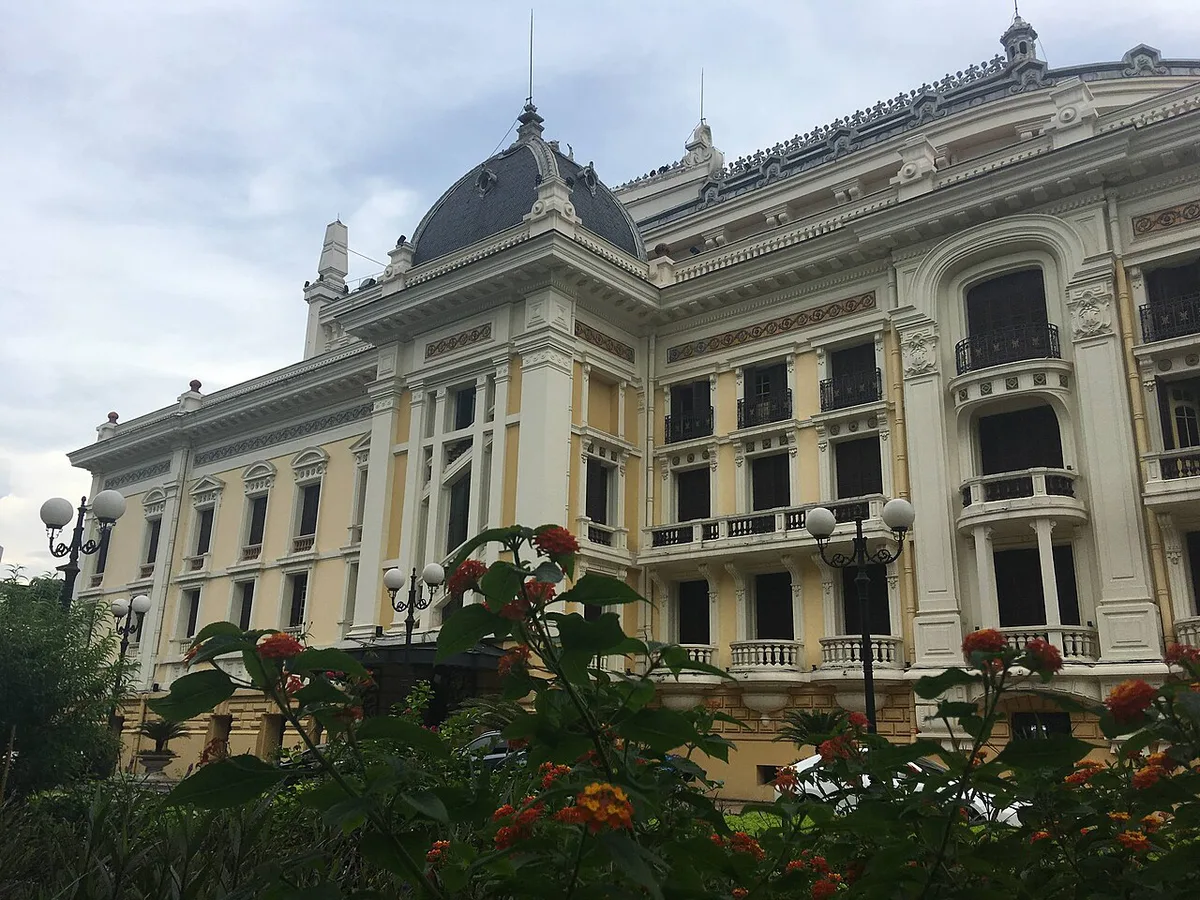
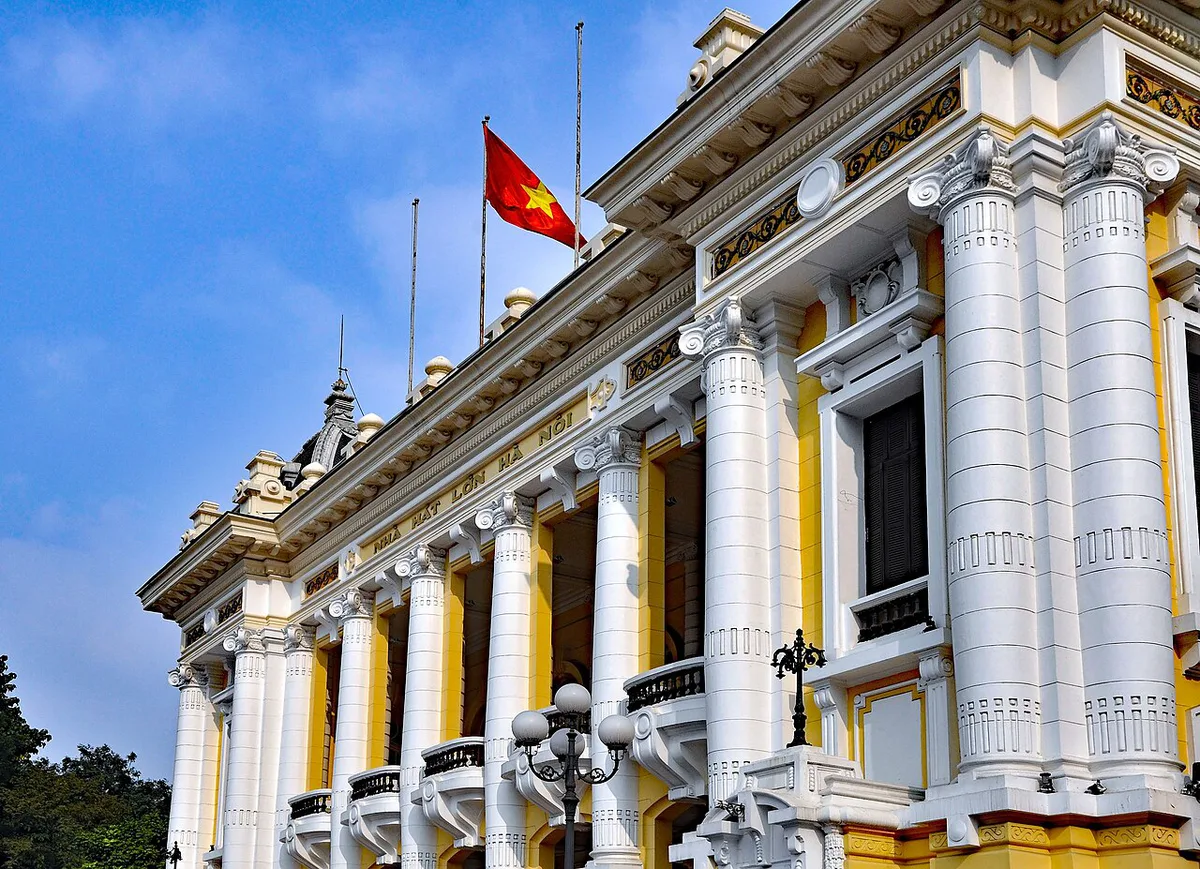
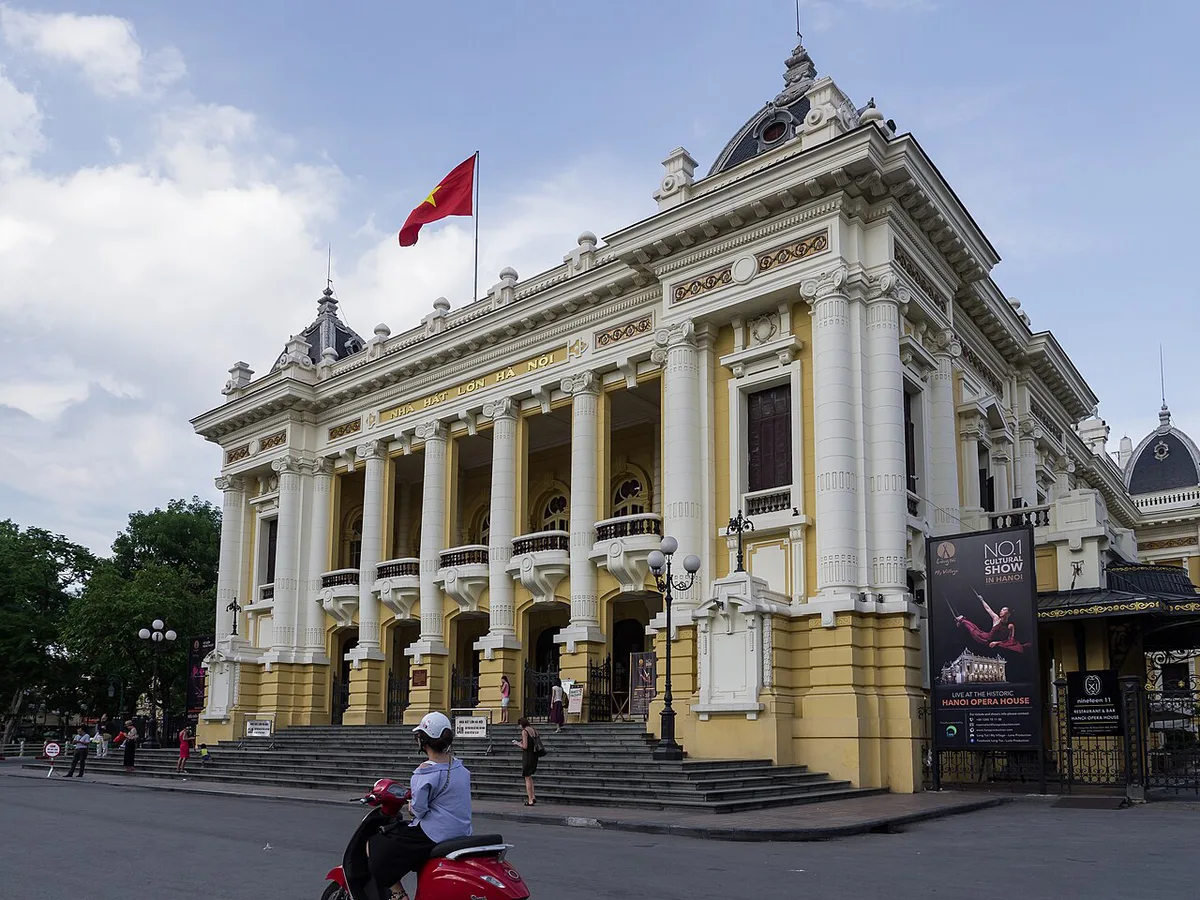
French planners laid out this grid during the colonial era, with government buildings, villas and a cathedral. Three dates are widely cited. St. Joseph's Cathedral was completed in 1886. Sofitel Legend Metropole Hanoi opened in 1901. Hanoi Opera House was built between 1901 and 1911 and is commonly described as modeled on the Palais Garnier in Paris. Together these show how the district grew around a few formal landmarks. Many of those buildings now serve as museums, hotels or government offices.
A walking route through the French Quarter
Follow one loop and you cover the core in about 3–4 hours. Add museum interiors and a long lunch and you reach 6–8 hours. Start early and keep the longest indoor stops for midday. Check the order against a map before you leave.
Finish the walk at St. Joseph's Cathedral, which was completed in 1886 and predates the Metropole's 1901 opening.
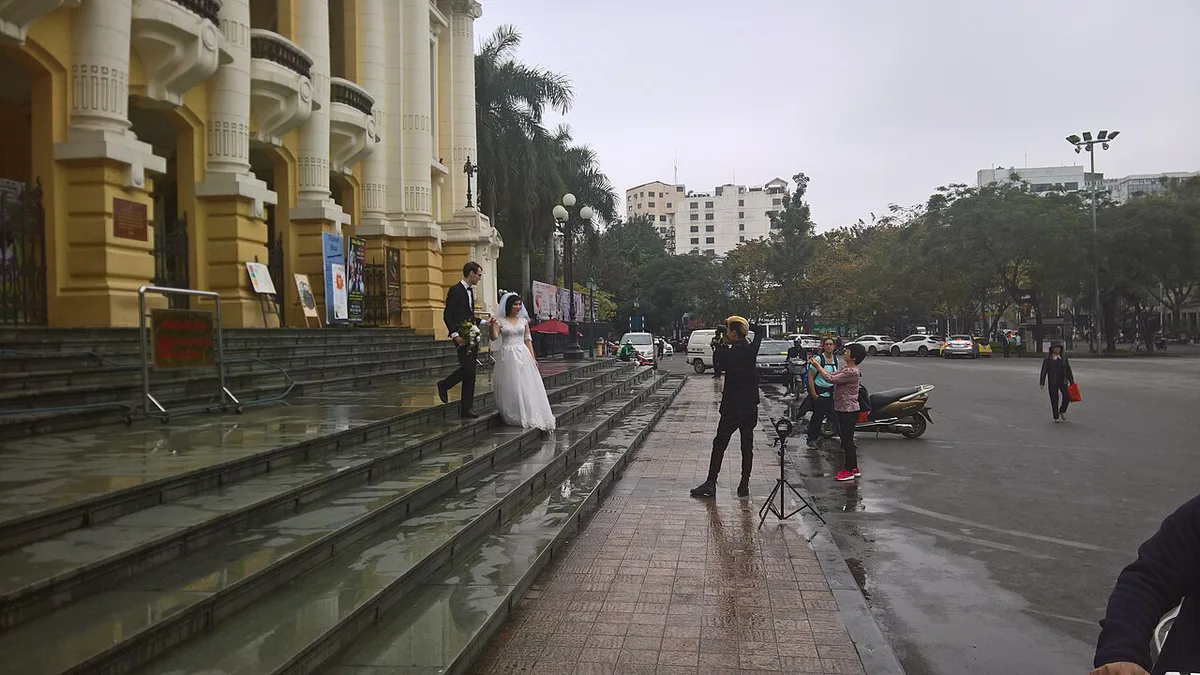
- Start at Hanoi Opera House and its square.
- Walk to Trang Tien Plaza and the shopping street beside it.
- Continue to the Sofitel Legend Metropole Hanoi for the facade and a coffee stop.
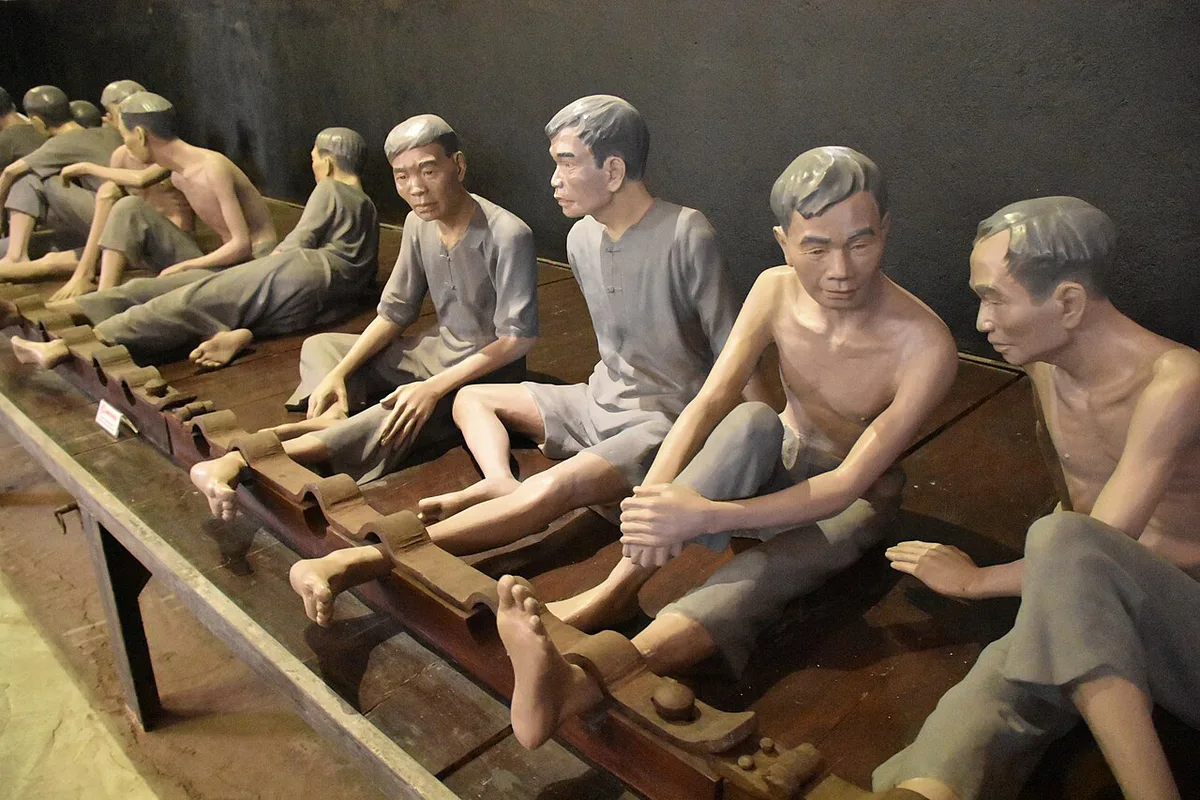
- Reach Hoa Lo Prison Museum for the indoor history stop.
- Finish at St. Joseph's Cathedral, which sits just west of the core grid.
- Short version: skip Hoa Lo and end at the cathedral.
- Longer version: add the National Museum of Vietnamese History and the Vietnamese Women's Museum.
Landmarks: what you can enter and what is exterior-only
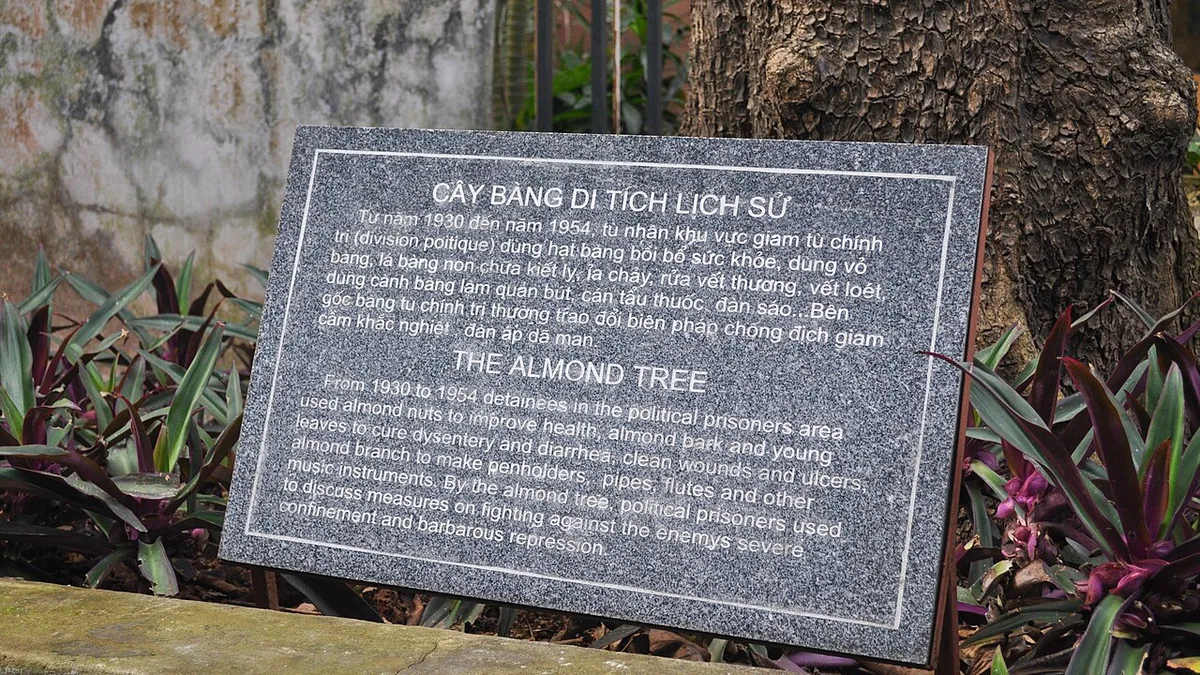
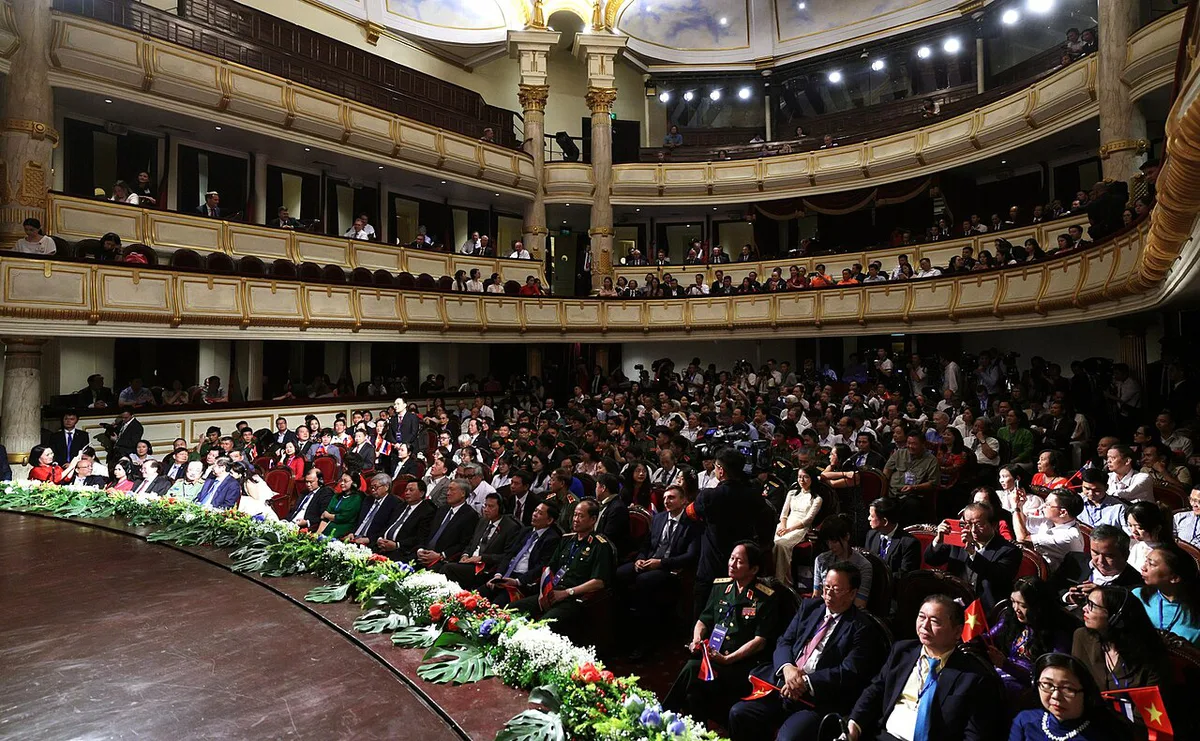
Treat each building by access type before you plan. Hoa Lo Prison Museum is a visitable museum, and the Hoa Lo Prison Memorial site carries current hours and tickets. The prison was built by the French to hold political prisoners. Its "Hanoi Hilton" nickname dates from the US prisoner-of-war era, so read it as context, not branding. The National Museum of Vietnamese History and the Vietnamese Women's Museum are museums housed in colonial-era buildings. Hanoi Opera House is mainly entered for performances, so check its event listings. The Presidential Palace, the French Consulate and the Government Guesthouse are best seen from the street. Do not plan interior visits there. Hotel Metropole welcomes diners and drinkers at its restaurants and bar.
Food, coffee and an evening stop
Stop for coffee near the Opera House or on the Trang Tien side, where cafés fill colonial-era shopfronts. Hotel dining around the Metropole suits a slower lunch or a jazz-style evening drink. Menus and venues change often, so look at current listings before you pick a table. For a night at the opposite extreme, walk north to Ta Hien Beer Street Hanoi: Hours, Prices & Tips. Its loud crowds and plastic stools contrast with the quiet grid here.
Shopping on and around Trang Tien
Trang Tien Plaza is the main retail anchor, a department-store style building with international brands. Trang Tien street runs beside it and mixes shops with cafés. Expect mid-range to upscale shopping here, not the bargaining of the Old Quarter. Smaller art and craft shops sit on side streets nearby. Prices and hours differ by shop, so read the posted signs.
Getting around and local logistics
Walk first, since the grid is easy to follow. Cyclos suit slow, short loops, while xe om motorbike taxis and Grab save time on longer legs. Pavements are not always clear. Parked motorbikes often block them, so you may step into the road. When crossing, walk at a steady pace and let riders flow around you. Download an offline map before you set out. In summer heat, plan an indoor stop every hour or so, such as a museum or café. On rainy days, swap the outdoor sights for Hoa Lo and the museums.
Best time of day and season
Early morning and late afternoon work best. Many guides name 7–9 AM and 4–6 PM, while others start at 6 AM. Autumn and spring give the most comfortable walking, roughly September to November and March to May. June to August brings heat and humidity, so shorten the outdoor legs. December to February is cooler and can be drizzly, which suits museum-heavy days.
- Mistake to avoid: treating exterior-only buildings as visits.
- Mistake to avoid: doing the full route at midday in summer.
Where to stay: who this area suits
Sleep here if you want wider streets, lower noise and walking access to Hoan Kiem Lake. Hotels run from luxury names like the Metropole to mid-range options, so compare current rates. Choose the Old Quarter instead for street energy and cheap beds, accepting the noise. Our Old Quarter stay notes cover that trade-off. Light sleepers should ask for rooms away from main roads.
Connecting to the rest of Hanoi
The Old Quarter is about a 10–15 minute walk north via Hang Bai or around Hoan Kiem Lake. Ba Dinh and West Lake are better reached by taxi or Grab. For a short rail-side stop, see Hanoi Train Street: Is It Open, Times and Safety, and check its current access status first. Use the neighborhoods hub to string several areas into one itinerary.
Hang Bai is the common northern edge of the grid, so the Old Quarter is only a 10–15 minute walk past it.
Frequently Asked Questions
Why is the French Quarter so famous?
It holds Hanoi's best-known colonial landmarks, including the Opera House, St. Joseph's Cathedral and the Metropole. Wide streets and neoclassical buildings set it apart from the Old Quarter.
Is it still safe to travel to Hanoi?
Most visitors find the French Quarter calm and easy to walk. Main risks are traffic and occasional pickpocketing. Keep valuables close and check your government's current travel advice before you go.
Useful notes for your Vietnam trip
Optional updates to our guides.
You might also like
Continue reading
More guides you'll find useful