Hang Gai Silk Street Hanoi: Buying Silk, Tailors and Tips
Plan a visit to Hang Gai silk street in Hanoi: how to spot real silk, tailor-made vs ready-made, a walking route, and local shopping tips.
On this page
Last updated November 2026: hang gai silk street is the Old Quarter's main strip for silk scarves, ready-made clothing and tailored outfits, close to Hoan Kiem Lake. It suits travelers who want a fitted ao dai or shirt more than a bag of trinkets. Allow 45 minutes to browse, or 90 minutes if you plan to order tailoring.
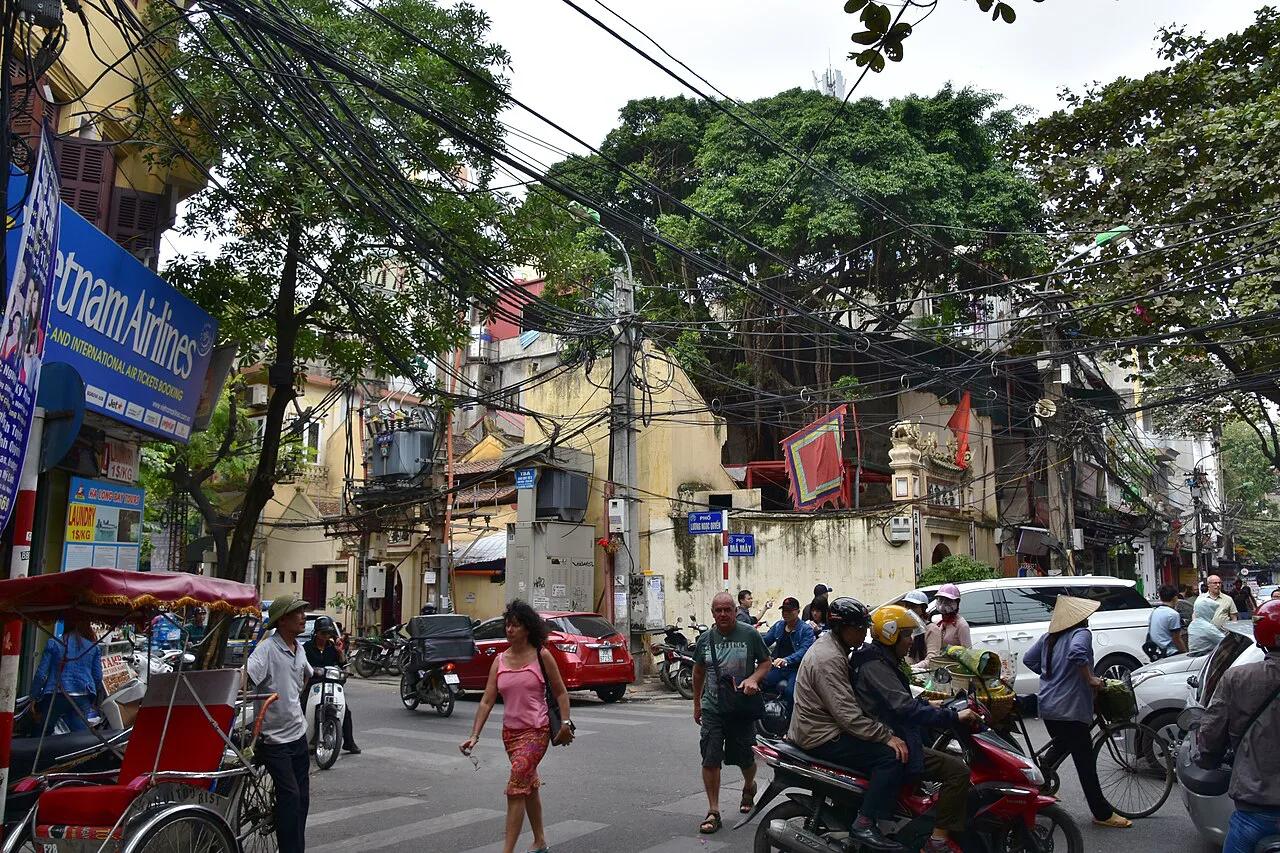
Featured image: Benjamin Smith, CC BY-SA 4.0, via Wikimedia Commons.
Hang Gai Street at a Glance
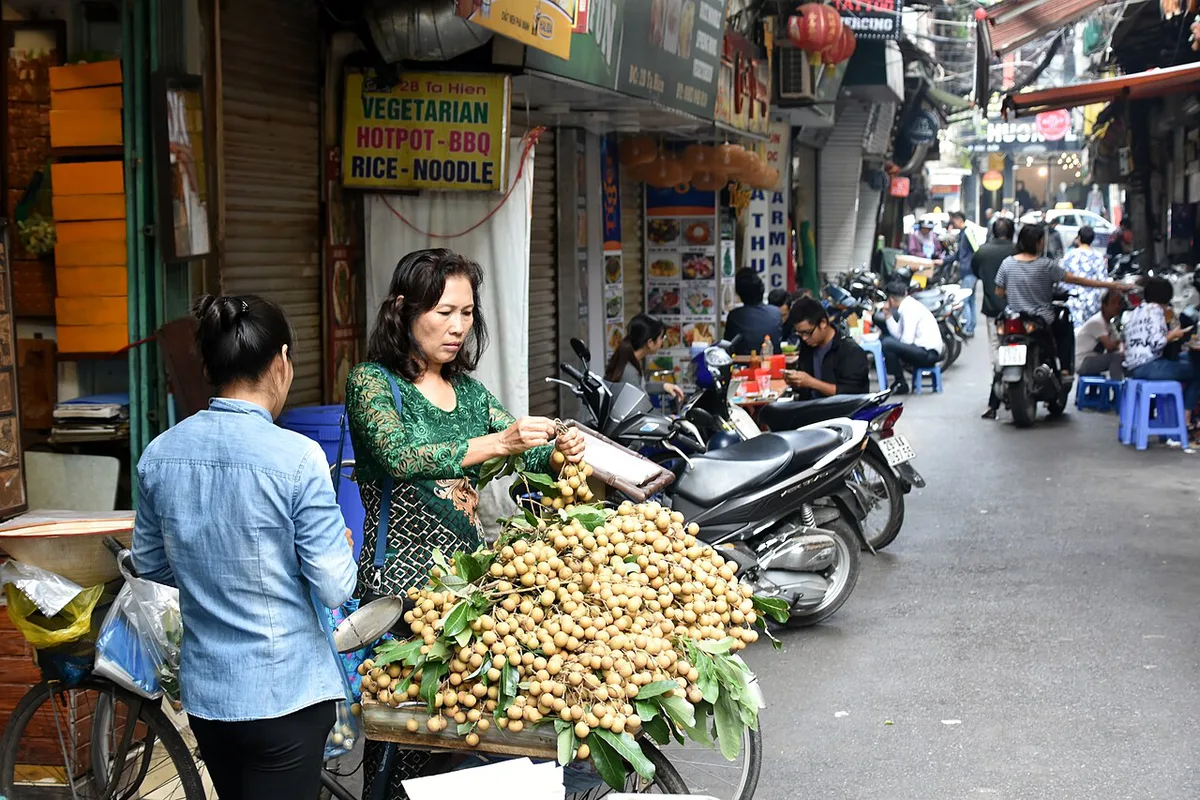
Hang Gai is one of the 36 streets of the Old Quarter. Silk shops, tailors, gift stores, hotels and cafés now share its frontage. Quality varies from shop to shop, so a buying method matters more than a shop name. For the wider picture of where to shop in the city, start with our guide to Hanoi's markets.
- What it is: the Old Quarter's silk and tailoring street
- Where: beside the Hoan Kiem Lake end of the Old Quarter
- Time needed: 45 minutes to browse, 90 minutes to buy and order tailoring
- Best for: scarves, ties, ready-made silk clothing, a made-to-measure ao dai or shirt
- Payment: cash and card acceptance differs by shop, so ask before you choose
Where Hang Gai Street Is and How to Get There
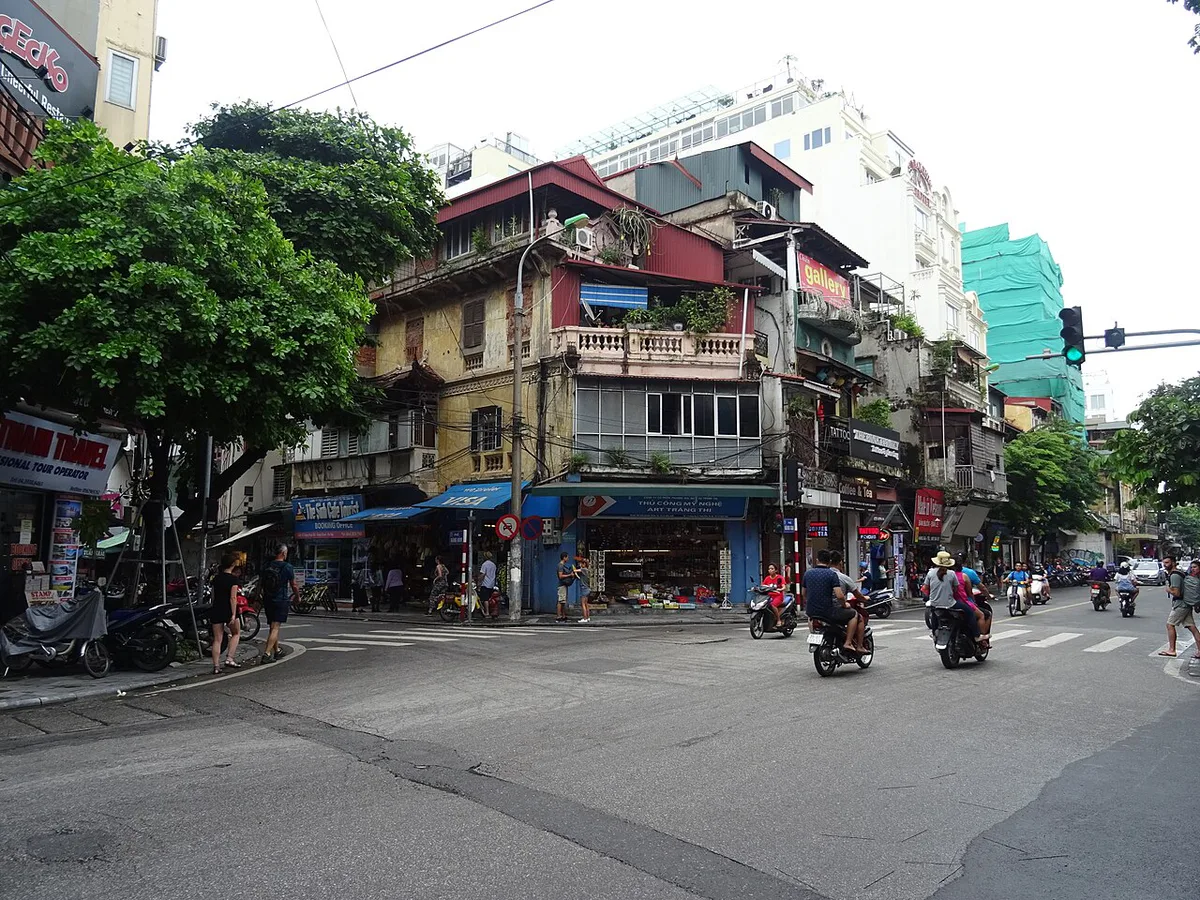
Hang Gai sits on the edge of the Old Quarter, near Hoan Kiem Lake. It meets Hang Bong to the west and Hang Dao to the south. The street is roughly a quarter-kilometre long, so one pass takes only minutes. The slow part is the shops.
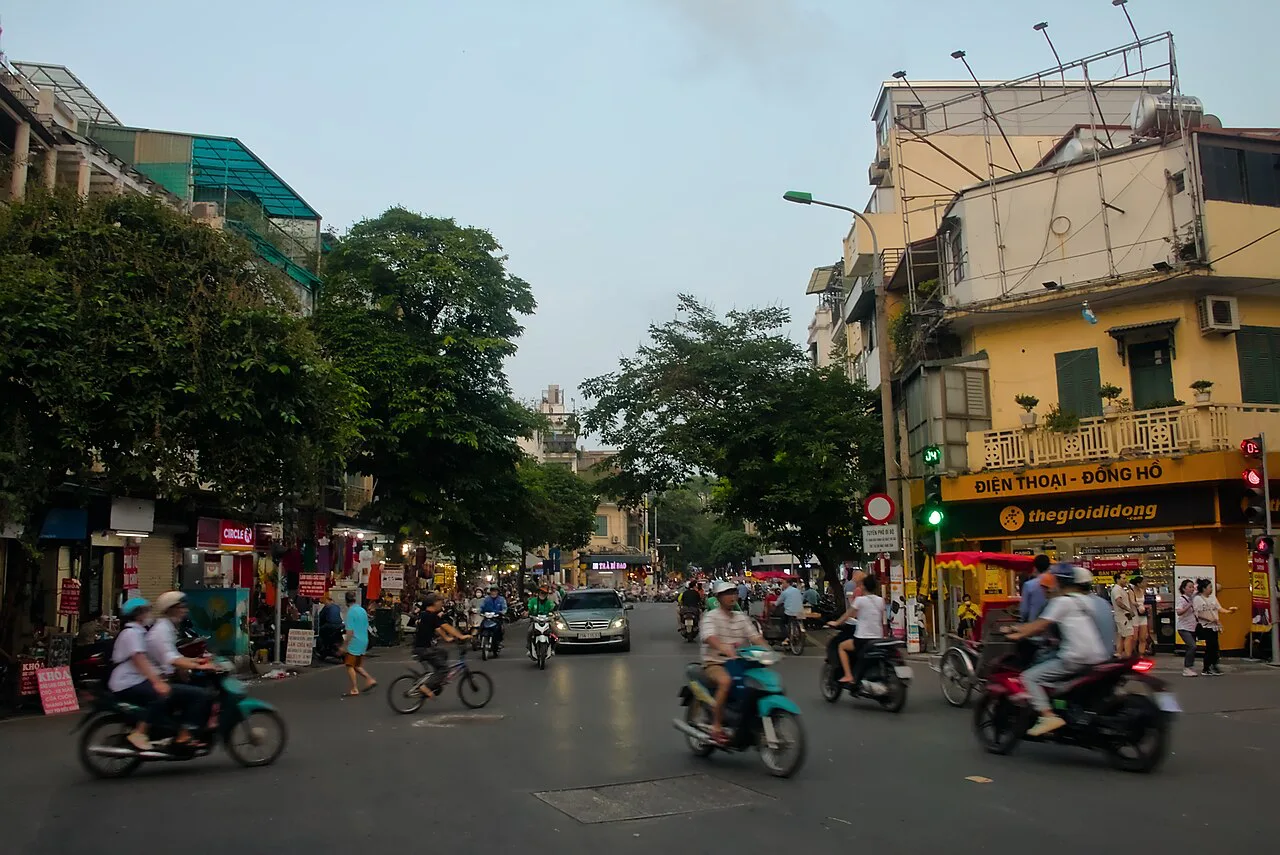
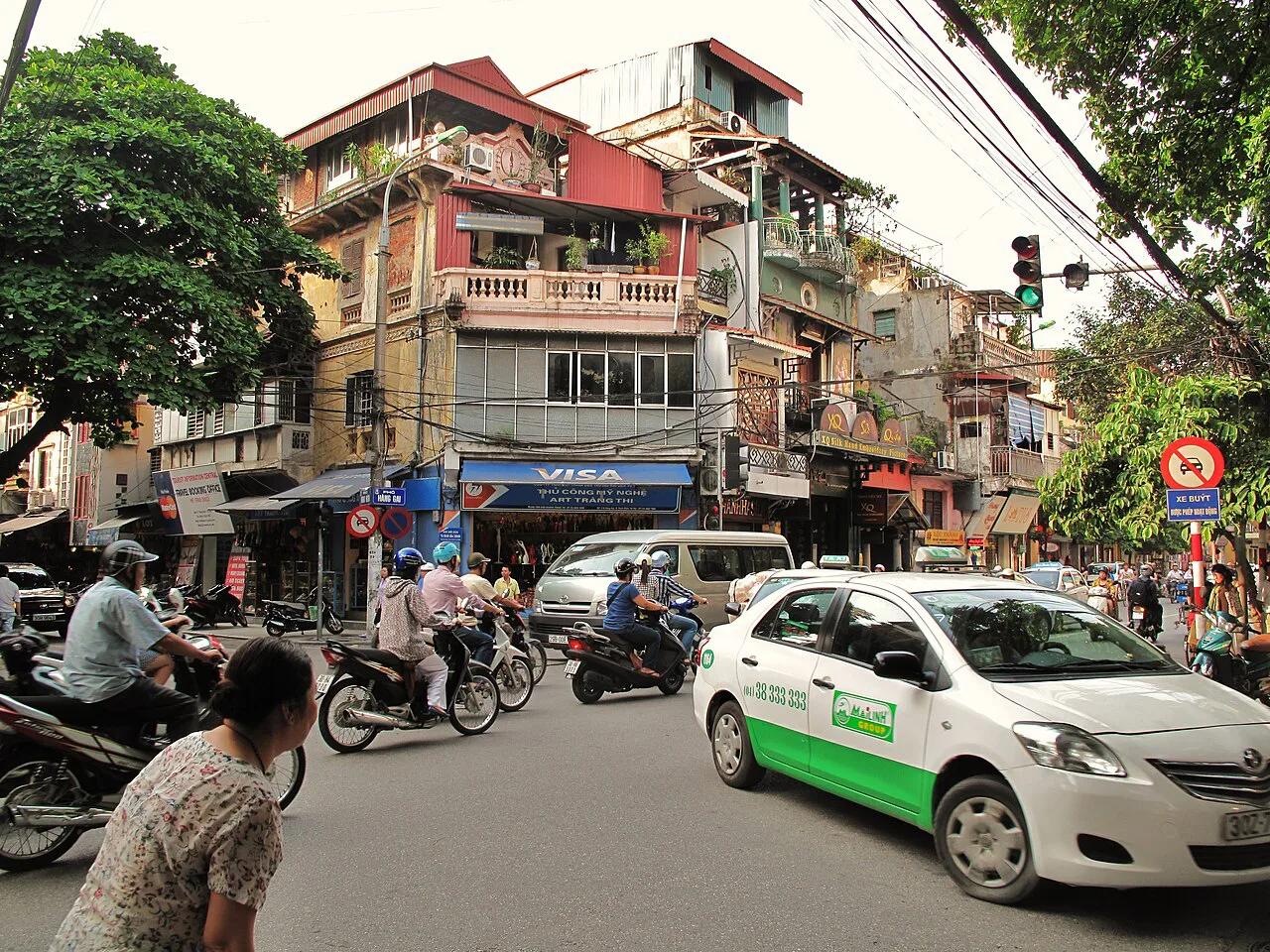
The easiest arrival is on foot from Hoan Kiem Lake. If you ride-hail, ask for a drop-off at the lake edge and walk the last stretch. Pavements fill with parked motorbikes and browsing shoppers, so expect to step into the road at times. Bus numbers differ between listings, so use a live transit app rather than a printed list. The national tourism site is a starting point for general visitor information.
Why It Is Called the Silk Street
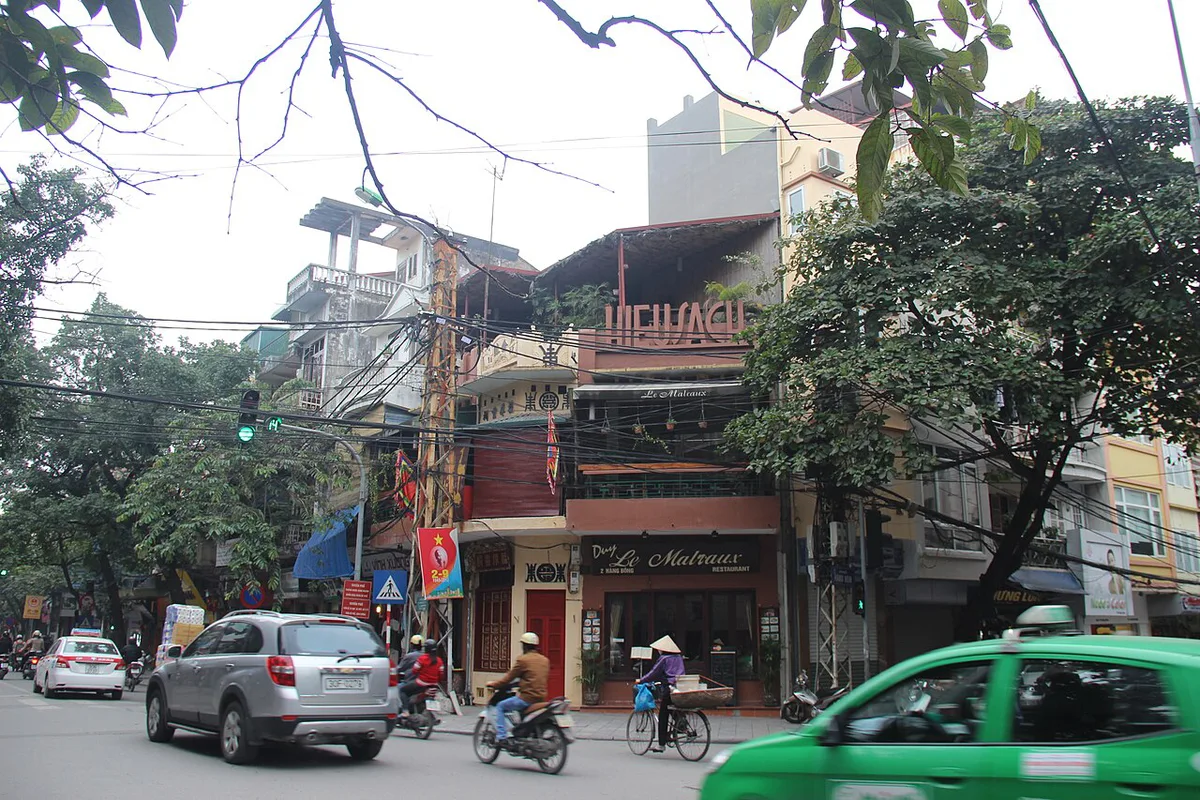
Hang Gai means roughly "hemp street". The name comes from gai, the hemp plants used for rope and hammocks. French colonial maps called it Rue du Chanvre, a reference to the same hemp trade.
Printing and publishing later took over many premises, and silk followed. Today the older hemp and printing trades have gone. Hotels, travel desks, souvenir stores and silk shops fill the buildings. Some guides describe silk here as coming from Van Phuc, a silk-weaving village. Treat that as a shop's claim, not a guarantee, because any label can be printed.
Buying Silk on Hang Gai Silk Street: How to Spot the Real Thing
Some goods here are real silk, some are blends, and some are imported synthetics. You cannot judge by color or shine alone. Use a short sequence of checks, in this order.
- Ask for fiber content and origin, and get the answer in writing on a receipt or tag.
- Touch and drape: real silk feels smooth and warm to the hand, and falls softly rather than stiffly.
- Compare one item against a fixed-price shop first. That gives you a price anchor.
- Ask about a burn test on loose fabric or an offcut only. Never burn a finished garment, and never insist if the shop refuses.
- Walk past a shop that cannot say what the fabric is.
Ready-Made or Tailor-Made?
Some tailors quote 24 hours, others 48 hours. Treat both as best cases, not promises. Fittings add days, and a second adjustment adds more. Plan the order around your itinerary, not the other way round. For gifts and small items, see our notes on Hanoi Souvenirs: What to Buy, Where to Shop and What to Skip.
Your 90-minute visit covers ordering, not the wait. Some tailors quote 24 hours, others 48 hours.
| Option | Time needed | Fittings | Main risk | Best for |
|---|---|---|---|---|
| Ready-made scarf or tie | Minutes | None | Blend sold as silk | Short stays, gifts |
| Ready-made shirt or dress | 15-30 minutes | Try-on only | Size and cut do not suit | One-day visitors |
| Tailored shirt or suit | Fast option possible; allow extra days for fittings | At least one | Missed pickup before your flight | Stays of three or more days |
| Tailored ao dai | Allow extra days for fittings | One or more | Fabric swapped or poor fit | Travelers who can return mid-process |
Bargaining, Payment and Mistakes to Avoid
Bargaining is common practice in small shops, and many guides suggest opening well below the first quote. It varies by shop, and fixed-price stores exist. Stay polite and keep it light. Pay a deposit only after the fabric is confirmed. Ask what the shop accepts before you start, since cash and cards are handled differently from one counter to the next.
- Paying in full before confirming fabric and origin
- Skipping a mid-process fitting
- Booking pickup too close to your flight
- Buying heavy items without checking your luggage allowance
- Taking a spoken fabric claim without a receipt
What Else to See on the Street
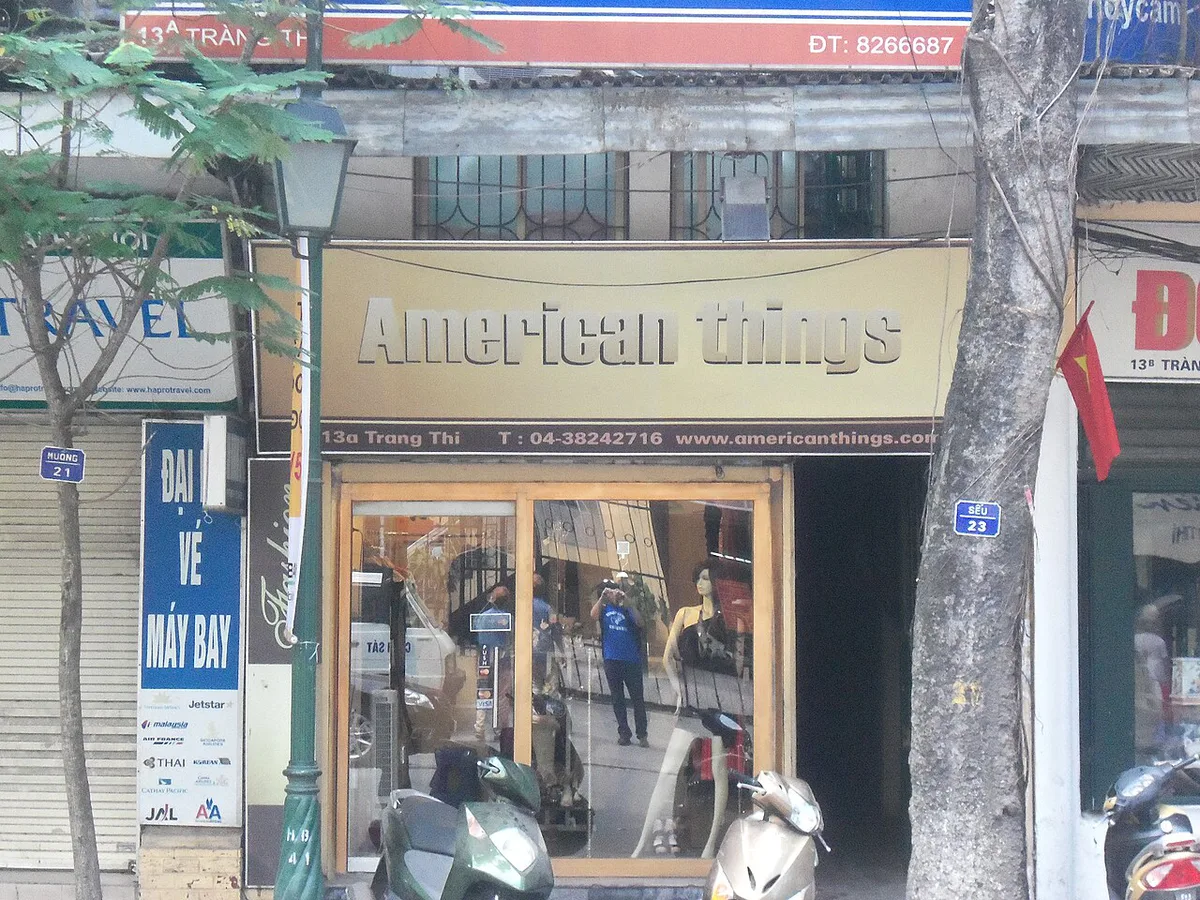
Many buildings are Old Quarter tube houses. One guide describes frontages of 2 to 4 m running back 20 to 60 m, so step inside a shop to see how deep they go. Co Vu Communal House stands at 85 Hang Gai and is a shrine tied to the street's older village past. A vintage café is reported at no. 11, reached past a clothing store. Opening times at both can change, so look at the door before planning around them.
Frontages of 2 to 4 m running back 20 to 60 m mean a 45-minute pass can miss the back rooms.
How Long to Spend and a Walking Route
Start at Hoan Kiem Lake and walk to Hang Gai. Work along one side, then return along the other. Match the plan to your time.
- 45 minutes: walk the street once, handle fabrics, compare two shops, buy a scarf or tie.
- 90 minutes: add a price check at a fixed-price shop, order tailoring and book a fitting.
- Half day: add Ngoc Son Temple on the lake, Co Vu Communal House at 85 Hang Gai and a café stop, then loop through the Old Quarter.
- Thang Long Water Puppet Theater is also near the lake, so it pairs well with an evening finish.
Hang Gai vs Dong Xuan Market, Souvenir Shops and Malls
Pick by what you want to buy. Hang Gai suits tailoring and silk. Dong Xuan Market Hanoi: Hours, What to Buy & Is It Worth It is the wholesale and bulk option, with more haggling and less hand-holding. Dedicated souvenir shops work for quick gifts. For fixed prices and air conditioning, look at Hanoi's shopping malls. Hang Gai sits between them, with some bargaining, some fixed prices and the best chance of a garment cut to your size.
Where to Eat Nearby
Food is a few minutes away rather than on the street itself. Streets near Hang Gai that guides name for food include To Tich, Hang Quat, Cau Go and Ly Quoc Su. Walk those and choose a busy counter. Check each place's current hours at the door, since they change.
Frequently Asked Questions
Where is the best place to buy silk in Vietnam?
For a short Hanoi stay, Hang Gai Street is the Old Quarter's main place to buy silk and have clothing tailored. Silk is also sold elsewhere in Vietnam, but this street lets you compare many shops on foot. Use the written-fabric check before you pay.
Useful notes for your Vietnam trip
Optional updates to our guides.
You might also like

Continue reading
More guides you'll find useful