Da Nang or Hoi An? Where to Stay and How to Split Time
Da Nang or Hoi An for your Central Vietnam trip? Compare base, beaches, costs, transport and trip length, with clear picks by traveler type.
On this page
Last updated November 2026. Da Nang or Hoi An is easier to settle than it looks, because the two are only about 30 km apart. Pick Hoi An for a short first trip built around lantern nights and walking. Pick Da Nang for longer stays, beaches, city facilities and airport access, or split your nights between them.
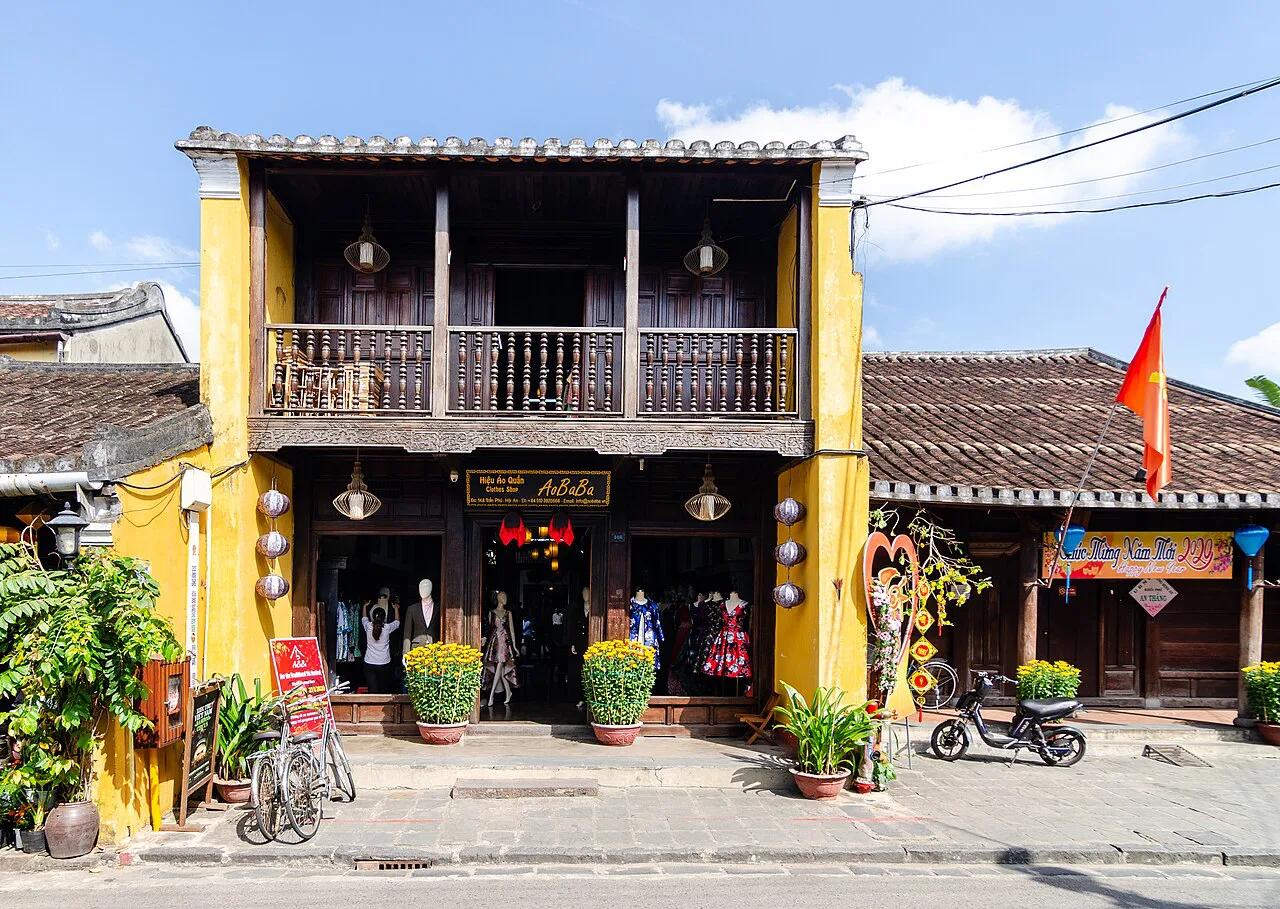
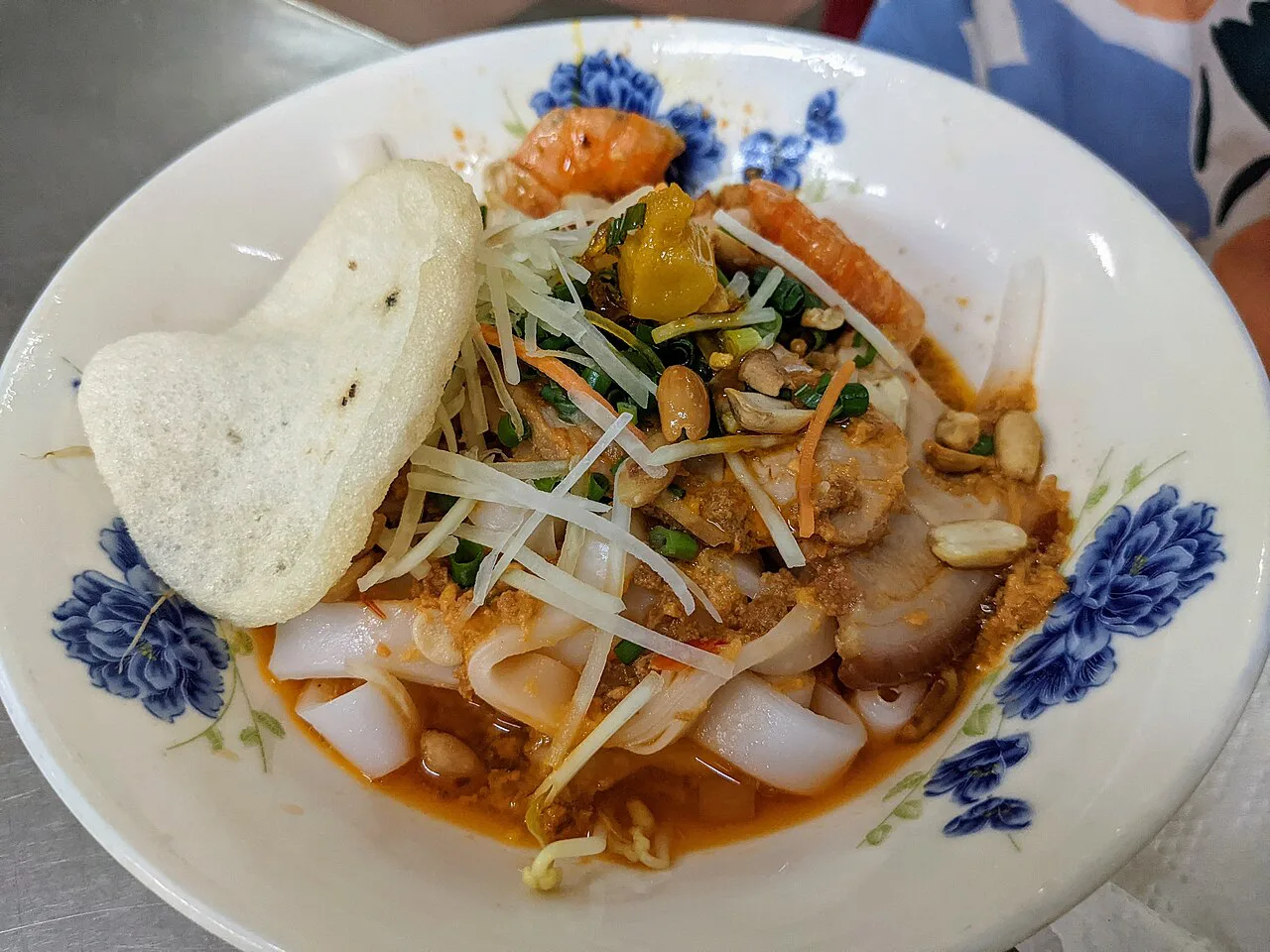
Featured image: Steffen Schmitz (more photos), CC BY-SA 4.0, via Wikimedia Commons.
Quick Verdict: Da Nang or Hoi An
Start with how many nights you have. Our guide on how long to spend in Da Nang covers the full city; this page settles the base decision. Hoi An wins on atmosphere after dark. Da Nang wins on range, space and practicality. Use these rules to decide.

- Choose Hoi An if you have 2 or 3 days in Central Vietnam, want Old Town evenings on foot, or prefer a quieter pace.
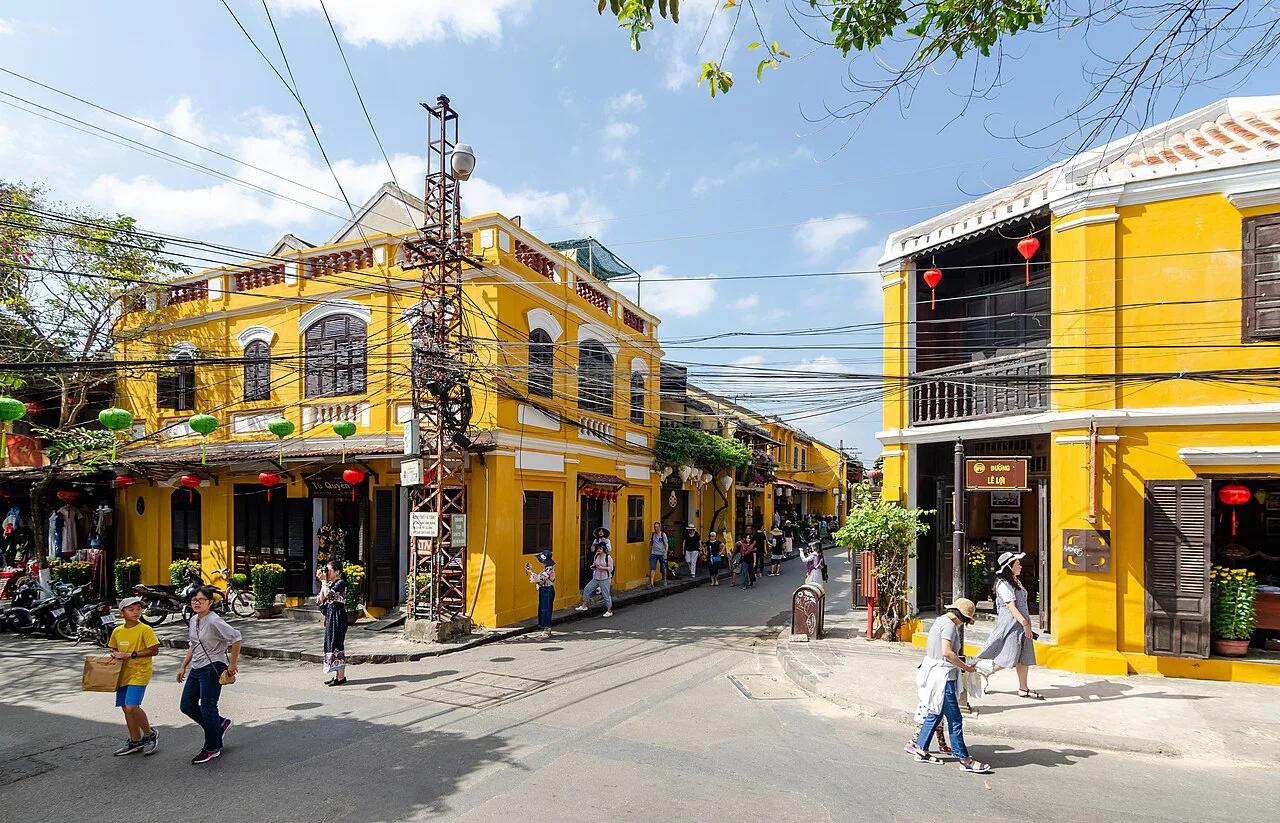
- Choose Hoi An if heritage matters most: its Old Town is a UNESCO-listed 15th-century trading port.
- Choose Da Nang if you have 5 or more nights, a tighter budget, or plan to work remotely.
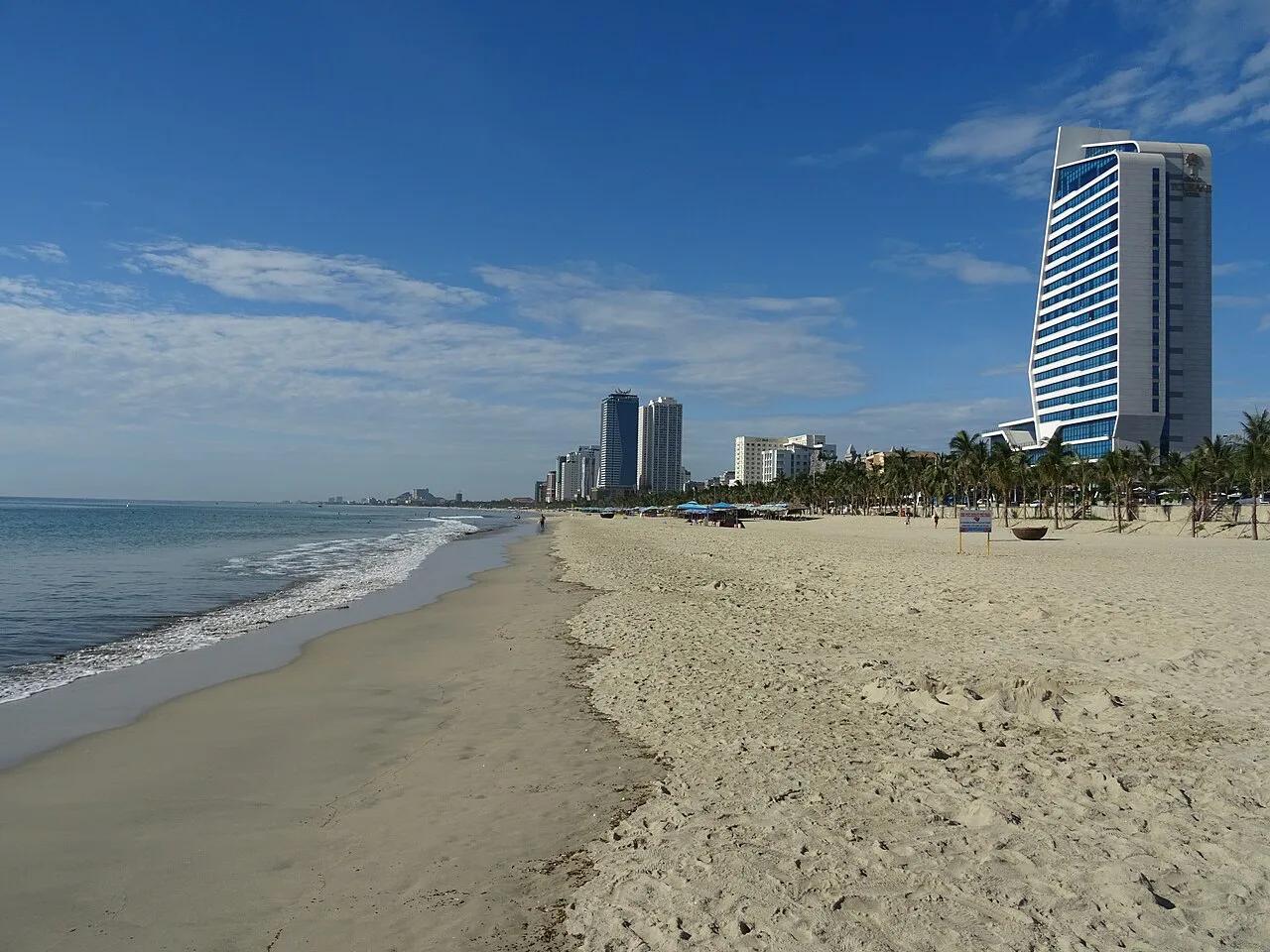
- Choose Da Nang if you want a long city beach, malls, cinemas, rooftop bars and a train station and airport on your doorstep.
- Split the trip if you want both: sleep in each for a few nights and avoid day-trip overhead.
Side-by-Side Comparison

Hoi An is more atmospheric but more touristy and generally pricier. Da Nang is more functional and more varied. Both sit on the coast, and both have sandy beaches.
| Factor | Hoi An | Da Nang |
|---|---|---|
| Feel | Pedestrian Old Town, tube houses, pagodas, lanterns | Large modern city on the Han River |
| Beach base | An Bang and Cua Dai, away from the Old Town | My Khe, a long city beach |
| Walkability | High inside the Old Town | Good by neighborhood; distances are larger |
| Nightlife | Low-key riverside cafes and bars | Bigger scene, rooftop bars and clubs |
| Shopping | Tailors and lanterns | Malls, Con Market, boutiques |
| Budget | Homestays from VND 200,000 a night | Coastal hotels around VND 500,000 a night |
| Getting in | No airport or train station | Airport and train station |
| Weather angle | Flooding can disrupt the Old Town in the wet season | Dry window runs early April to mid-September |

Getting Between Them and Getting There
Hoi An has no airport or train station of its own. Nearly every visitor lands at Da Nang International Airport or arrives at Da Nang station, then continues by road. The drive is about 30 km and takes roughly 40 minutes by car. Local buses, the YellowBus, taxis and Grab motorbikes all serve the route. Green SM electric taxis are also reported in both cities. Flights from Hanoi or Ho Chi Minh City take about 1 hour. Fares run roughly VND 1,300,000 to VND 3,000,000. Trains from the same cities take about 17 hours and cost VND 600,000 to VND 1,100,000. Check the national tourism authority for current transport guidance.

Cost and Time Trade-Offs
Lodging figures here are approximate rates checked November 2026. Hoi An homestays start at about VND 200,000 a night. Upscale Hoi An hotels and resorts sit around VND 2,500,000 and above. In Da Nang, coastal hotels with full amenities cost around VND 500,000. Hoi An has become pricier as its popularity grew, while Da Nang offers more cheap meals and rooms. Each day trip costs about 40 minutes each way. That is roughly 80 minutes of road time per round trip, plus the evening return after lantern viewing. Sleeping in Hoi An removes that cost. Sleeping in Da Nang removes the luggage shuffle at airport and station.

- Hoi An homestay: from VND 200,000 a night
- Da Nang coastal hotel: around VND 500,000 a night
- Upscale Hoi An hotel: VND 2,500,000 and above a night
Where to Stay by Traveler Type

Match the base to the trip. Few hotels sit inside the Old Town itself, so you will often choose between a central guesthouse, a beach-side stay and a countryside stay.
- First trip or older travelers: Hoi An. Old Town sights are walkable and traffic is lighter.
- Families: Da Nang for space and facilities, or a beach-side Hoi An resort near An Bang.
- Backpackers and budget travelers: Da Nang, with more options for cheap meals and rooms.
- Digital nomads and long stays: Da Nang, with co-working cafes, long-term rentals and easy transport.
- Nightlife seekers: Da Nang, along the Han River and Bach Dang Pedestrian Street.
- Medical or spa travelers: Da Nang. Research providers independently.
Atmosphere, Beaches and Things to Do

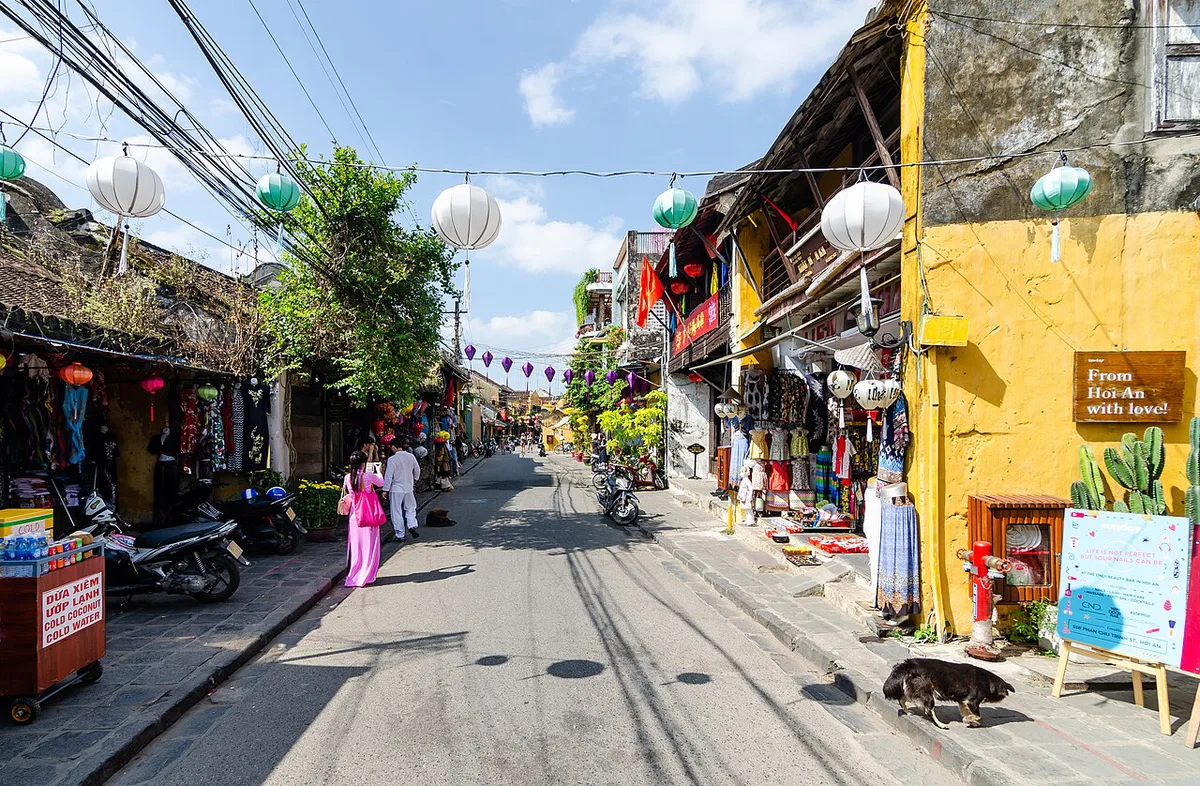
Hoi An Ancient Town packs Japanese-style, Chinese and French-colonial buildings into a small pedestrian core. The Japanese Covered Bridge dates to the 16th century. Lanterns and the riverside night market give the town its evening pull. An Bang Beach lies a short ride from town, so it needs transport. Da Nang is built around My Khe Beach, Marble Mountains and Son Tra Peninsula. The Da Nang tourism site lists the city's main attractions. Ba Na Hills and its Golden Bridge sit closer to Da Nang. My Son Sanctuary sits closer to Hoi An, roughly an hour away. Most day trips work from either base.
Shopping and Tailoring
Hoi An is the tailoring town, with reportedly over 200 tailor shops. Quality varies and some shops outsource to factories. Ask about fabric, fittings and timing before you pay. Prices have been rising, so quotes change. Da Nang is where malls, international stores and Con Market are. If you want a big purchase or a familiar chain, shop in Da Nang. If you want lanterns or a made-to-measure shirt, go to Hoi An.

Food and Nightlife
Both cities serve Central Vietnamese food. Hoi An is known for cao lau, banh xeo and chicken rice. Da Nang is known for mi Quang and banh mi. Hoi An evenings mean riverside cafes and lantern walks, and large nightclubs are not allowed in the historic core. Da Nang has rooftop cocktail bars, beer gardens and clubs. Late nights are limited in both, and many venues close around midnight. Dragon Bridge is reported to breathe fire on weekends, so time a Da Nang evening around that.
Best Time to Visit and Weather Risks
Both cities have a dry and a rainy season. Early April to mid-September suits Da Nang's beaches. The first three months of the year suit Hoi An's cooler weather. Flooding can hit Hoi An's Old Town in the wet season, and some travelers choose Da Nang to avoid it. If water disrupts your stay, move your base to Da Nang and visit Hoi An in dry hours. Check local weather updates before booking non-refundable Old Town stays.
Stays of 5 or more nights tilt toward Da Nang, and it is also the base to move to if wet-season flooding disrupts Hoi An.

Day Trips and Itinerary Splits
There are three workable layouts: Hoi An base with a Da Nang day, Da Nang base with a Hoi An day, or a split stay. Use our three-day Da Nang plan if Da Nang is your base. Still weighing the city itself? Read whether Da Nang is worth visiting. Comparing beach towns instead? See Da Nang versus Nha Trang. As editorial guidance, not a sourced rule, use these splits.
Count 40 minutes each way before you pick a day trip, since a Da Nang day from Hoi An means driving the same road twice.
- 1-2 nights: stay in Hoi An and visit Da Nang's Marble Mountains by day.
- 3-4 nights: 2 in Hoi An, 1-2 in Da Nang, so you get lantern nights and a beach day.
- 5+ nights: base in Da Nang, add 2 nights in Hoi An, and day-trip to Ba Na Hills or My Son.
Common Mistakes to Avoid
Booking a My Khe beach hotel and expecting a walkable heritage evening is the classic error. Choosing Hoi An for nightlife is another. Hotel switches also eat time. Each one costs about 40 minutes of road time plus packing, so avoid more than one in a short trip. Finally, do not book a tailor on price alone.
Frequently Asked Questions
Is Da Nang close to Hoi An?
Yes. The two are about 30 km apart. The drive takes roughly 40 minutes by car. Taxis, Grab, local buses and the YellowBus run between them.
When should I avoid Da Nang?
The best window is early April to mid-September, when it is dry and warm. Outside it, expect rain. Hoi An's Old Town can also flood in the wet season.
Useful notes for your Vietnam trip
Optional updates to our guides.
You might also like

Continue reading
More guides you'll find useful