Cu Lao Cham Guide: Day Trip vs Overnight, Costs, Boats
How to visit Cu Lao Cham from Hoi An: boats from Cua Dai, fees, best season, day trip vs overnight, snorkeling and beaches compared.
On this page
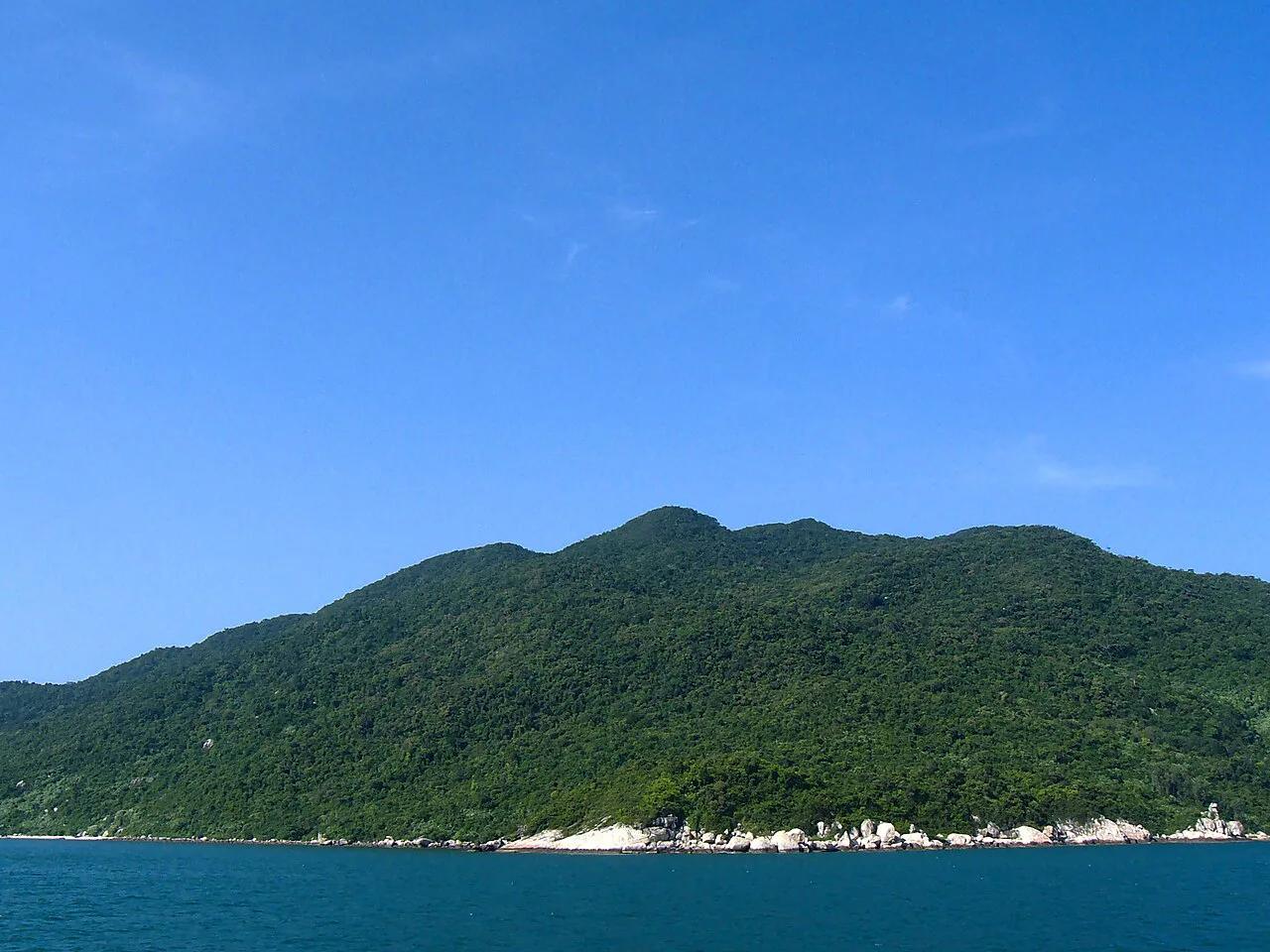
Last updated November 2026: cu Lao Cham, the Cham Islands, sits roughly 15–20 km off the Hoi An coast and runs on boats from Cua Dai Port. Most visitors treat it as a day trip, but one night lets you see the island after the last boats leave. Use this guide to choose between the two, budget in dong, and plan around the sea conditions.
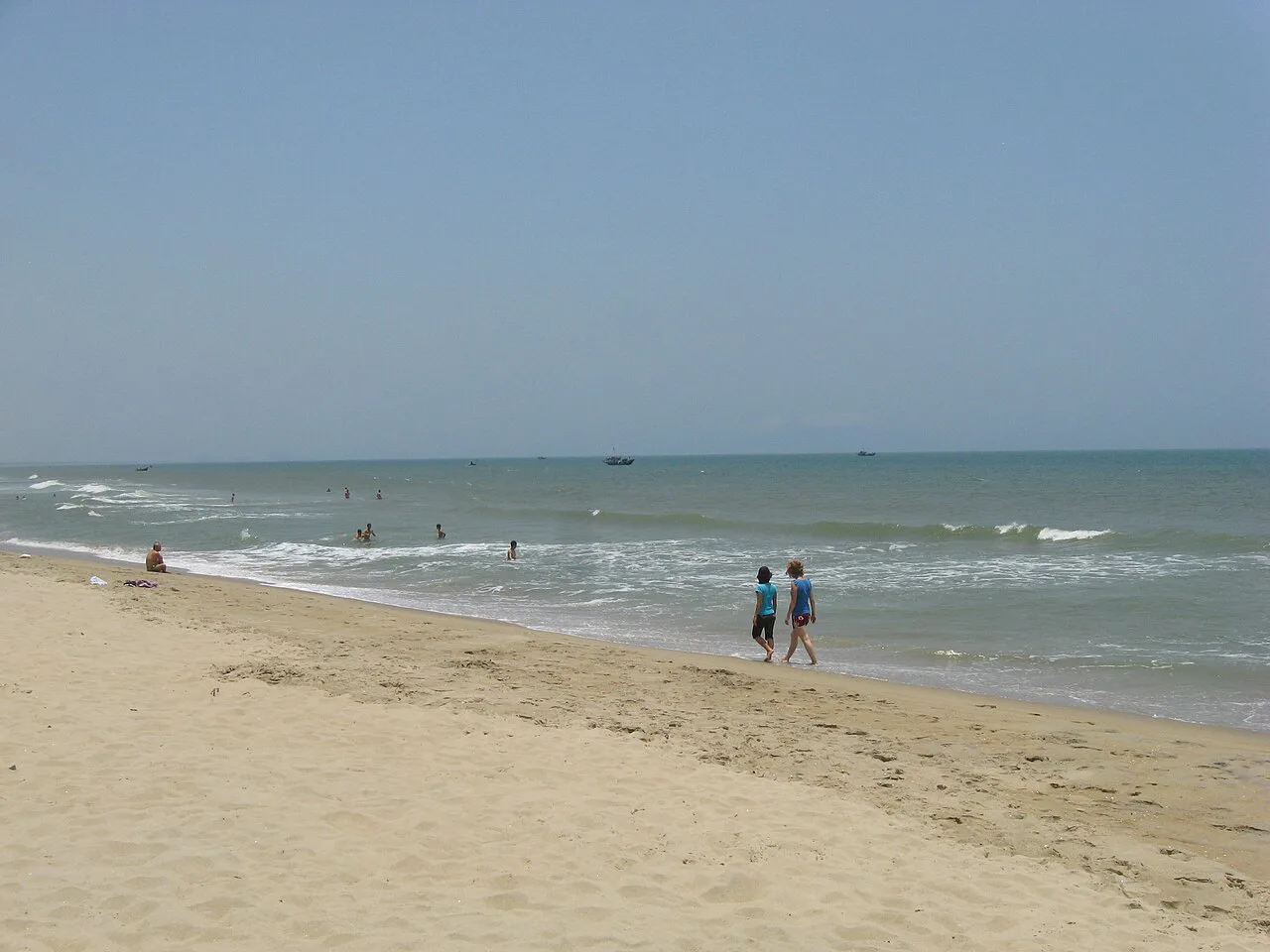
Featured image: Kok Leng Yeo, CC BY 2.0, via Wikimedia Commons.
Is Cu Lao Cham Worth It? Quick Answer
Yes, for most beach-minded visitors. Cu Lao Cham is a group of eight islands in Tan Hiep commune, protected as a UNESCO biosphere reserve. Snorkelers get the most from it, because the reefs near Bai Ong and Bai Xep sit inside the marine protected area. Culture-first travelers get Hai Tang Pagoda, Cham Well and a small marine museum. Families do well on calm-season days, since the wooden ferry rides steadier than a speedboat. Skip the trip if you arrive between October and February with no spare day, because rough seas can suspend boats. Skip it too if you have only a half-day in Hoi An, since the port buffer and crossing eat most of the morning. A mainland session at an easy day at An Bang fits that gap better.
Getting There: Cua Dai Port, Boats and Timing
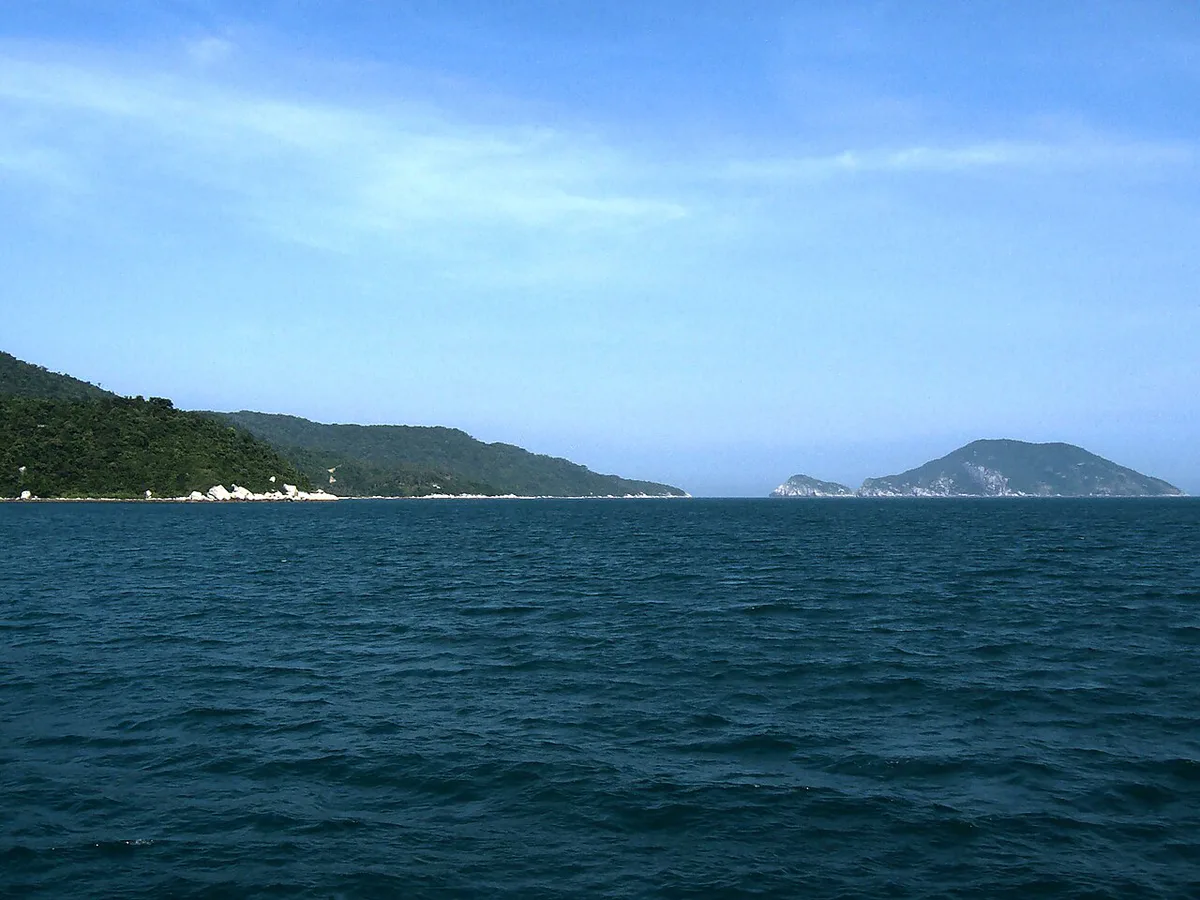
Boats leave from Cua Dai Port, the departure area described in our Cua Dai area guide. Crossing distance is roughly 15–20 km, and sources vary on the exact figure. Hoi An Ancient Town is 7–8 km from the port, about 15–20 minutes by taxi or motorbike. Arrive 30–45 minutes early for check-in. Morning departures run roughly 08:00–10:00, and tour boats often go before 08:30. Most boats land at Bai Lang, the main settlement. Prices and hours in this guide were checked November 2026. Return times are typical rather than fixed, so ask for yours when you buy.
| Boat type | Crossing time | Typical cost | Best for |
|---|---|---|---|
| Speedboat | 20–30 minutes | ₫250,000–₫350,000 round trip | Short on time; bumpy in rough seas |
| Wooden ferry | 60–75 minutes | About ₫100,000 each way | Slower, steadier ride |
Day Trip vs Overnight: Which Fits You

Pick the day trip if you want snorkeling and a seafood lunch. A typical day runs from a 08:00–09:00 departure to a return around 15:00. Choose one night if sunrise at Eo Gio or quiet evenings matter more than the Hoi An night market. Overnight guests see Bai Lang and Bai Huong once the day boats have gone.
Staying on Bai Huong skips the 15:00 return boat, though a homestay bed adds cost that a day trip avoids.
| Factor | Day trip | Overnight |
|---|---|---|
| Time on island | Departure 08:00–09:00, back around 15:00 | Afternoon, evening and next morning |
| Total cost | Boat, fees of ₫70,000–₫100,000, lunch, optional snorkel tour | Adds a homestay bed and dinner |
| Crowds | Busiest at Bai Ong around midday | Quiet after day boats leave |
| Weather risk | One cancellation costs your day | Return can slip if boats are suspended |
| You gain or lose | Back for the Hoi An night market | Island evenings, but no night market |
Costs, Tickets and What's Included
Budget ₫70,000–₫100,000 per person in island fees. One source lists about ₫20,000 for entry plus about ₫70,000 for the marine conservation fee. Another gives a combined ₫70,000–₫100,000. Either the port or your tour operator collects them. Boat tickets add ₫250,000–₫350,000 for a speedboat round trip, or about ₫100,000 each way on the wooden ferry. Confirm current fees on the Quang Nam tourism portal.
- Snorkeling tour with gear and guide: ₫400,000–₫600,000 per person
- Seafood dishes: roughly ₫50,000–₫200,000 each
- Cash: there are no ATMs on the island, and most vendors do not take cards
- Small bills: bring plenty for stalls, homestays and motorbike rental
Best Time to Go and Weather Risk
March–September is the calm season, with clear water and daily boats. From October to February, rough seas can limit or suspend services. Look at the forecast the day before you travel. Ask your operator how refunds and rebooking work if boats stop. Royal poinciana trees bloom around July–August along the beaches of Bai Lang, Bai Xep and Bai Huong. When the sea is rough, switch to mainland beach options around Hoi An. Ha My is another dry-land choice, covered in our Ha My shoreline notes.
| Months | Sea and visibility | Boats | Your plan |
|---|---|---|---|
| March–September | Mostly calm, good visibility | Run daily; book ahead in peak season | Snorkel and swim |
| October–February | Rainfall and rougher seas | Limited or suspended | Keep a mainland backup |

Best Things To Do
Hai Tang Pagoda was built in 1753 on the western hillside of Hon Lao. Locals visit before sailing, and the grounds stay quiet. Most sites cluster around Bai Lang and Bai Huong, and both villages can be walked in under an hour. Motorbikes are rented on the island if you want to reach farther beaches.
- Hai Tang Pagoda: forest and sea behind the main hall
- Cham Well (Gieng Xom Cam): laterite stone well still used for fresh water
- Eo Gio: cliff viewpoint on the eastern side of Hon Lao, popular at sunrise; bring water and grippy shoes
- Bird's nest ancestors temple: a short climb above Bai Huong
- Cham Island Marine Museum: free, near the port, under 15 minutes inside
- Whale Temple (Lang Ong): small shrine near Bai Lang Pier
- Snorkeling: reefs off Bai Xep and Bai Ong
Beaches Compared
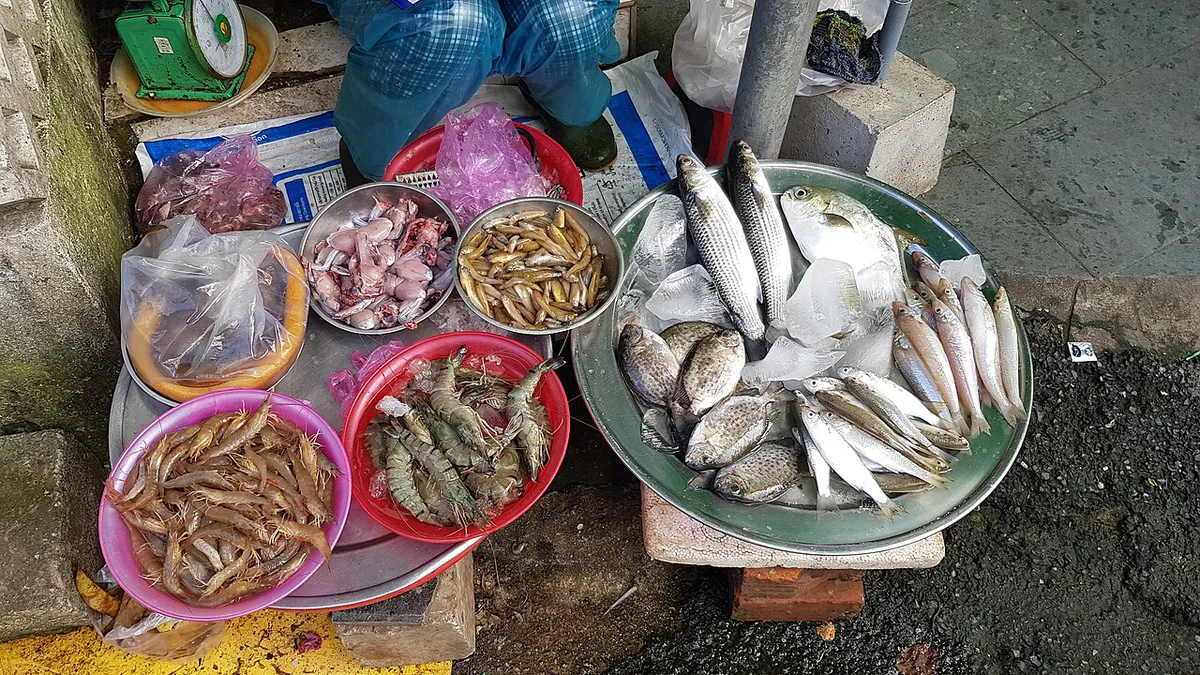
Bai Ong suits day-trippers because it sits closest to the pier. Bai Huong suits overnight guests. Bai Xep rewards anyone who packs their own water and snacks, since no shops stand nearby. Pair the island with a mainland session when you want a second beach style.
| Beach | Vibe | Facilities | Snorkeling | Suits |
|---|---|---|---|---|
| Bai Ong | White sand, shallow water, busy midday | Seafood restaurants on the shore | Main start for snorkel tours | Day-trippers |
| Bai Chong | Wider, quieter, ringed by green hills | Cafes with loungers and kayaks | Inside the marine protected area | Relaxed swimmers |
| Bai Xep | Soft sand, natural feel | A few shade huts, no shops | Named reef spot | Quiet seekers, campers |
| Bai Huong | Calm water, fishing village | Homestays and simple lunches | Coral nearby | Overnight guests |
| Bai Lang | Pier beach with local life | Cafes and seafood stalls | Not ideal for swimming | Short stops |
Sample Itineraries
Times below are typical, and your operator sets the real schedule. Both plans assume a calm-season day.
- Day trip, 07:15: leave Hoi An for Cua Dai Port, allowing 15–20 minutes plus a 30–45 minute check-in buffer.
- Day trip, around 08:30: take the speedboat to Bai Lang, 20–30 minutes.
- Day trip, morning: snorkel off Bai Ong or Bai Xep.
- Day trip, midday: eat seafood near Bai Lang Pier, then visit Hai Tang Pagoda or the museum.
- Day trip, around 15:00: board the boat back and reach Hoi An for the night market.
- Overnight, day one: cross in the morning, snorkel, then settle into a Bai Huong homestay.
- Overnight, evening: eat locally and watch the island quiet down after day boats leave.
- Overnight, day two: walk to Eo Gio for sunrise, visit Cham Well, then take a morning boat back.
Where To Stay and Eat
Overnight options are homestays in Bai Huong and Bai Lang, plus beach camping at spots such as Bai Xep. Homestays line Bai Huong's beach and serve simple seafood lunches. Ask any host about meals, bedding and boat-day pickups before you book. For food, head to the Tan Hiep market area by Bai Lang Pier. Fresh seafood there runs roughly ₫80,000–₫200,000 per dish. Stone crab, sea snails and grilled fish are the local picks. Seafood is sold by weight, so ask the price per kilo before anything is cooked.
- Choose a homestay within walking distance of the beach you want
- Confirm whether meals are included
- Ask who handles your boat ticket back
- Ask about camping rules before pitching a tent
Respecting the Reserve and Practical Tips
The Cham Islands are a UNESCO biosphere reserve, and the marine conservation fee exists for it. Take your trash back to the mainland and avoid single-use plastic. Use reef-safe sunscreen and never stand on coral. Wear a life jacket for snorkeling. Hoi An's visitor office, Hoi An city tourism, is the place to check current local advisories. Download offline maps before boarding, in case signal is patchy.
- Cash in small bills
- Reef-safe sunscreen and a hat
- Water shoes and drinking water
- A dry bag for phone and wallet
Booking Yourself vs a Tour
Buying a boat ticket yourself gives you flexibility on timing and beaches. A tour typically bundles the boat, snorkel gear, a guide and lunch. A low headline price can leave out the ₫70,000–₫100,000 in fees. Compare any offer with the ₫400,000–₫600,000 snorkeling-tour range before paying.
Fees of ₫70,000–₫100,000 apply on any route, so compare the wooden ferry's about ₫100,000 each way with that total.
- Does the price include island and marine fees?
- What time does the return boat leave, and what happens if it is suspended?
- Are lunch, gear and a guide included?
- How large is the group?
- Mistake to avoid: arriving after the morning departure window
- Mistake to avoid: travelling in rough-sea months without a backup plan
Frequently Asked Questions
How do I get to Cham Island from Da Nang?
Take a car or taxi from Da Nang to Hoi An, which takes about 45 minutes. Continue to Cua Dai Port for the boat. Many Da Nang agencies sell combined transfer and island packages.
Useful notes for your Vietnam trip
Optional updates to our guides.
You might also like

Continue reading
More guides you'll find useful