Can Gio Mangrove Forest: Day Trip Guide from HCMC
How to visit Can Gio Mangrove Forest from HCMC: getting there, what to see, costs, timing, and how to avoid the monkey-show traps.
On this page
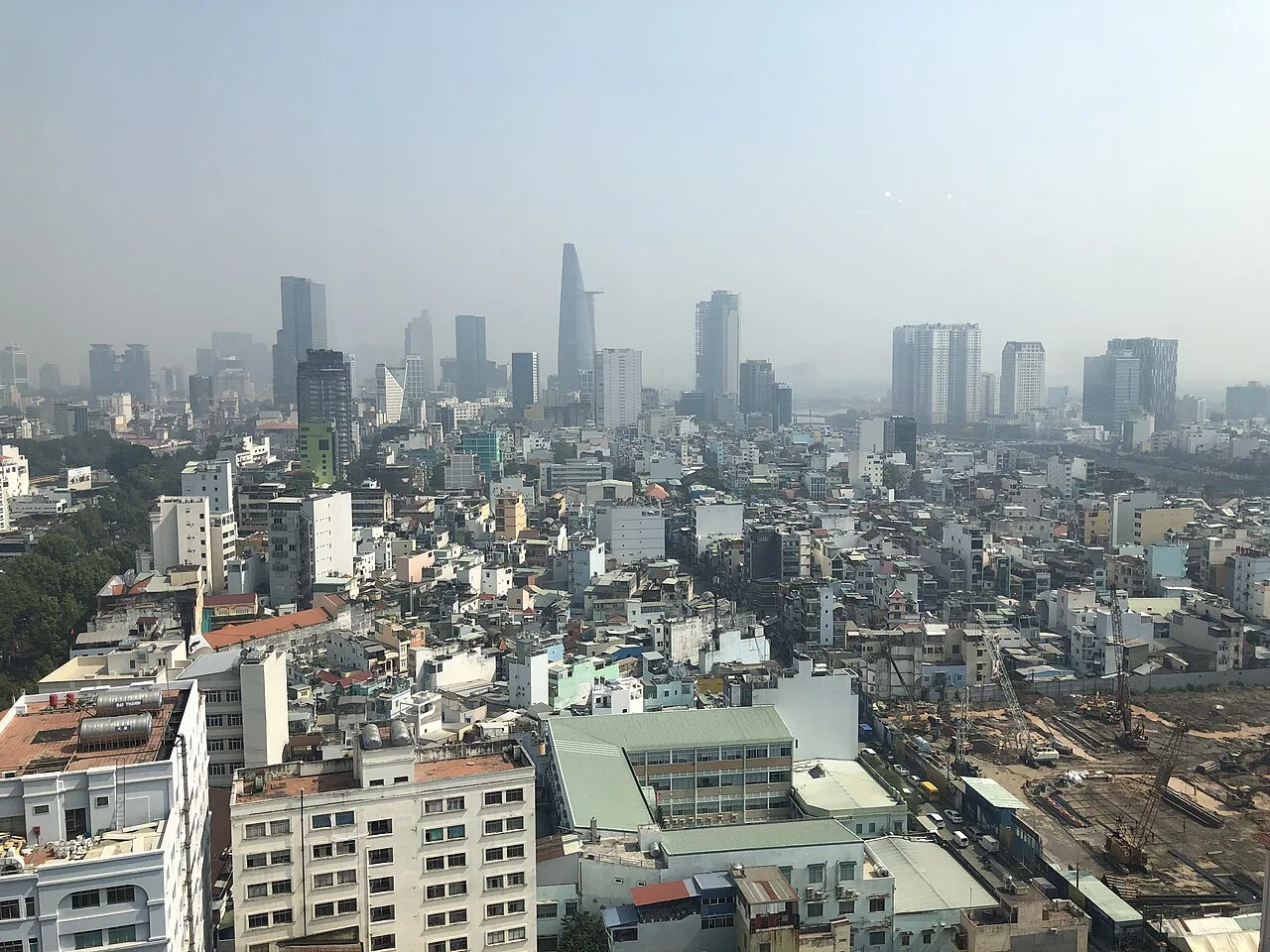
Last updated November 2026: Can Gio Mangrove Forest is a UNESCO biosphere reserve south-east of Ho Chi Minh City, and most visitors reach it as a day trip by road plus ferry or on a guided tour. It suits travelers who want tidal creeks, macaques and birds, and who accept mud, heat and no white-sand beach. Use this guide to pick a route, budget your hours and skip the animal shows, then compare it with other 5 Best Day Trips From Ho Chi Minh City and How to Choose.
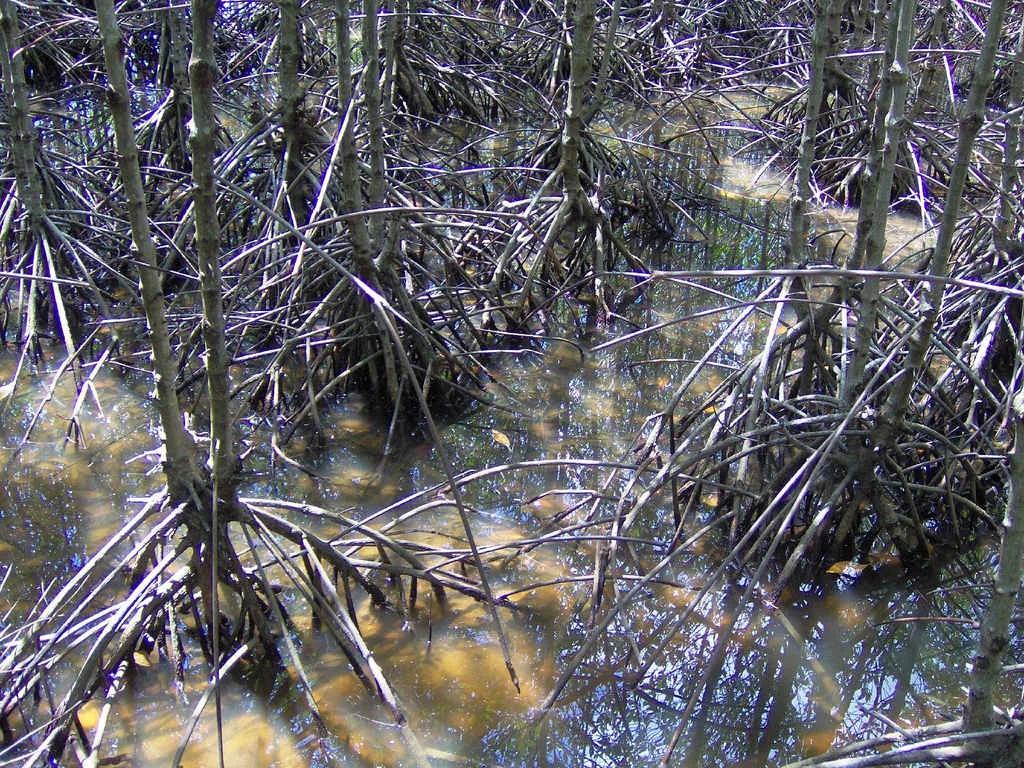
Featured image: Tho nau, CC BY-SA 3.0, via Wikimedia Commons.
Can Gio Mangrove Forest at a Glance
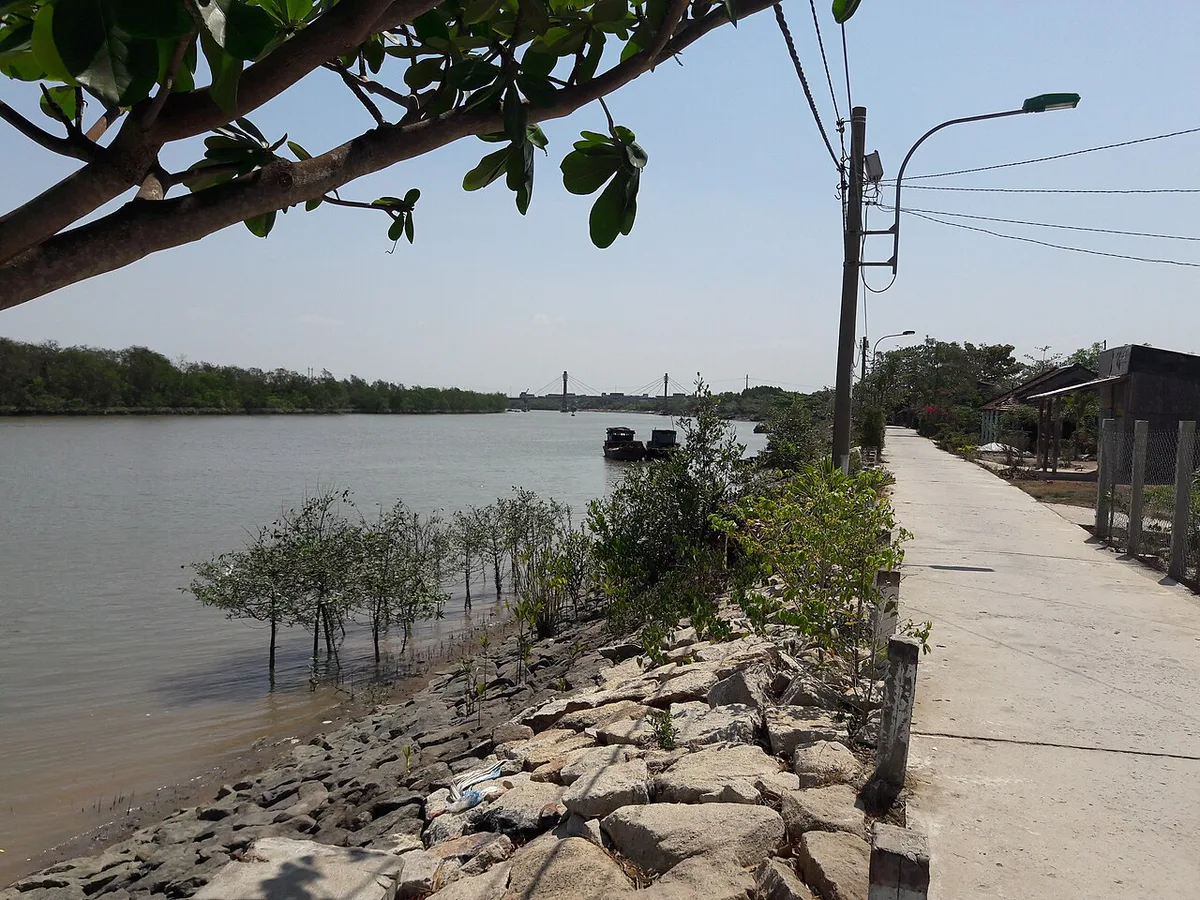
Can Gio is a Biosphere Reserve, not a World Heritage Site. UNESCO recognized it in 2000, and its recorded area is 75,740 hectares. Central Ho Chi Minh City sits roughly 40 km away, and the road normally includes the Binh Khanh ferry crossing. Mangroves, mudflats, salt marshes and tidal rivers make up the landscape. Reported fauna includes more than 200 species of animals and 52 species of plants, so treat those counts as approximate.
Roughly 40 km from central Ho Chi Minh City, the trip stretches on weekends, so leave before the morning rush.
- Best for: nature lovers, photographers, families with older children
- Time needed: a full day, with a typical private tour running 8 hours
- Not for: beach days or travelers who want guaranteed wildlife
- Default plan: return to Ho Chi Minh City the same evening
Is Can Gio Worth a Day from Ho Chi Minh City?
Yes, if you want water, wildlife and quiet after the city. Traffic thins, apartment blocks give way to palms, and the creeks turn brown with the tide. Skip it if you want a swimming beach or dramatic scenery. Wildlife sightings are never guaranteed, and the landscape is muddy by nature. Travelers drawn to war history will get more from the Cu Chi Tunnels Guide: Ben Dinh vs Ben Duoc. Those who want canals and orchards should look at a Mekong Delta Day Trip from Saigon: Best Routes & Tips instead.
How to Get to Can Gio
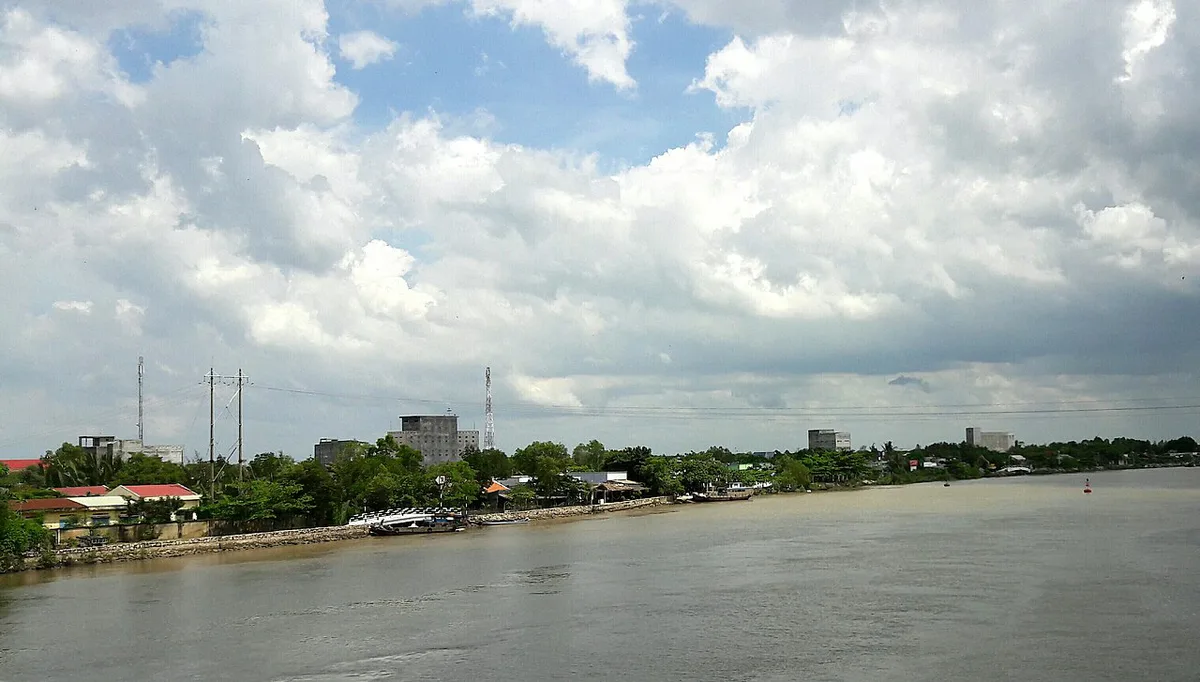
All routes head south-east from the city and most cross the Binh Khanh ferry. Ferry operation and vehicle rules can change, so ask your driver or operator which crossing they use. Door-to-door times depend heavily on traffic, and weekends are slower. A private tour is the least effort. A group tour costs less but follows a fixed schedule. Self-drive or motorbike gives freedom, but you handle the ferry queue and navigation.
| Option | Flexibility | Cost level | Trade-off |
|---|---|---|---|
| Private tour | High | Highest | Hotel pickup, guide, air-conditioned car |
| Group tour | Low | Medium | Fixed stops, less time per site |
| Self-drive or motorbike | Highest | Lowest transport cost | Ferry queues, navigation, sun and rain exposure |
| Public transport | Medium | Low | Multiple transfers; ask local staff for current routes |
Best Things to Do in Can Gio
Pick stops by traveler type rather than trying to see everything. Monkey Island is the best-known stop. Vam Sat Eco Park offers mangrove walks, bird-watching and a crocodile area. Local boat rides run through the tidal creeks. Bat and bird areas appear on some itineraries, so ask which are included.
| Stop | Best for | Caveat |
|---|---|---|
| Monkey Island | Families, photographers | Wild macaques snatch food and loose items |
| Vam Sat Eco Park | Birders, walkers | Mud, heat and tide-dependent conditions |
| Mangrove boat ride | Anyone short on energy | Routes can change with the tide |
| Bat and bird areas | Wildlife watchers | Sightings are never guaranteed |
Visiting Monkey Island and Wildlife Ethically
The macaques on Monkey Island are wild but used to people. Put sunglasses, hats, snacks, phones and plastic bags away before you approach. Never feed or touch them, and keep your distance. If a monkey takes something, move away calmly and ask a guide or ranger for help. Separately, National Geographic reported in April 2017 that captive macaques were made to perform circus tricks inside the reserve. Animals Asia condemned the shows, and UNESCO's Vietnam office called them a violation of bio-ethics. Current status is unclear to us. Ask your operator in advance, and do not buy tickets for any animal performance.
How to Plan Your Day
Start early, because heat builds fast on the water and paths. An 8-hour private tour fits the ferry, Vam Sat Eco Park, a mangrove walk and Monkey Island with a lunch break. A self-guided day needs a similar window. Leave the city before the morning rush if you can. Aim to be at the wildlife stops while it is cooler. Tides shape the boat and walking experience, so ask locally before you fix the order of stops.
- Mistake: carrying food or loose items near macaques
- Mistake: booking a tour that includes animal shows
- Mistake: pairing Can Gio with Cu Chi in the same day
- Mistake: ignoring the tide when picking boat or walking times
Costs, Tickets and Opening Hours
Budget around six items: transport, entrance fees, boat, guide, food and tips. One private tour listing for 8 hours includes entrance fees, hotel pickup, an air-conditioned vehicle, bottled water and an English-speaking guide. That listing offers a full refund when you cancel at least 24 hours ahead. Current entrance fees and hours are not confirmed here. Check the Ho Chi Minh City Department of Tourism or ask the site directly. Prices and hours checked November 2026.
Plan for the 8-hour private tour window, since its listing offers a full refund when you cancel at least 24 hours ahead.
| Cost item | Private tour | Self-guided day |
|---|---|---|
| Transport | Bundled | Highest variable: fuel, ferry, parking or taxi |
| Entrance fees | Usually included | Paid at each site |
| Boat and guide | Included or extra | Pay on the spot |
| Food and tips | Extra | Extra |
Best Time to Visit
Mornings are cooler and calmer, and weekdays are easier than weekends. Can Gio is hot and humid year-round, and muddy after rain. Tides change boat routes and what you see on the mudflats. Local operators can tell you the tide table for your date. Wear light clothing, shoes with grip, sun protection and insect repellent, and carry water in a reusable bottle.
Where to Stay and Eat
A day trip is the default, and Ho Chi Minh City has far more lodging. Overnight options near Can Gio exist, but they are not verified here. Eat lunch with your tour or at a local restaurant near your last stop. Ask your guide for seafood places they use regularly.
Why Can Gio Matters
Large areas of the Rung Sac mangroves were damaged by warfare and defoliants in the 20th century. Replanting and protection have since brought the forest back, and UNESCO recognized the reserve in 2000. Mangroves slow waves, trap sediment and shelter young fish, crabs and shrimp. Their soils also store carbon. Locals call the area the green lungs of Ho Chi Minh City, a symbolic phrase but a fair one. Nearby communities depend on fishing, aquaculture and tourism.
How to Visit Responsibly
Stay on marked paths and carry your waste out. Avoid plastic bottles and bags where you can. Keep noise low near birds. Choose locally run operators that offer no animal shows. Spending on local guides, boat drivers and restaurants keeps the benefit in the district. Official visitor information is also available from Vietnam's national tourism site.
Combine With Other Day Trips
Do not stack Can Gio with another excursion in the same day. Cu Chi and the Mekong Delta lie in different directions from Can Gio, so one day would be mostly in transit. Choose Can Gio for mangroves and wildlife, Cu Chi for history and the Mekong for river life. The Cao Dai Temple Tay Ninh: Day Trip from Ho Chi Minh City suits a separate cultural day. Browse the full day trip guide to compare options.
Useful notes for your Vietnam trip
Optional updates to our guides.
You might also like


Continue reading
More guides you'll find useful