
Hon Chong (Hòn Chồng) Nha Trang: How to Visit the Rock Promontory

Hon Chong is a short stop in Nha Trang rather than a half-day outing: budget roughly 45 to 90 minutes for the granite boulders, the bay view and the small assembly hall on the slope above them. It rewards anyone who wants a coastal view and a story about a giant's handprint more than anyone hunting a swimming beach. This guide covers where the promontory sits, how to reach it from the Tran Phu waterfront, what to look at once you are there, and how hours and tickets are handled.
Treat the site as two pieces. The first is the rock cluster itself, at the foot of La San Hill in Vinh Phuoc Ward in the northeast of the city. The second is Hoi Quan Hon Chong, a communal house set on the slope you walk down to reach the rocks. Planning for both, even briefly, is what separates a satisfying visit from a five-minute photo stop you barely remember.
What Hon Chong actually is
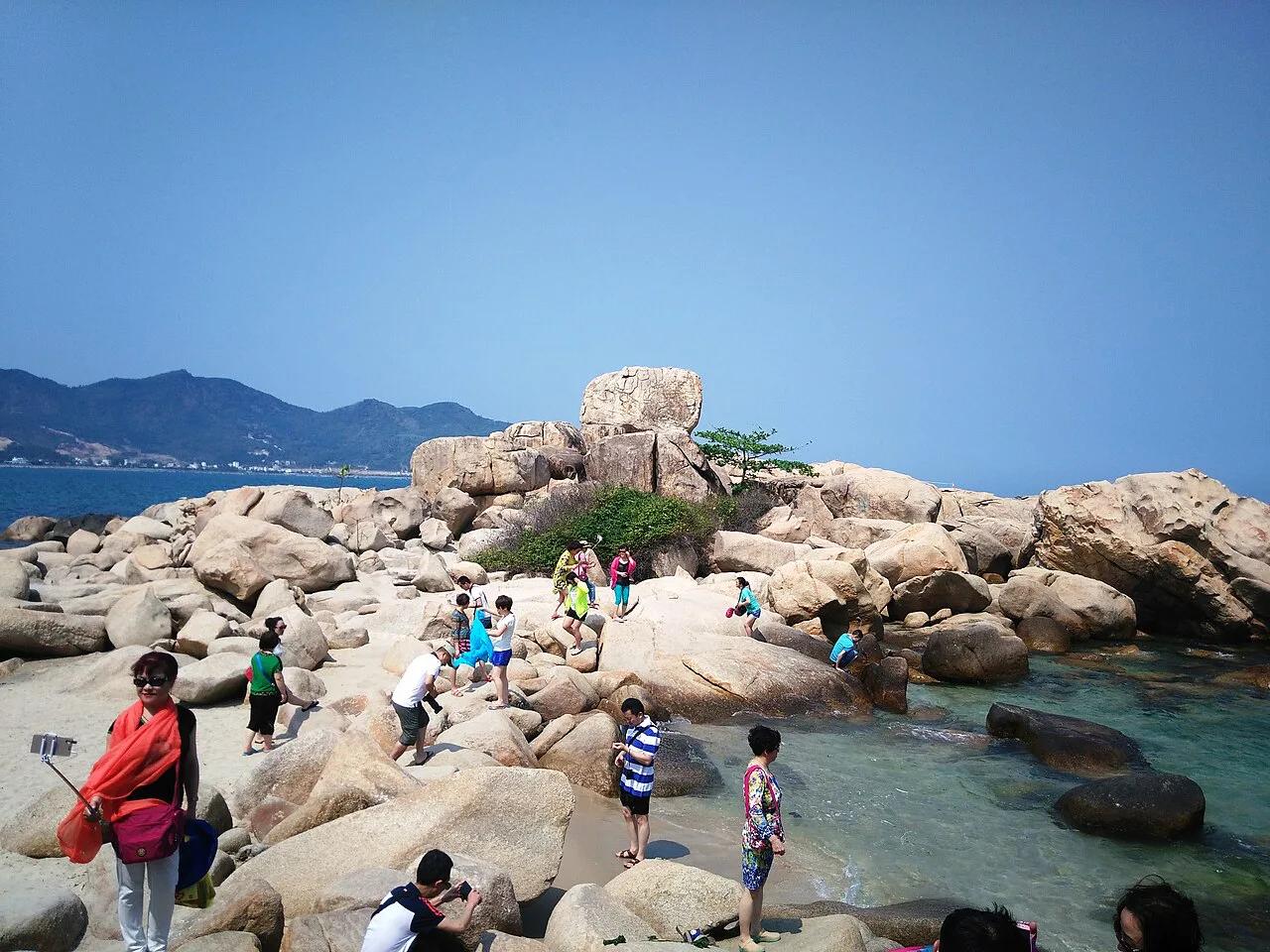
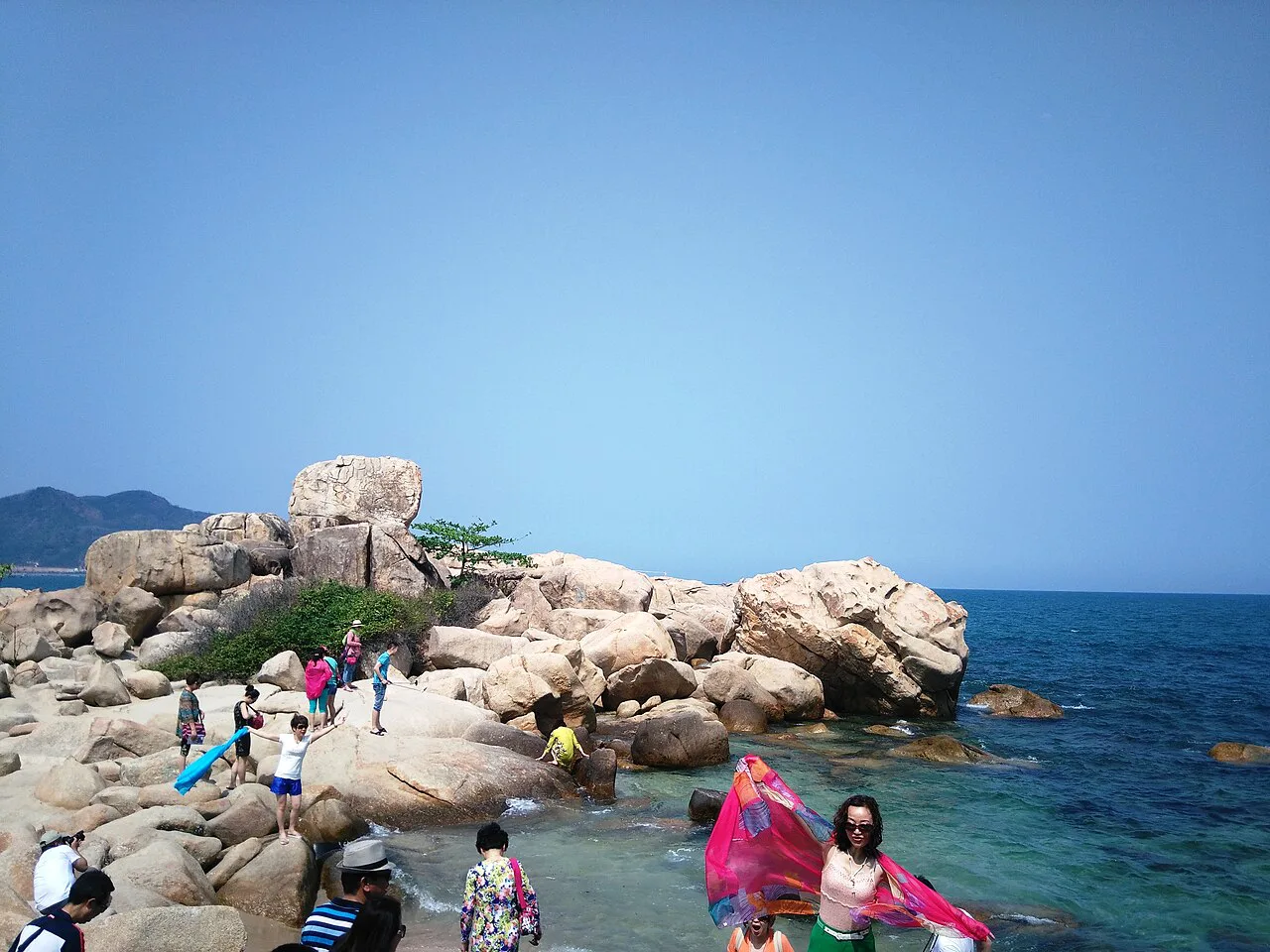
Hon Chong is a cluster of large granite boulders piled at the water's edge, not an island and not a sandy beach. Vietnamese-language travel sources describe the blocks as weathered into odd shapes over a long period, with the largest carrying a mark said to resemble a giant handprint. The name is usually rendered as Hon Chong Promontory in English, and you will see it spelled Hòn Chồng on local signs.
DonaTourist, a Vietnamese tour operator's blog, describes the site as having been ranked a national relic in 1998; that heritage designation is not confirmed by an official state source in the material reviewed here, so treat it as the operator's account rather than a verified fact. Even so, a formal designation would help explain why a modest set of rocks draws tour buses and why there is an entrance rather than open shoreline. If the designation matters to your planning, treat it as background rather than a reason to extend your visit.

Where Hon Chong sits in Nha Trang
Vietnamese travel sources place Hon Chong in Vinh Phuoc Ward, in the northeast of Nha Trang, at the base of La San Hill. They put it roughly 3 km from the Tran Phu waterfront area, reached by heading north along Pham Van Dong. Use that road name when you check a map, because Nha Trang's coastal road changes name as it runs north and drivers may not recognize a generic beach address.
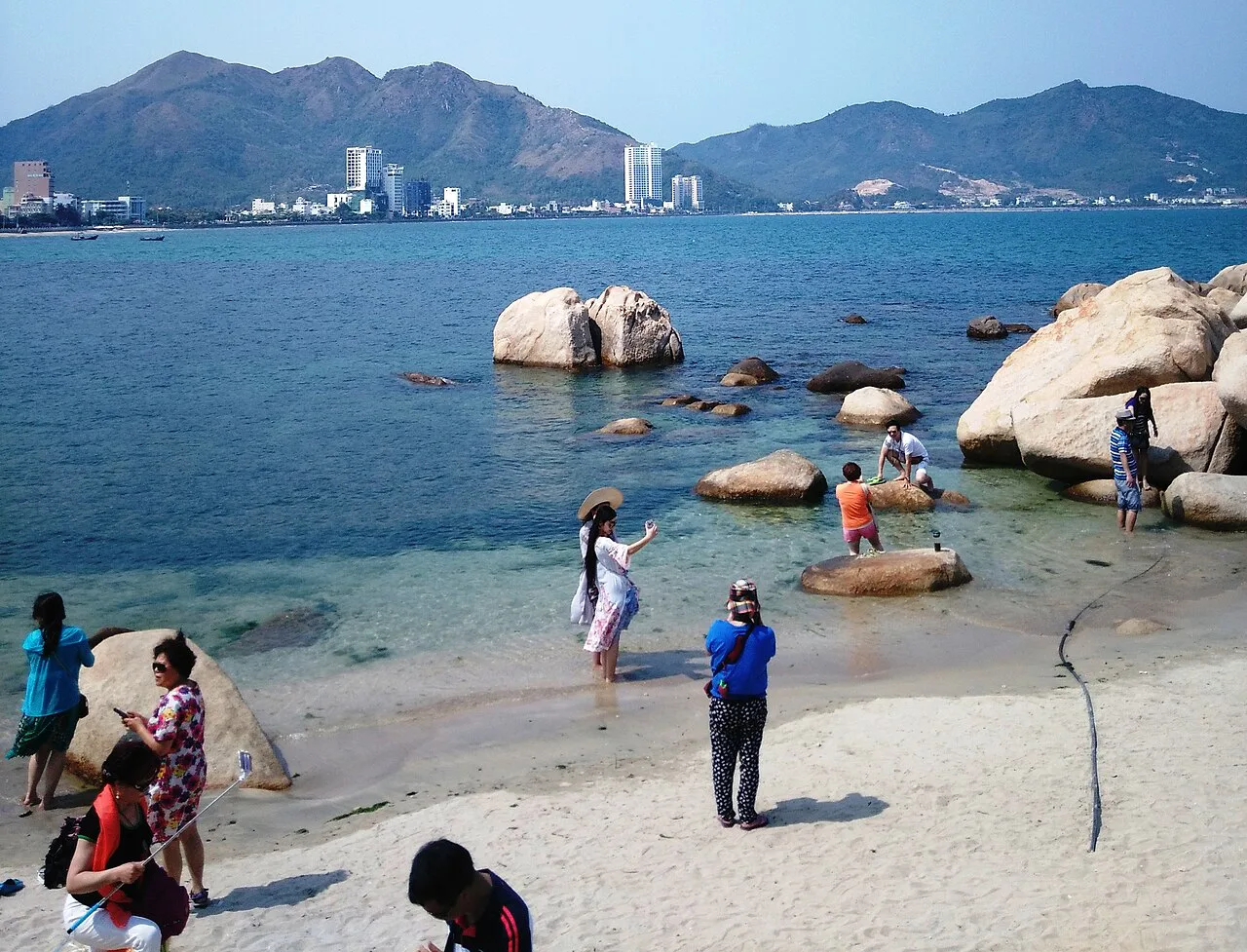
Because the site faces the open bay rather than the sheltered city beach, the setting feels different from the Tran Phu strip: fewer loungers, more rock, and a view that opens toward the islands. If you are staying downtown, Hon Chong is close enough to combine with a northern loop of the city rather than a separate expedition. Allow for the fact that you will be walking on uneven stone, not pavement.

How to get to Hon Chong
The simplest approach from the center is a taxi or ride-hailing car north along Pham Van Dong, which drops you near the entrance rather than on the waterfront. Riding a rented motorbike works too, but confirm parking with your rental shop before you set out. Vietnam Airlines' destination guide covers the access route and the surrounding area in more detail if you want to plan the drive yourself.
You can also fold Hon Chong into a walking or cycling morning from the northern end of the beach road, but the last stretch has traffic and limited shade, so most visitors arrive by vehicle. Ask your driver to wait or arrange a pickup, because the entrance area is not a busy taxi rank in the way the city center is. That one decision saves you a hot walk back to the main road.
Opening hours and ticket price: what to check
Vietnamese travel write-ups discuss both opening hours and an admission charge, but they are marketing pages rather than the operator's own notice, and they are updated irregularly. Rather than lock a figure into your plan, check the gate's posted price when you arrive and ask your hotel to confirm current hours the day before. The Vietnam Airlines guide is a reasonable starting point for current visitor information before you travel.
Ticket amounts and daily opening times are the two facts most likely to have changed since any article was written, so verify them with the site or the Khanh Hoa tourism authority close to your visit. Carry small notes in Vietnamese dong for the gate, since change for large bills is not guaranteed at a small attraction. If a price is quoted to you in dollars, ask for the dong figure and keep the receipt.
The main boulder and the handprint story
The centerpiece is the largest rock, the one said to bear a hand-shaped impression on its surface. Local legend explains the mark as the hand of a giant who put a palm down to steady himself after slipping, which is why the site is so often photographed at that exact spot. You are looking at weathered granite, but the story is what visitors queue for, so expect a short wait for a clear view.
Smaller boulders around it are stacked in ways that invite climbing and posing, and the paths between them are narrow in places. Keep an eye on children, since there are gaps between blocks and no railing on every edge. The legend is the fun part; the rock itself is the reason to wear proper shoes.
The view over Vinh Nha Trang bay
From the upper rocks you look out over Vinh Nha Trang bay, with Hon Tre and Hon Do visible offshore and Mount Co Tien on the horizon. A Vietnamese television feature on the site describes exactly that panorama, with the islands and the mountain softened by haze. Bring a phone with a wide lens or a camera you can brace on stone, because the best angles are low and close to the rock.
Light matters more here than at most city sights. Early morning gives you softer color and far fewer people, while late afternoon brings warm light and, closer to sunset, a crowd of photographers and tour groups. If you want the rocks to yourself in a photo, arrive early rather than fighting for the edge at sunset.
Hoi Quan Hon Chong on the slope
Hoi Quan Hon Chong sits on the slope between La San Hill and the boulders, built in a Hue-style communal house design with tiled roofs and timber beams. Inside, displays cover Hon Chong and other landmarks of Khanh Hoa, and Vietnamese sources note performances of traditional instruments on site. It is small, so fifteen or twenty minutes is usually enough unless a performance is underway.
Many visitors walk straight past it toward the rocks, which is a mistake if you want context for what you are photographing. Step in on the way down rather than on the way back up, when the climb in the heat is less appealing. Check at the entrance whether a performance is scheduled that day, since the schedule is not fixed in any source.
The tunnel and the stairways over the rocks
Vietnam Airlines' guide mentions an underground tunnel as one of the experiences at the site, alongside the stairways that carry you over and between the boulders. Do not expect a long cave walk: it is a short diversion, and the steps are the real test. Wear shoes with grip, because polished granite and sand make the descents slippery.
There is genuine scrambling involved if you want the best vantage points, including short flights of steps with uneven treads. Skip the outermost rocks if you are unsteady on your feet, traveling with a stroller, or visiting in wet weather. A walking video of the site gives a fair sense of the layout and the step count before you commit.
How long to allow
Plan on 45 to 90 minutes: about half an hour for the boulders and the view, fifteen to twenty minutes for Hoi Quan, and the rest for the stairs and a drink. Add time if you stop at a cafe near the entrance, which is a pleasant way to wait out the midday heat. Anything beyond two hours here means you are lingering rather than sightseeing.
Swimming and fishing: treat it as a viewpoint
Some Vietnamese write-ups describe swimming and fishing off the rocks, and you will see locals with lines. That does not make it a beach: there is no sand, the entry is over stone, and the water deepens quickly. If you want a proper swim, use the city beach instead and come here for the view.
Fishing off the boulders is a local pastime more than an activity organized for visitors, so do not count on rental gear or a guide. Watching the water from the top of the rocks is the safer version of the experience, and it is what most photographs at Hon Chong actually show.
Practical cautions before you go
Sun exposure is the main discomfort: the upper rocks have almost no shade, and the stone radiates heat by mid-morning. Bring water, a hat and sunscreen, and save the climb for early or late in the day. Slippery granite after rain is the other real risk, so give the wet steps a miss.
Sunset is the busiest window, with tour groups arriving in waves for the light. If crowds bother you, choose a weekday morning and accept flatter light in exchange for space. Keep bags zipped on the narrow sections, since the paths between boulders are tight and easy to bottleneck.
What to pair with Hon Chong
Hon Chong sits in the northern part of the city, so it pairs naturally with other north-side stops rather than with the central beach. Thap Ba Ponagar and the surrounding northern beach strip are the usual additions for a half-day loop. If you are building a wider sightseeing list, our guide to things to do in Nha Trang helps you slot the rocks into a sensible day.
For a different kind of city sighting, Nha Trang Cathedral (Nhà thờ Núi) sits on its own hill closer to the center and is easy to combine with a morning that ends at Hon Chong. Long Son Pagoda in Nha Trang is another short stop that fits a similar loop. Both are indoor or shaded visits, which balances a hot, exposed hour on the rocks.
If your interests run to collections rather than viewpoints, the National Oceanographic Museum of Vietnam in Nha Trang and the Alexandre Yersin Museum in Nha Trang are both worthwhile indoor alternatives for a rainy or overheated afternoon. Neither is next door to Hon Chong, so plan transport rather than walking between them.
Is Hon Chong worth the detour?
Yes, if you want a coastal view, a story and a thirty-minute photo stop rather than a beach day. Come early or late, wear shoes with grip, and step into Hoi Quan on the way down. Check current hours and the gate price before you set out, then decide on the day whether the light is worth the trip north.
Sources
- Vietnam Airlines | Hòn Chồng Nha Trang – Thắng cảnh Thiên nhiên giữa lòng phố biển
- Hòn Chồng Nha Trang - Hòn đảo thơ mộng, đẹp đến nao lòng
- 𝐌𝐨̣̂𝐭 𝐧𝐠𝐚̀𝐲 𝐭𝐚̣𝐢 𝐇𝐨̀𝐧 𝐂𝐡𝐨̂̀𝐧𝐠 𝐍𝐡𝐚 𝐓𝐫𝐚𝐧𝐠 Hòn Chồng Nha Trang nổi lên như một biểu tượng của vẻ đẹp tự nhiên, một điểm đến không thể bỏ qua khi ghé thăm thành phố biển xinh đẹp này. Với những khối đá lớn xếp chồng lên nhau một cách kỳ lạ, Hòn Chồng Mang đến một khung cảnh vừa hùng vĩ, vừa thơ mộng, là
- Hon Chong Nha Trang Sightseeing Guide