Hue Homestays: How to Choose the Right Area and Stay
Choosing a Hue homestay? Compare areas, access and cost trade-offs, see who should pick a hotel instead, and learn how to vet a small host.
On this page
Last updated November 2026. Hue homestays are family-run guesthouses, small boutique stays and apartment-style rooms, usually down a lane rather than on a main road. They suit travelers who want a host, a kitchen or a garden and who can handle a short walk with luggage. Hotel guests who want a lobby, a lift and a front desk at midnight should read the comparison below first.
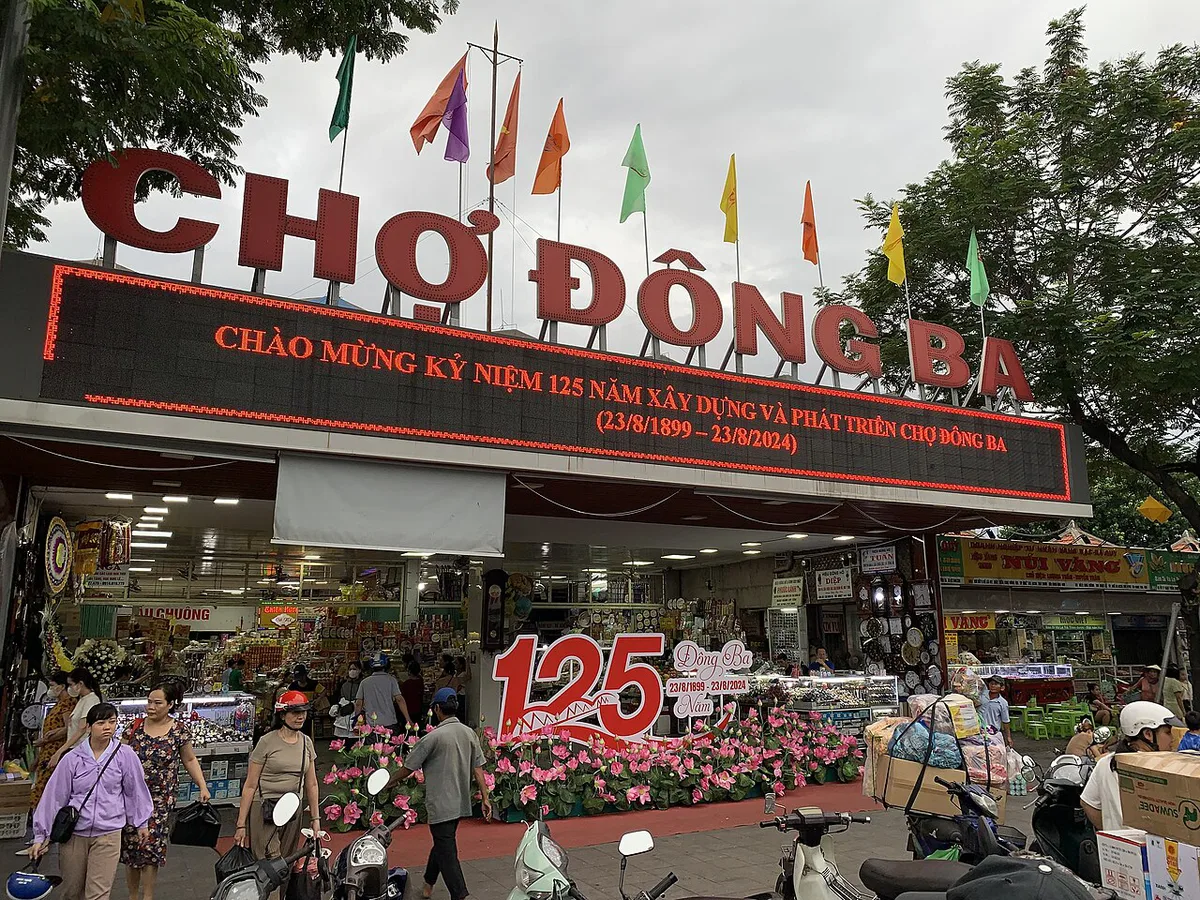
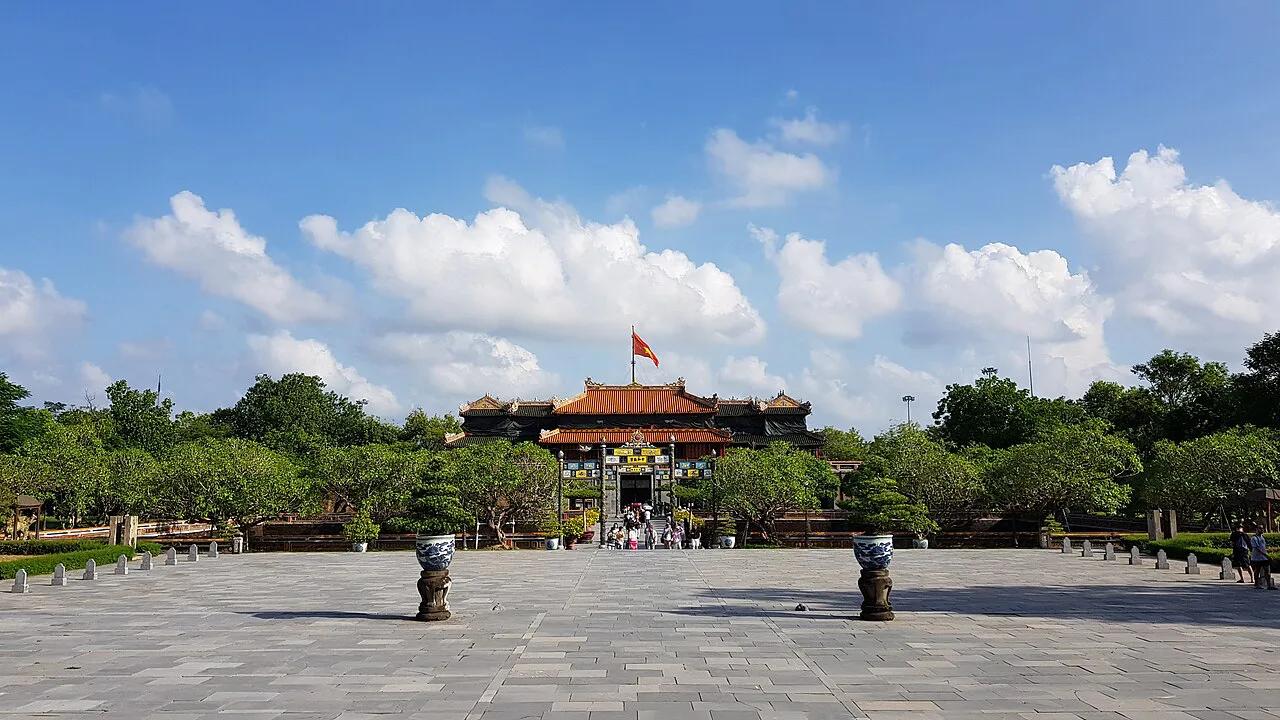
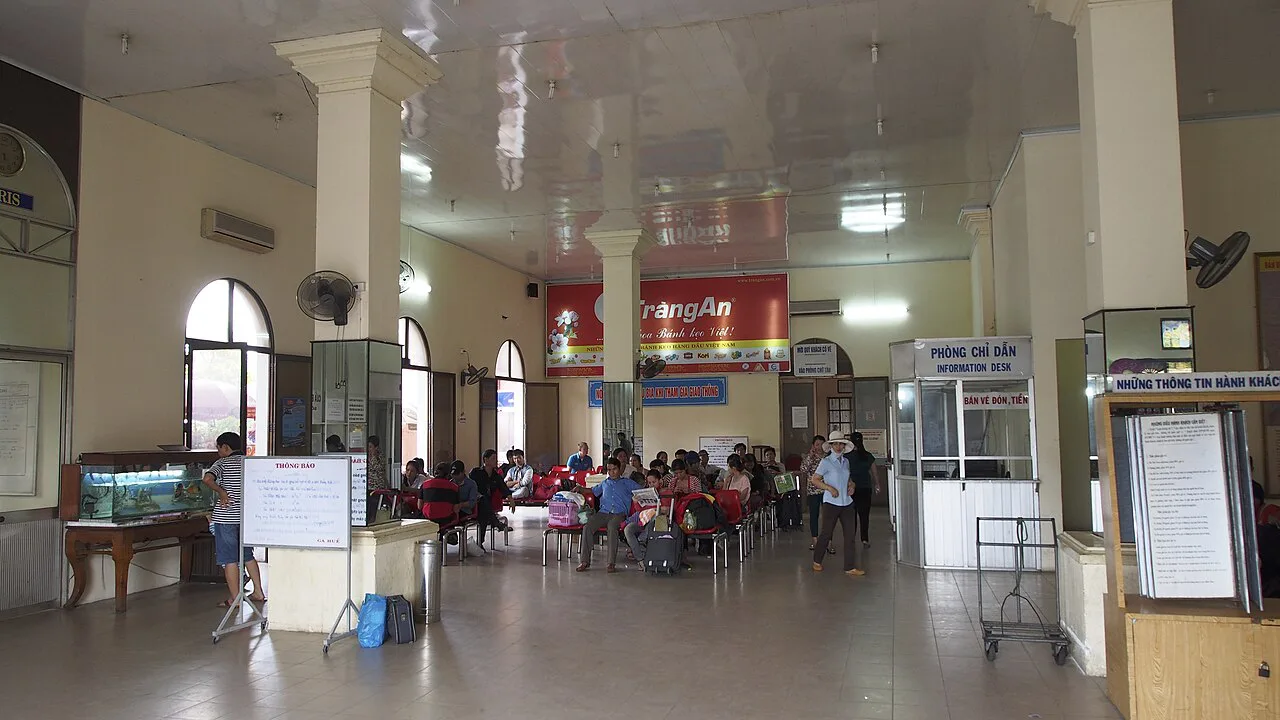
Featured image: Christophe95, CC BY-SA 4.0, via Wikimedia Commons.
What a Hue Homestay Is, and Who It Suits
In Hue, "homestay" covers three different things. Some are rooms in a host family's house. Others are small guesthouses with six to ten rooms and a shared kitchen. A third group are hostel-style places that call themselves homestays and sell dorm beds. Our guide to Where to Stay in Hue: 8 Best Hotels by Area and Traveler compares every accommodation type side by side. Homestays fit couples, solo travelers and families who value a host's local tips over hotel services. They also suit longer stays, where a kitchen and laundry matter more than a pool. Expect a quieter, more personal stay and fewer on-site facilities.
Hue Homestays vs Hotel vs Hostel vs Resort
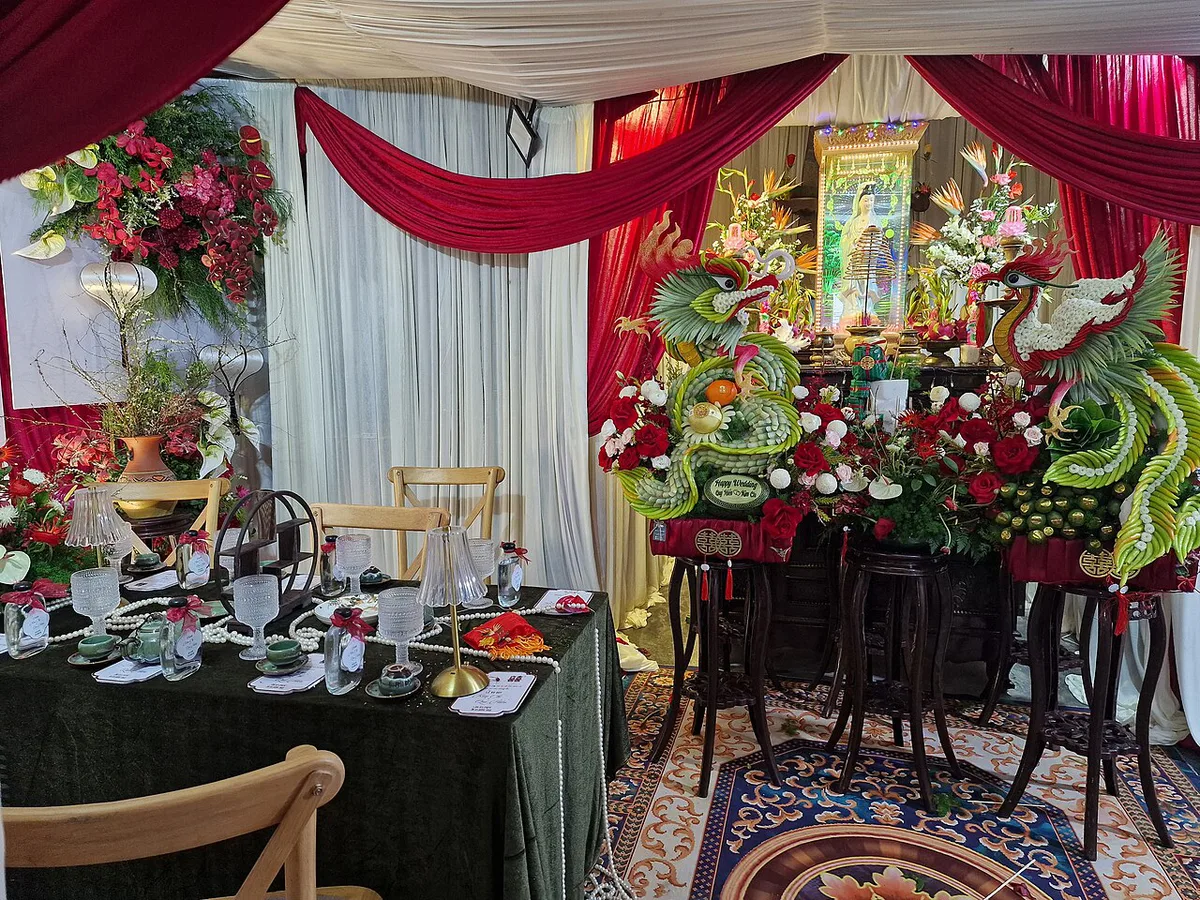
Each stay type trades service against character and cost. A hotel gives you a 24-hour desk and predictable standards. A homestay gives you a host who knows which lane is flooded and which cafe opens early. Dorm beds sit at the bottom of the price range. Readers who want river views and more service should look at Perfume River hotels. Those who want a quiet, fuller-service base can compare Hue Resorts: Riverside, Spa & Garden Stays Compared. Budget travelers should note that many hostel-style places are listed as homestays, so read our hostel roundup to tell them apart.
| Traveler type | Best-fit stay | Main trade-off |
|---|---|---|
| Solo budget | Hostel or homestay dorm | Shared rooms and less privacy |
| Couple | Small homestay or riverside hotel | Alley walk versus hotel services |
| Family | Homestay family room or apartment-style stay | Fewer facilities, more space |
| Group | Whole-house homestay or resort | Needs advance booking and clear access |
| Long stay | Homestay with kitchen and laundry | Fewer late-night services |

Which Area to Stay In
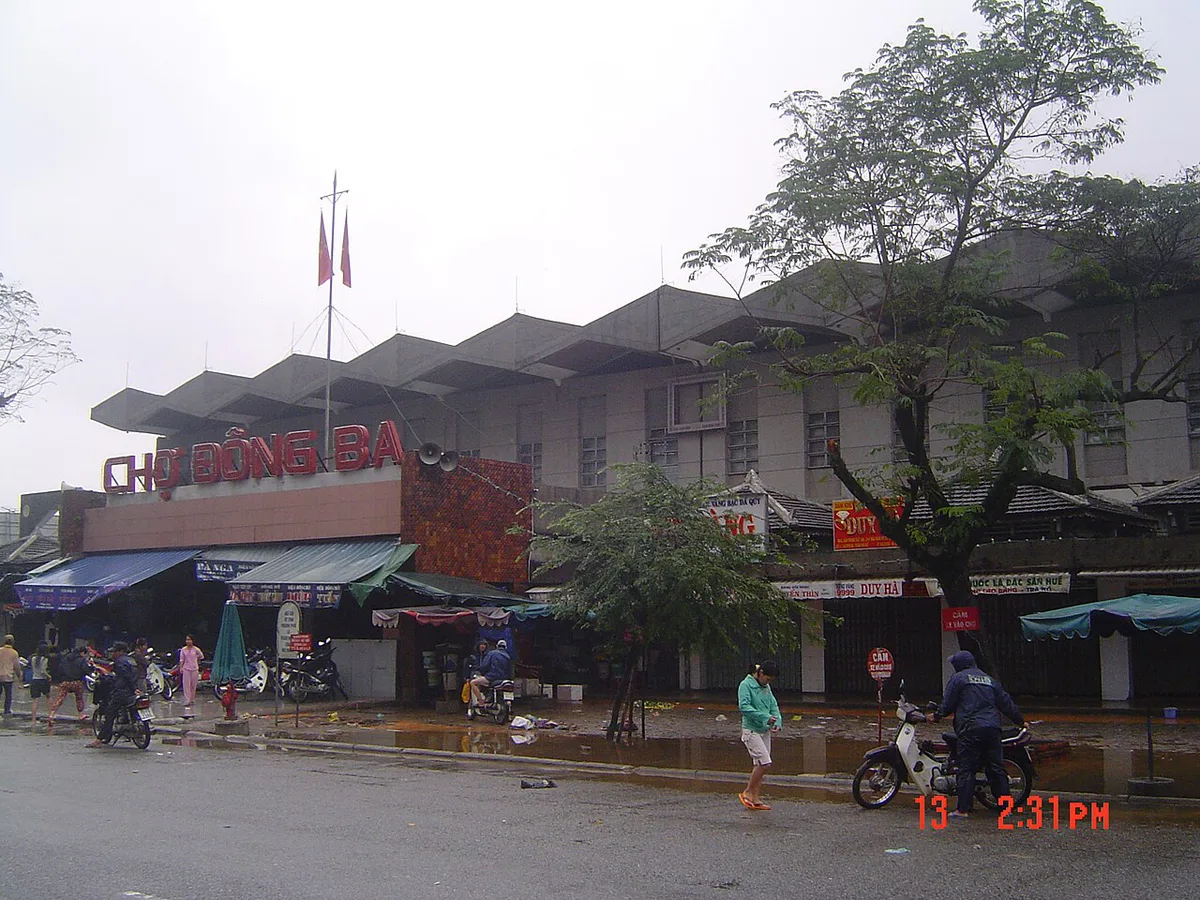
Pick the zone first, then the property. Each of Hue's homestay areas gives a different daily rhythm. Near the Citadel (Dai Noi), Le Thanh Ton is a residential street with guesthouses on its side lanes. It suits travelers who plan to spend mornings inside the walls. Along Trinh Cong Son, homestays sit close to the Perfume River. That gives you river air and an easy walk to the water in the evening. Across the river, Chi Lang sits beyond Truong Tien Bridge and Dong Ba Market. This side is quieter and more residential. Cafes and restaurants thin out after dark. Check any distance on a map before you commit, because lane routes are longer than they look. In the backpacker streets, some homestays sit in alleys off Pham Ngu Lao and Chu Van An. Those lanes give you more evening options at the cost of more street noise. For official visitor information, start with the Thua Thien Hue tourism portal.
What Hue Homestays Cost and What Changes the Price
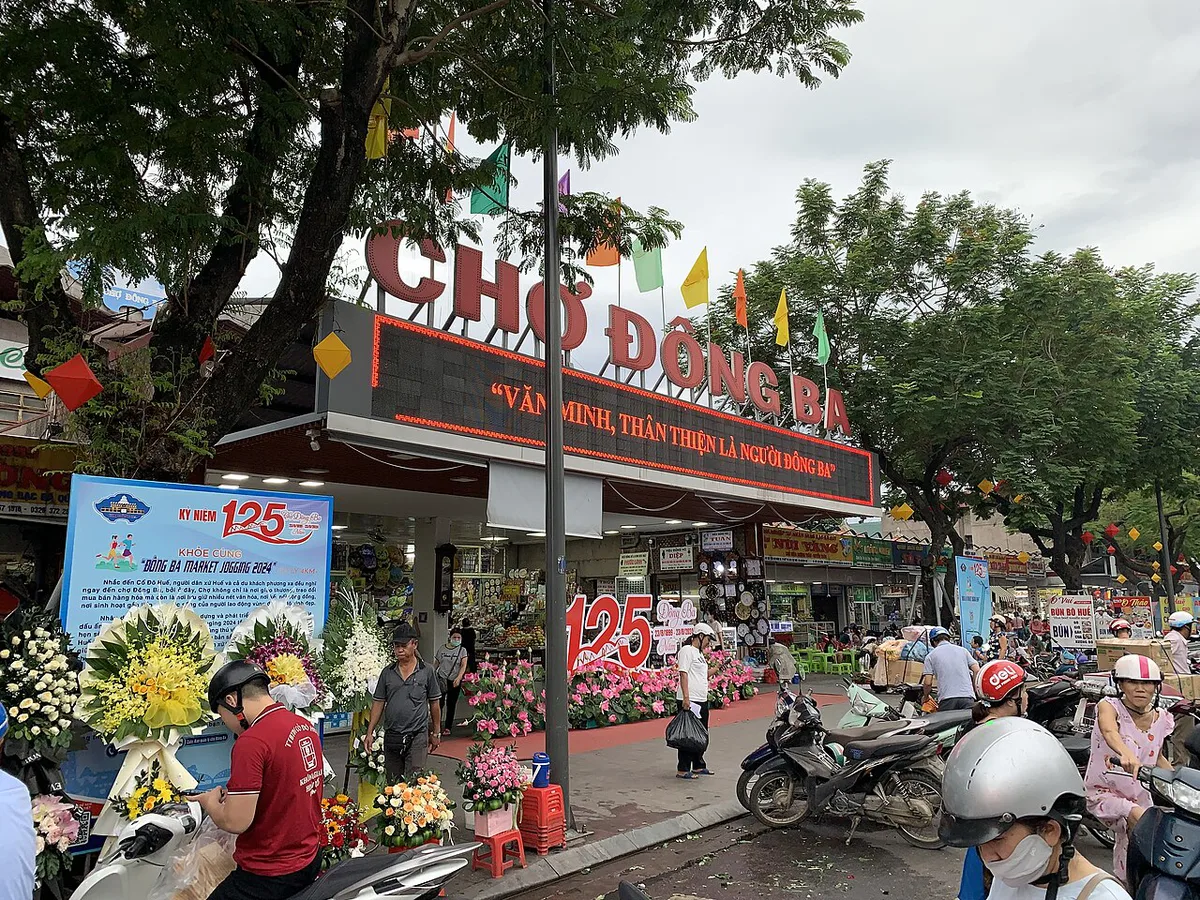
A 2020 Vietnam travel guide put homestay prices at roughly ₫60,000 to over ₫2,000,000 per person per night. Treat these as dated, approximate bands, not current rates. The spread comes from room type, view, distance from the center and whether meals are included. Dorm bunks ran about ₫60,000 to ₫150,000. Private rooms started near ₫500,000. Family rooms started near ₫700,000. Prices checked November 2026 will likely sit higher, and they rise around Tet and festival periods. Look at live rates for your own dates on the booking platform or the host's page. Breakfast, laundry and bike hire change the real price, so compare what each rate includes.
Private rooms started near ₫500,000 while dorm bunks ran about ₫60,000 to ₫150,000, so put bed types side by side before judging any rate.
How to Book and What to Confirm First
You can book on platforms such as Booking.com, Agoda or Airbnb. You can also message a host directly or use a tour agency. Platforms show recent reviews and clear cancellation terms. Direct booking can save a commission but gives you less recourse. Agencies bundle transfers and tours at a higher total price. Before paying, run through this vetting checklist:
- How quickly the host replies to a question.
- Whether the listing shows reviews from the last few months.
- What the rate includes: breakfast, laundry, bikes.
- Payment and cancellation terms in writing.
- Hot water and air conditioning in your room.
- A map pin and a late check-in plan.
Getting There and Getting Around
Many homestays sit down narrow alleys that taxis cannot enter. One Chi Lang property says its alley takes 40-seat coaches, which shows how much access varies from lane to lane. Ask your host for a map pin and the exact drop-off point. Ask whether the host arranges an airport pickup, and what it costs. Many hosts lend bicycles or rent motorbikes. Those make cross-river trips easy from Chi Lang or Trinh Cong Son. If you plan to visit the Citadel, check ticket and opening details with the Hue Monuments Conservation Centre.
One Chi Lang property says its alley takes 40-seat coaches, so access varies from lane to lane, yet travelers with heavy bags should still avoid alley properties.
Who Should Skip a Homestay
Skip a homestay if you arrive after midnight and nobody has agreed to wait up. Skip it if you need a lift, a gym or a front desk. Travelers with heavy bags or limited mobility should avoid alley properties. A hotel on the riverfront is easier in those cases. Light sleepers should also check whether a family house shares walls with a busy kitchen or street.
Common Mistakes When Booking a Hue Homestay
Most problems come from assumptions made from photos. Watch for these:
- Booking on photos alone, without reading recent reviews.
- Ignoring the alley location and the walk with luggage.
- Assuming meals or bike hire are included in the rate.
- Arriving late with no check-in plan.
- Comparing a dorm bed price with a private room price.
Useful notes for your Vietnam trip
Optional updates to our guides.
You might also like
Continue reading
More guides you'll find useful