Hoa Lu Ancient Capital: History, Tickets & How to Visit
Visit Hoa Lu Ancient Capital in Ninh Binh: history, the Dinh and Le temples, ticket and timing tips, how to get there, and what to combine it with.
On this page
Last updated November 2026, this guide covers Hoa Lu Ancient capital, the seat of Dai Co Viet from 968 until the court moved to Thang Long in 1010. Today you come for two 17th-century temples to the Dinh and Le kings, set at the foot of karst hills, and a visit takes 60 to 120 minutes. History-minded travelers with a half day will get the most from it, and landscape-first visitors should start with the wider Ninh Binh itinerary.
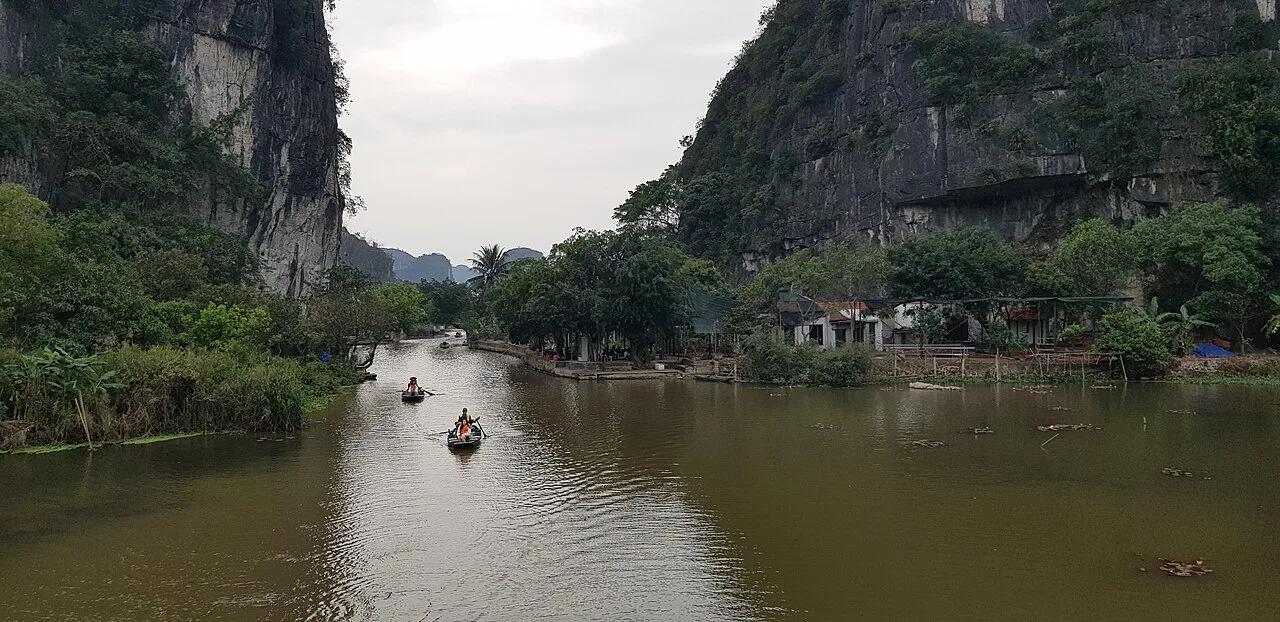
Featured image: Jakub Hałun, CC BY 4.0, via Wikimedia Commons.
Hoa Lu Ancient Capital at a Glance
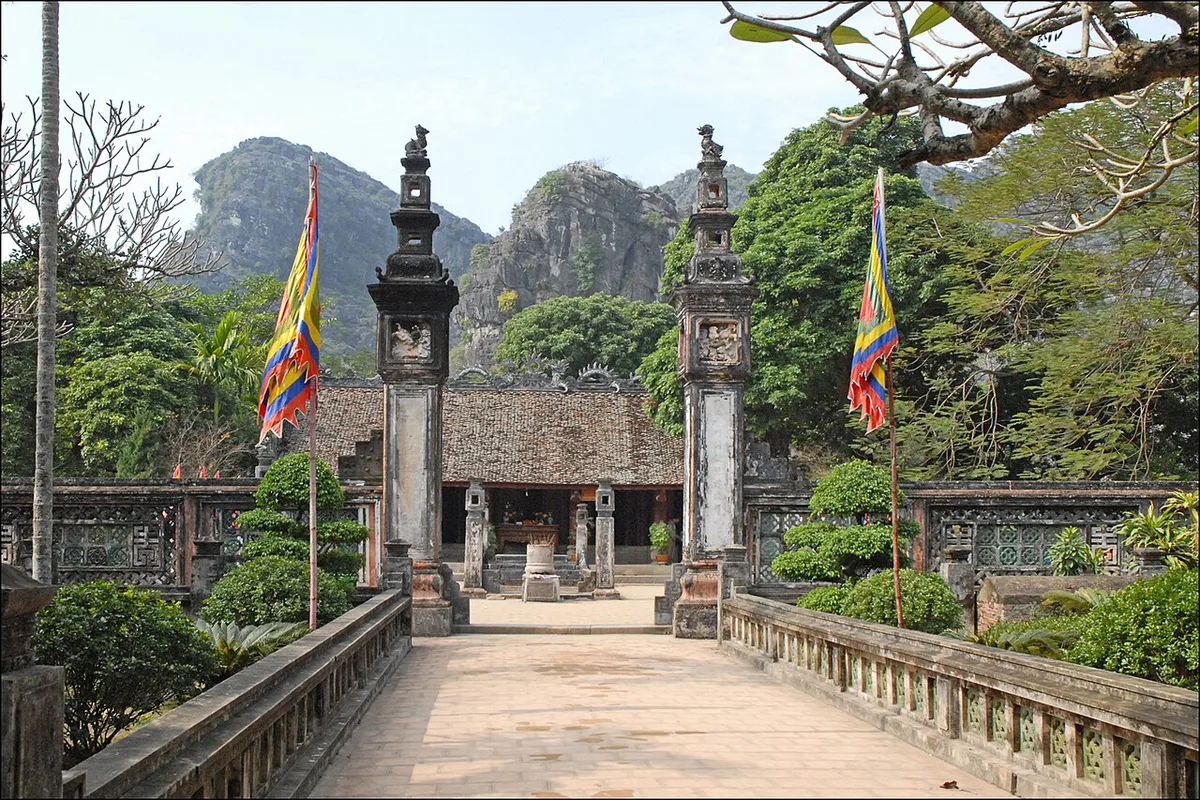
Hoa Lu was the capital under Dinh Tien Hoang and the Early Le rulers, until Ly Thai To left for Thang Long in 1010. Almost nothing of the wooden palace survives. What you visit are the Dinh and Le temples, rebuilt in the 17th century, and a stone scripture pillar at Nhat Tru. Plan on 60 minutes without the Ma Yen climb and up to 2 hours with it. Entry is 20,000 VND, the site opens daily from 7:00 AM to 5:00 PM, and parking at the gate costs 10,000 to 20,000 VND (prices and hours checked November 2026).
- Verdict: worth a half day if you like history, a poor fit for a landscape-only day
- Time needed: 60 to 120 minutes on site
- Ticket: 20,000 VND per person
- Hours: 7:00 AM to 5:00 PM daily
- Best window: before 8:30 AM or after 4:00 PM
Is Hoa Lu Worth Visiting? Go If, Skip If

Hoa Lu rewards context more than spectacle. You are walking through temples built on the site of a vanished palace. The setting adds drama, because limestone cliffs rise right behind the courtyards. If that sounds like your kind of morning, go. If you have only a few hours in Ninh Binh, spend them on the water instead.
- Go if you want the story of Vietnam's 10th-century court in one place
- Go if you have a half day and can start early
- Go if you are already heading to Bai Dinh or Trang An, which are close by
- Skip if you have only a few hours and want karst landscapes
- Skip if you expect palace ruins, since the original buildings are gone
A Short History of Hoa Lu: 968 to 1010
Dinh Bo Linh used the Hoa Lu valley as his base and defeated 12 warlords. In 968 he took the throne as Dinh Tien Hoang and named his state Dai Co Viet. He made Hoa Lu the capital because the mountains worked as walls and the rivers as a defensive moat. In 970 he issued the first Vietnamese currency, according to Vietnamese historical accounts. Courts of the Dinh and Early Le dynasties then ruled from here through 1009. In 1010 Ly Thai To moved the capital to Thang Long, the site of present-day Hanoi.
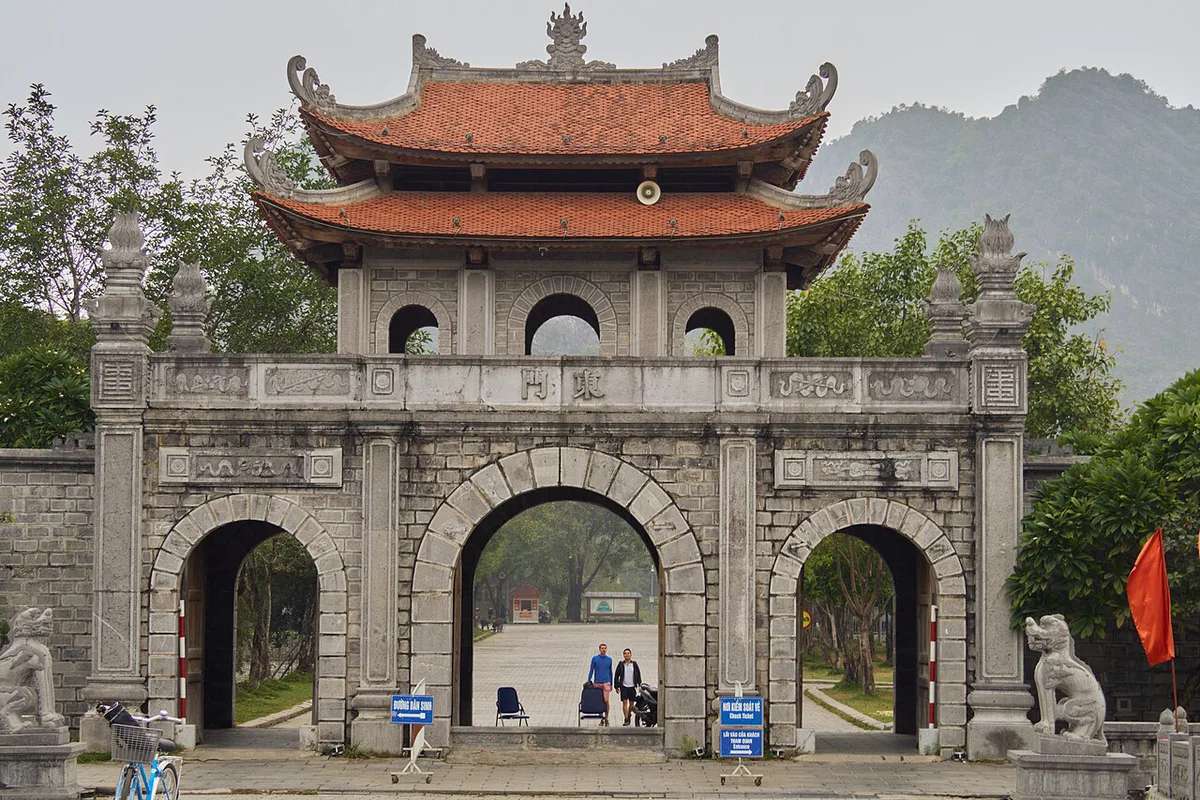
- 968: Dinh Tien Hoang founds Dai Co Viet and sets his court at Hoa Lu
- 970: a first national coinage is issued
- 980 to 1009: the Early Le dynasty, led by Le Dai Hanh, rules from Hoa Lu
- 1010: Ly Thai To relocates the court to Thang Long
Where Hoa Lu Sits and How the Citadel Was Laid Out
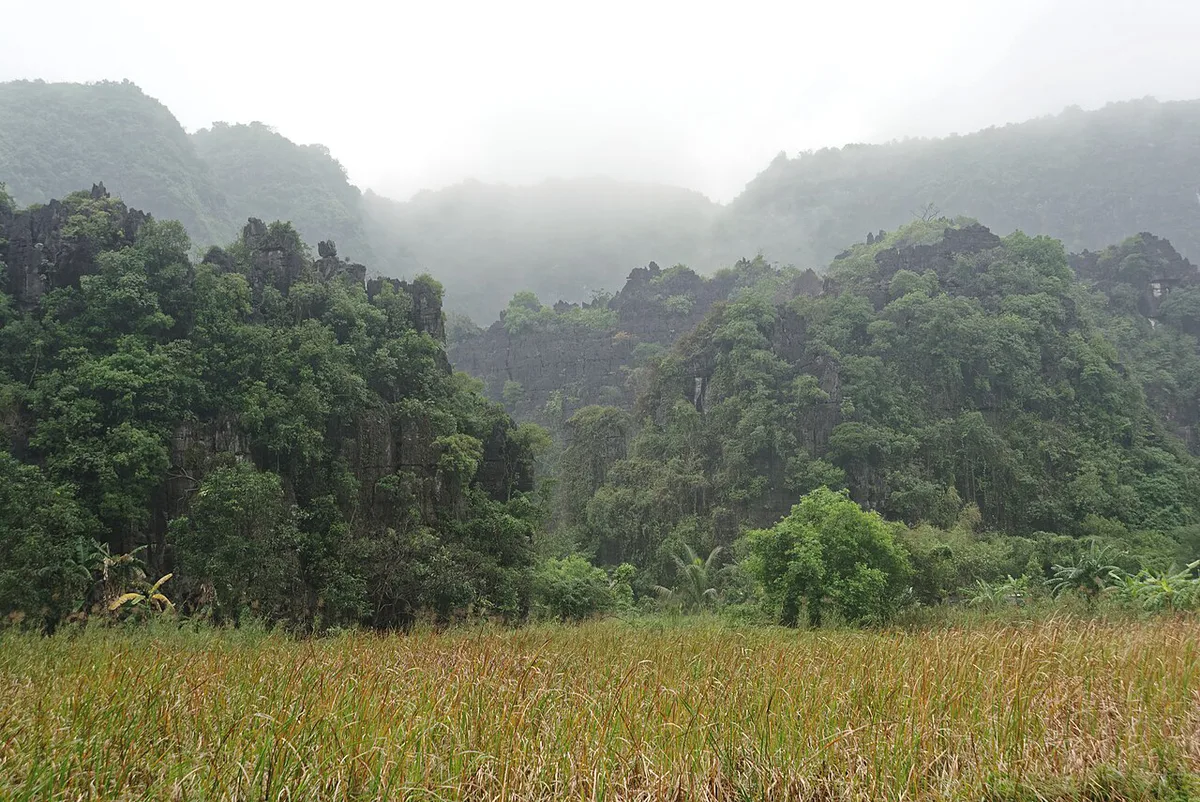
The old citadel covered roughly 300 hectares in three zones. Cliffs filled the gaps between peaks, and brick walls closed the remaining openings. Each zone had a job, which explains why the temples stand where they do. Waterways at the southern edge connect to the boat routes of Trang An's river caves. Boats are still the easiest way to feel that logic today.
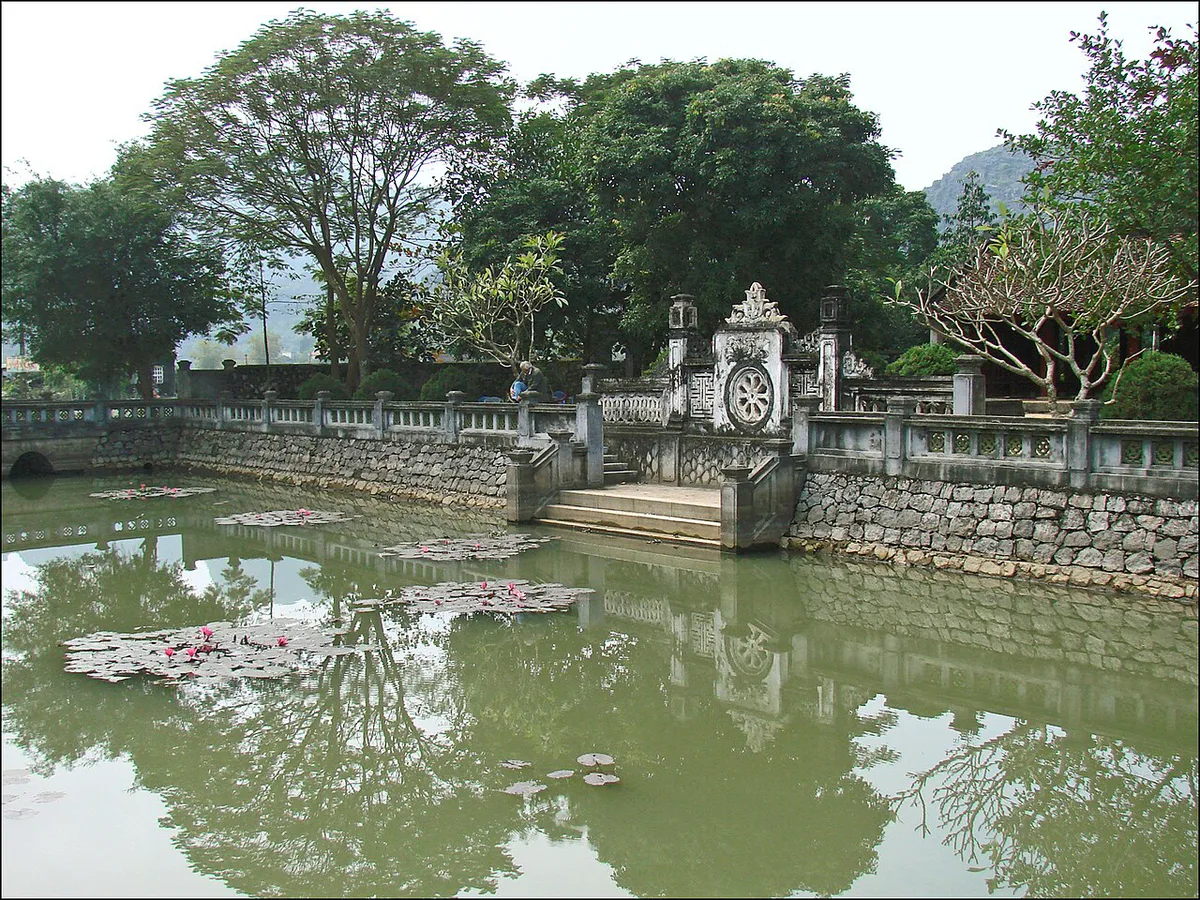
- Thanh Ngoai (outer citadel, about 140 hectares): Yen Thanh village, the working court, and today's Dinh and Le temples
- Thanh Noi (inner citadel): Chi Phong village, home of the royal family and senior mandarins
- Thanh Nam (southern citadel): the largest zone, protecting the rear and linked to the Trang An waterways
What to See: Dinh Temple, Le Temple, Nhat Tru and Ma Yen
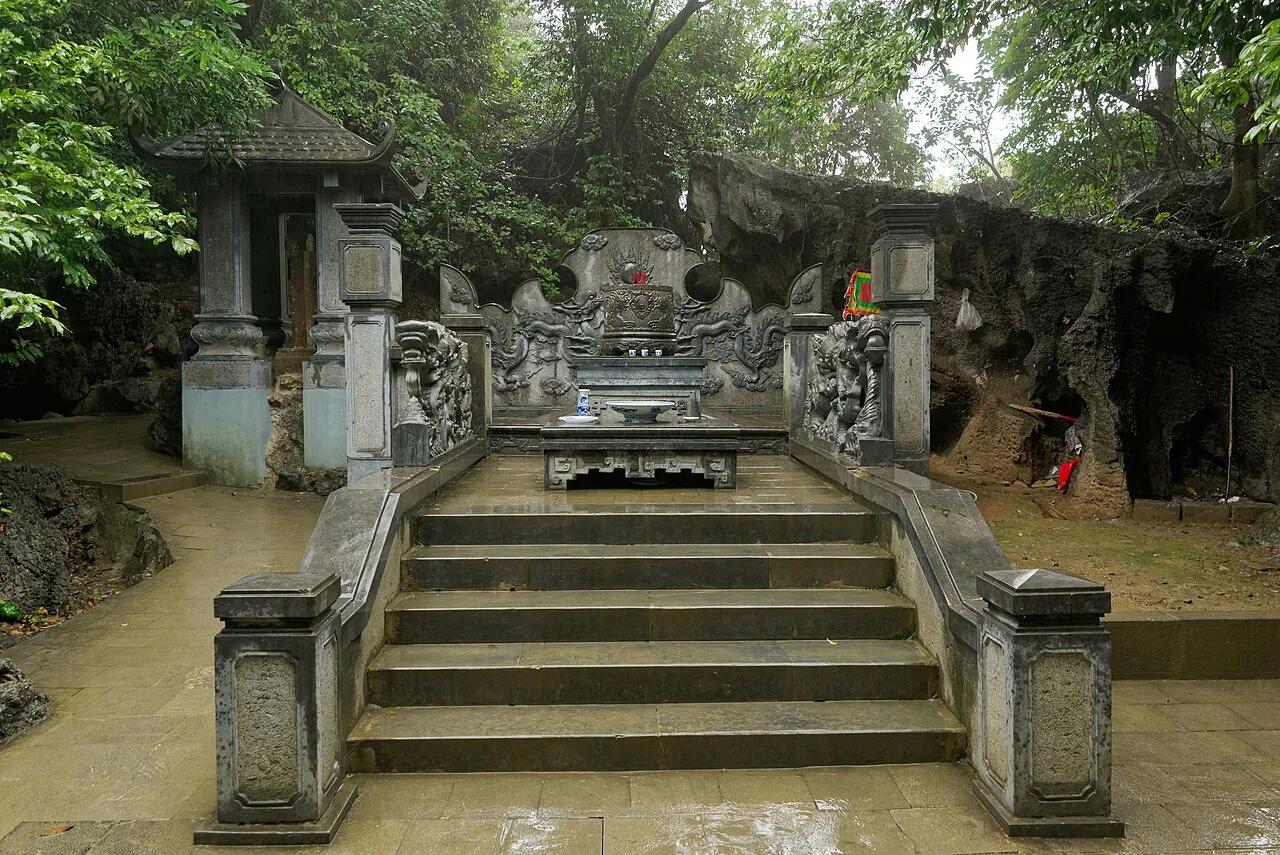
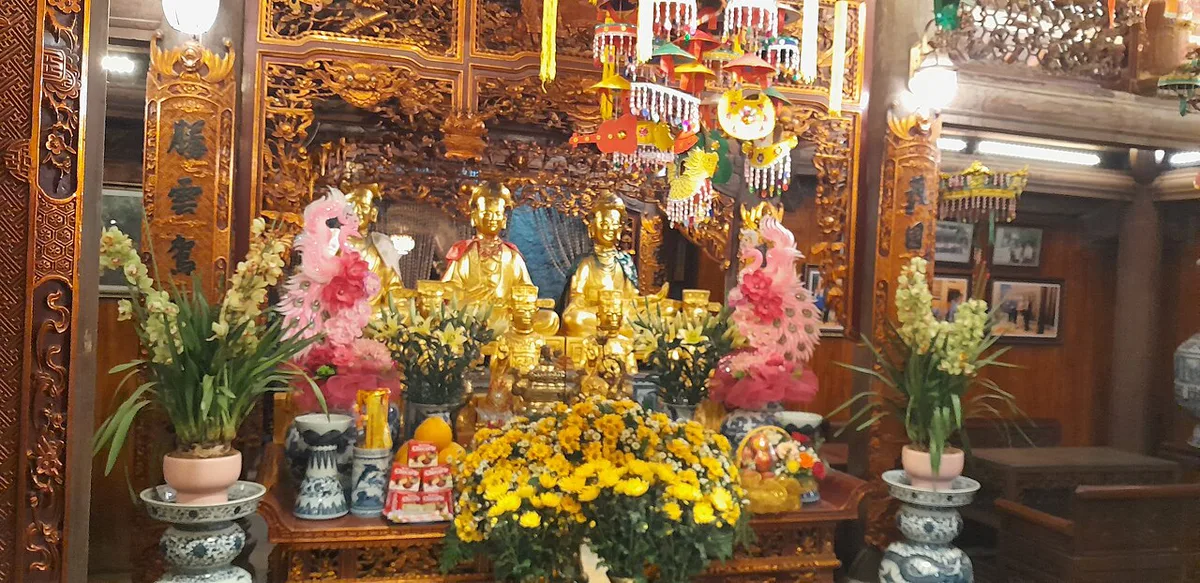
Start at the Dinh Tien Hoang temple. A stone dragon bed and a pair of stone elephants stand in its courtyard, and statues of the king and his sons sit in the inner sanctuary. Ma Yen mountain, shaped like a horse saddle, rises in front. The Le Dai Hanh temple lies about 300 meters away and is smaller. Next, find the octagonal stone pillar at Nhat Tru pagoda, which carries Buddhist scripture and dates to the 10th century. The 265-step climb on Ma Yen leads to the tomb of Dinh Tien Hoang. Treat it as optional on a hot day.
- Enter at the East Gate and buy your ticket at the kiosk
- Dinh temple: courtyard, dragon bed, inner sanctuary
- Le temple: a short walk on level ground
- Nhat Tru pillar: quieter than the two main temples
- Ma Yen climb, only if time and weather allow
- Short on time: skip Ma Yen and keep both temples
How to Get to Hoa Lu
Most visitors arrive from Hanoi, about 100 km north, and the road trip takes 1.5 to 2 hours. A limousine van costs around 200,000 to 300,000 VND, and a private car runs 1,200,000 to 1,500,000 VND. Bus fares from Giap Bat or My Dinh stations vary by operator, so treat the figures below as indicative. From central Ninh Binh a scooter ride takes about 25 to 30 minutes. If you are staying at Tam Coc, the back road through the valleys adds about 15 minutes by bicycle, and it is far quieter than the highway. See our Tam Coc cycling base notes for the stay side of that plan.
| Route and mode | Indicative cost | Time | Best fit | Catch |
|---|---|---|---|---|
| Hanoi limousine van | 200,000-300,000 VND | 1.5-2 hours | Solo travelers and couples | Hotel pickup, fixed departure windows |
| Hanoi private car | 1,200,000-1,500,000 VND | About 1.5 hours | Families with luggage | Highest cost |
| Hanoi bus (Giap Bat or My Dinh) | 50,000-200,000 VND, sources vary | About 1.5-2 hours | Budget travelers | Needs a taxi or scooter onward |
| Hanoi train to Ninh Binh | 90,000-200,000+ VND | Varies by train | Rail fans | Taxi needed from the station |
| Central Ninh Binh scooter | Rental plus 10,000-20,000 VND parking | 25-30 minutes | Flexible day trips | Heat and shade shortage |
Tickets, Opening Hours and Temple Rules
Entry costs 20,000 VND per person, and the site opens daily from 7:00 AM to 5:00 PM. Independent travelers do not need to book ahead because tickets are sold at the kiosk near the East Gate. Guided tours usually include the fee. Carry small notes for parking, which runs 10,000 to 20,000 VND, so you can ignore unofficial helpers on the approach road. Expect to cover shoulders and knees inside the temples, since both are active places of worship. Photography is fine in the courtyards, but skip flash at the altars. Drone use needs a permit from Ninh Binh's tourism authorities.
Opening at 7:00 AM gives you time before tour buses from Hanoi tend to arrive between 10:30 AM and 11:30 AM.
Best Time to Visit Hoa Lu and the Hoa Lu Festival

February to May brings mild weather, and spring is also the festival season. The Hoa Lu festival, also called Truong Yen or Co Lau, falls on the 8th to 10th of the third lunar month, roughly April. It honors Dinh Tien Hoang and Le Dai Hanh. Dates move each year, so confirm them with the local announcement. Festival days add atmosphere and crowds, and a quiet visit is easier in other months. Whatever the month, tour buses from Hanoi tend to arrive between 10:30 AM and 11:30 AM. Arrive by 8:30 AM or after 4:00 PM. Shade is scarce on the paved square, and March can bring damp haze, so pack an umbrella and shoes for cobblestones. In May and June, rice ripens around Ninh Binh, which makes a golden-field day at Tam Coc a good pairing.
Combine Hoa Lu With Other Ninh Binh Sights
Hoa Lu sits close to several headline sights. One source lists about 15 minutes to Trang An, 10 minutes to Mua Cave and 20 minutes to Bai Dinh. Pair Hoa Lu with a Trang An boat trip if you want history first and water second. Choose the Hang Mua viewpoint climb only if you skip Ma Yen, because both involve steps. Frame Bai Dinh's modern temple complex as the spiritual, large-scale counterpart to Hoa Lu's smaller 17th-century temples. Do not stack all five stops in one day. Two pairings are plenty. For wider province planning, Vietnam's national tourism authority lists Ninh Binh's main sights.

| Pairing | Best order | Time of day | Suits | Main constraint |
|---|---|---|---|---|
| Hoa Lu + Trang An | Hoa Lu first, boats after | Morning temples, afternoon water | History plus landscape | Boat queues at midday |
| Hoa Lu + Tam Coc | Cycle in early, ride back | Early start | Active travelers | Heat and little shade |
| Hoa Lu + Hang Mua | Hoa Lu first | Late afternoon for the viewpoint | Photographers | Extra steps after Ma Yen |
| Hoa Lu + Bai Dinh | Hoa Lu first | Full day | Temple-focused trips | Large grounds, long walks |
Eating and Staying Near Hoa Lu
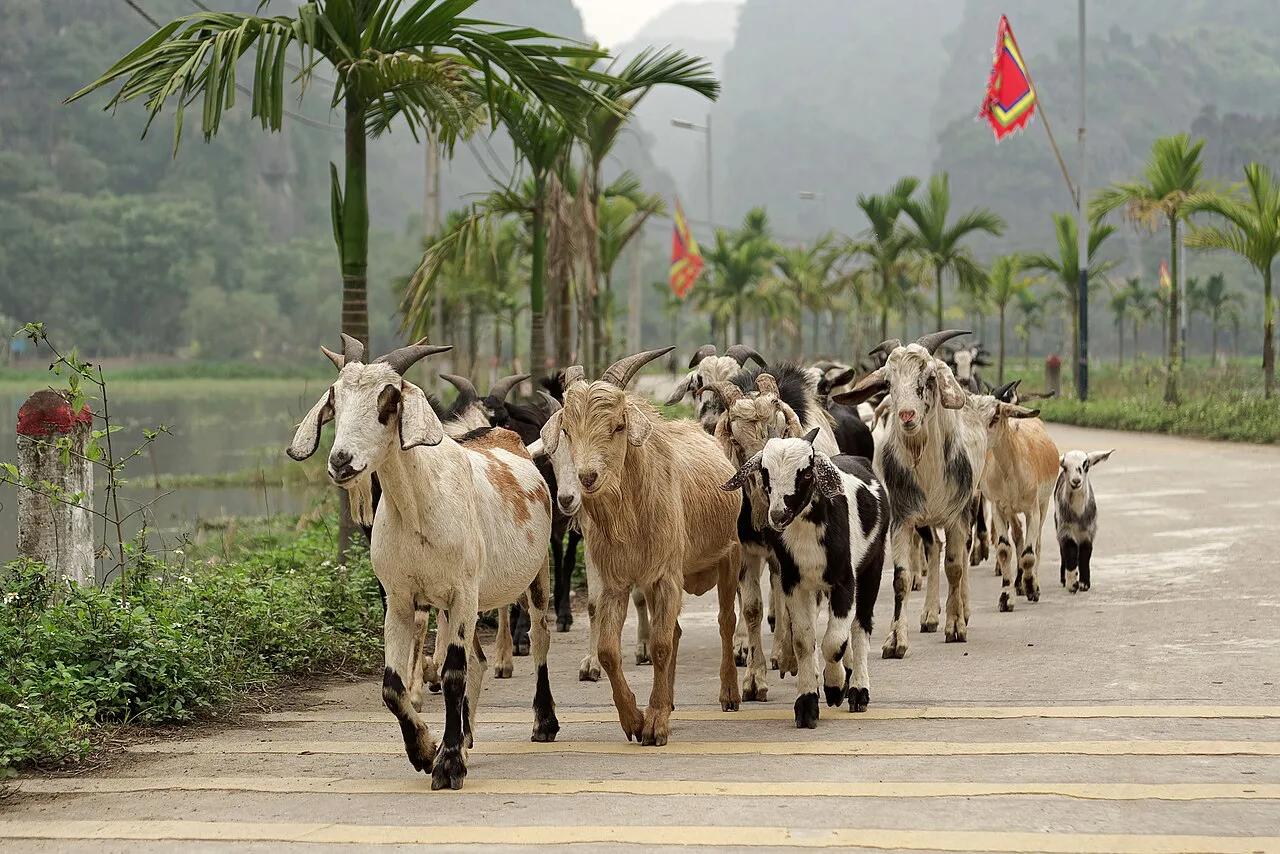
Hoa Lu works as a day trip, so base yourself in Tam Coc or Ninh Binh city. Ninh Binh's best-known local dishes are mountain goat meat and crispy rice, called com chay. Both are sold at restaurants around Hoa Lu, Bai Dinh and Tam Coc. Pick any busy local place, since this guide does not recommend a specific restaurant.
Staying at Tam Coc, the back road adds about 15 minutes by bicycle, and it is far quieter than the highway.
Mistakes to Avoid at Hoa Lu
Most problems come from timing and expectations. Fix those and the visit runs smoothly.
- Arriving between 10:30 AM and 11:30 AM, when tour buses fill the courtyard
- Expecting palace ruins instead of two 17th-century temples
- Skipping the dress code and getting turned back at the sanctuary
- Paying unofficial parking helpers instead of the gate fee
- Packing five stops into one day
Useful notes for your Vietnam trip
Optional updates to our guides.
You might also like


Continue reading
More guides you'll find useful