Hanoi Rainy Season: Months, Weather and How to Plan
When Hanoi's rainy season runs, how heavy the rain gets, and how to plan days, transport and indoor backups around it.
On this page
Last updated November 2026. Hanoi rainy season runs from about May to September or October, with heat and humidity peaking in the same weeks. Rain usually arrives as short, heavy afternoon bursts rather than all-day grey. Travelers who can still move dates should read our Hanoi timing guide before deciding.
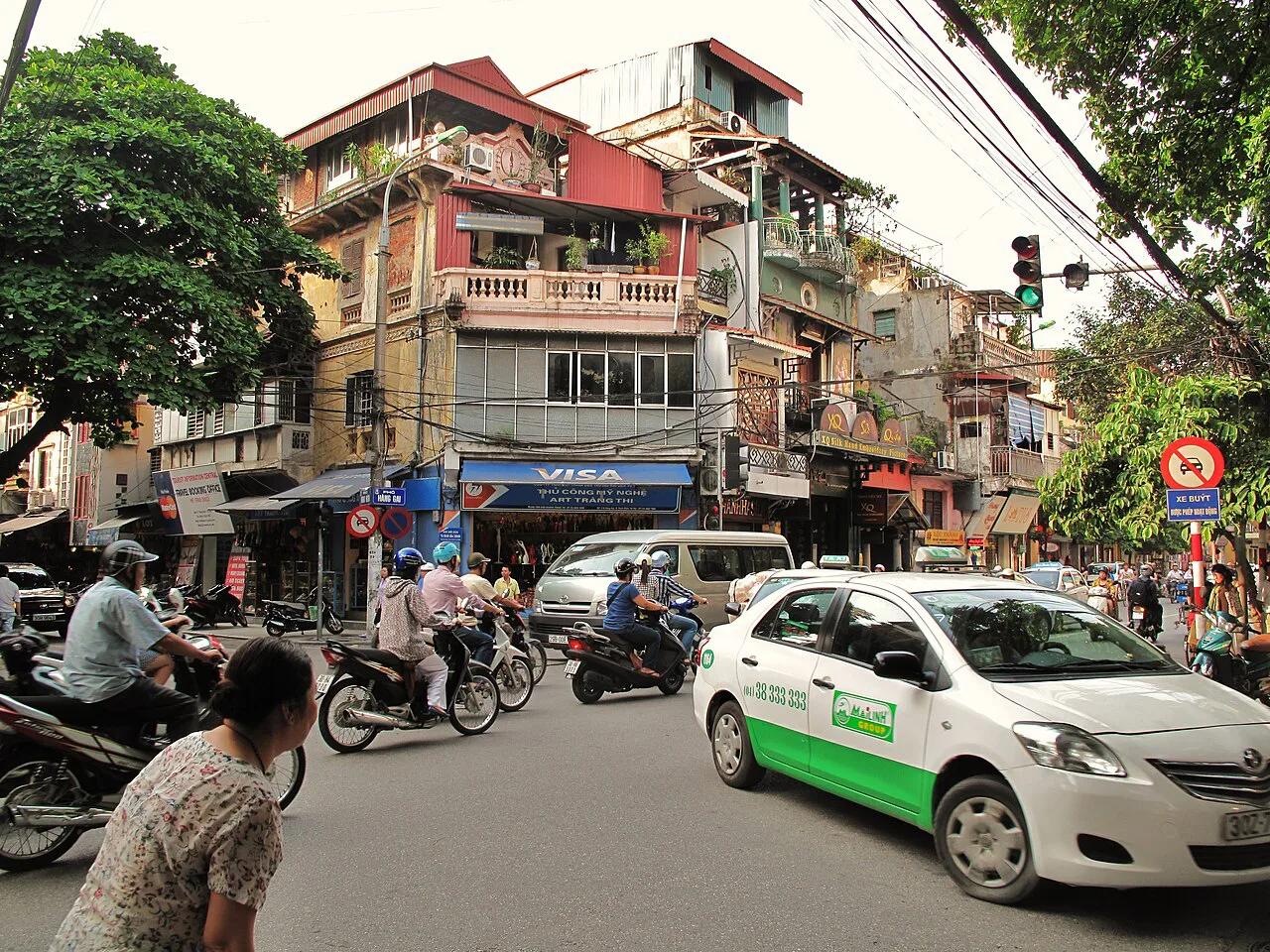
Featured image: Gryffindor, CC BY-SA 3.0, via Wikimedia Commons.
Hanoi Rainy Season at a Glance
Published climate tables put the wet months at May to October, and some sources end the season in September. June and August are the wettest, at roughly 265 mm and 275 mm. Annual totals vary between sources, from about 1,116 mm to about 1,610 mm, so treat any single figure as approximate. Expect about 15 rainy days a month in season. Most downpours last 20 to 60 minutes. You should still go if you want fewer crowds, cheaper rooms and a food-and-museum trip. Skip it if you are heat-sensitive or have a tight Ha Long Bay or Sapa add-on.
Month-by-Month: What the Rainy Season Feels Like
Typical published ranges show how the heat builds. May runs about 24–34°C (75–93°F) with thunderstorms. June reaches about 26–38°C (79–100°F) and is among the wettest months. July brings heavy, prolonged rain at 26–36°C (79–97°F). August is hot, humid and rainy, with some tables listing highs near 40°C (104°F). September cools to 24–32°C (75–90°F) and dries out. October settles at 21–29°C (70–84°F). Full climate data sits on our Hanoi weather page. Rainfall and warnings come from Vietnam's national climate institute.
- May: hot, humid, first thunderstorms
- June: very wet, highs above 35°C
- July: heavy, prolonged rain
- August: wettest on most tables, humid
- September: transition to milder, drier days
- October: usually the most pleasant month
- February–March: light drizzle, a separate pattern and not the rainy season

Rainy Season vs. the Other Hanoi Seasons
Cool, dry weather runs November to February, with monthly rainfall often under 50 mm. March and April are warm and fairly dry. Prices follow that pattern. As a planning illustration only, a mid-range room at ₫1,200,000 a night in January could drop to ₫800,000 in July. Rates change by hotel, so compare dates directly. For drier alternatives, read about Hanoi in December: Weather, Crowds & What to Do. Then see Hanoi in January: Weather, Tet Timing & What to Do (Honest Guide), the driest month at 10–20°C (50–68°F).
Downpours last 20 to 60 minutes, so a rainy-season day is mostly about timing. Cool, dry months are busier and pricier by comparison.

| Season | Months | Rain | Typical temperatures | Crowds and prices |
|---|---|---|---|---|
| Rainy | May–Oct | About 15 rainy days a month, short heavy bursts | 24–38°C (75–100°F) | Quieter, cheaper |
| Cool and dry | Nov–Feb | Often under 50 mm a month | 10–21°C (50–70°F) | Busier, pricier |
| Warm transition | Mar–Apr | Light showers | 16–30°C (61–86°F) | Moderate, shoulder pricing |
Is the Hanoi Rainy Season Worth It? Go, Adjust or Skip

Rainy season suits flexible travelers who care more about pho, museums and cafés than sunrise photos. Off-season visits also give more room to negotiate with Old Quarter shops. Heat is the bigger hurdle than rain. Highs above 30°C (86°F) with high humidity wear down long walking days.
- Go: budget travelers, food and museum fans, flexible schedules
- Adjust: families and first-timers; plan mornings outdoors, afternoons inside
- Skip: tight itineraries with Ha Long Bay or Sapa, or anyone sensitive to heat
How to Plan a Rainy-Season Day in Hanoi

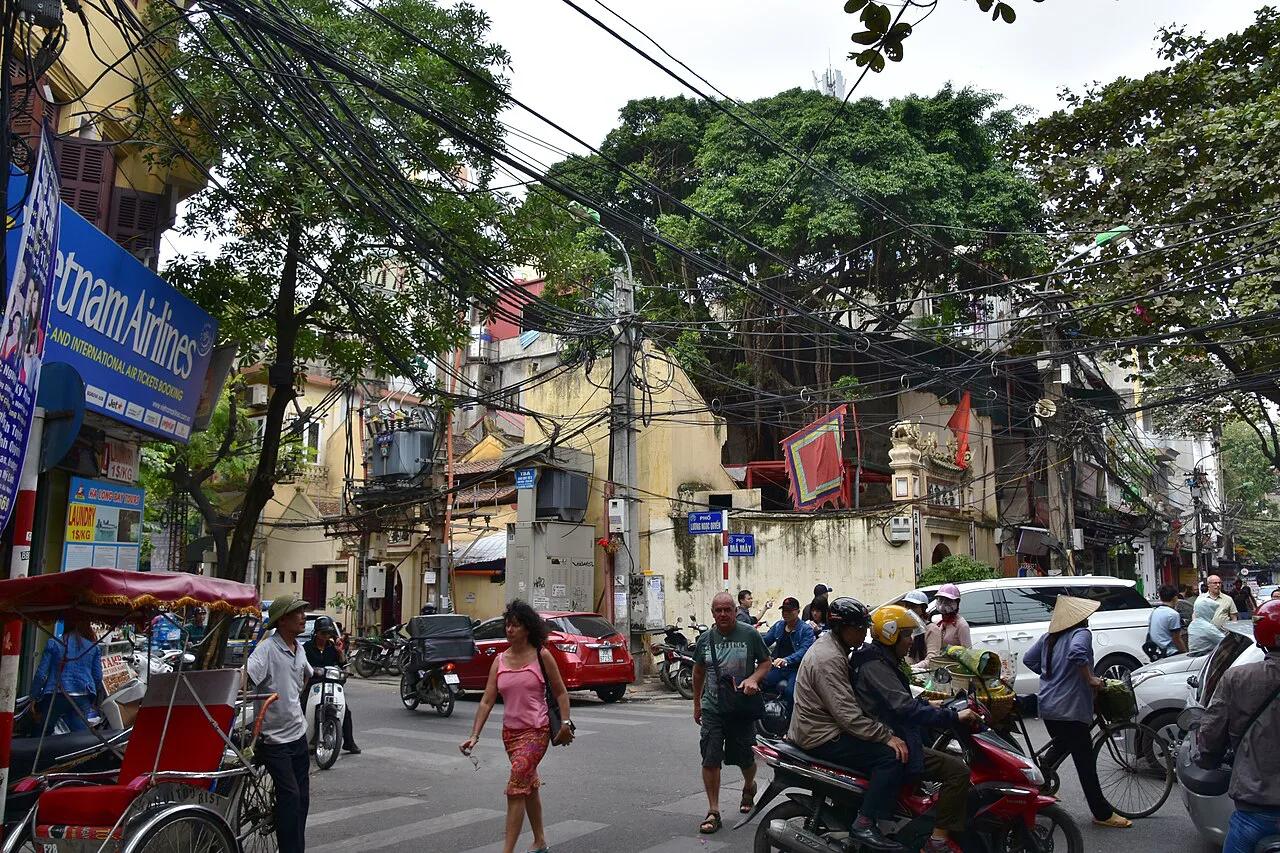
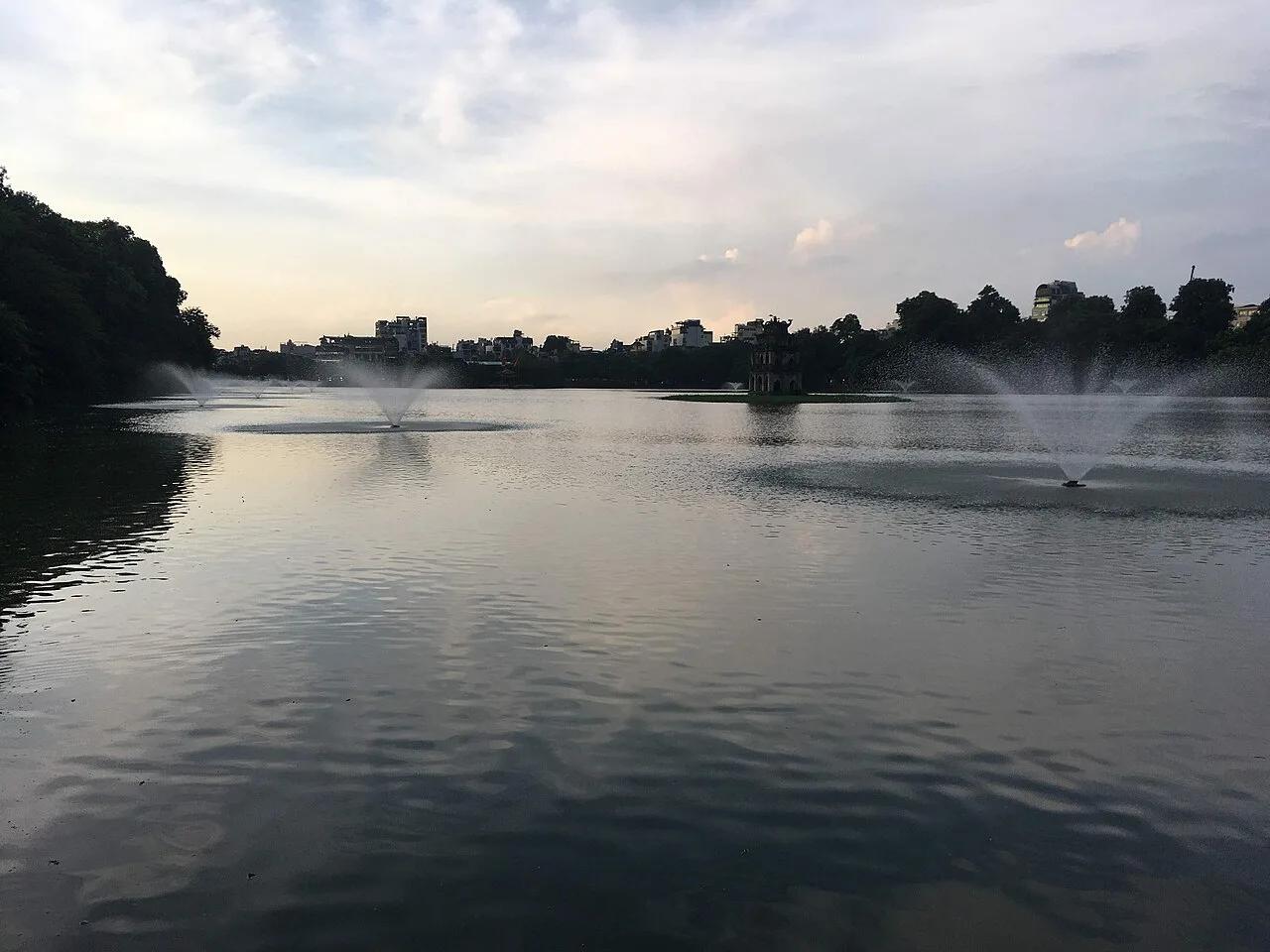
Start early. Walk Hoan Kiem Lake or the Old Quarter before late morning, when thunderstorms build. Move indoors from about 1 pm. Read the hourly forecast, not the daily icon. A single hour of rain means a coffee break. Several hours of rain plus a storm warning means rebuilding the day. Mistakes to avoid: overpacking outdoor stops, trusting a daily rain icon, and booking day trips as non-refundable.
Move indoors from about 1 pm. Taxis and ride-hailing cars get scarce during sudden downpours, so book before the storm.
Rain-Proof Things to Do in Hanoi
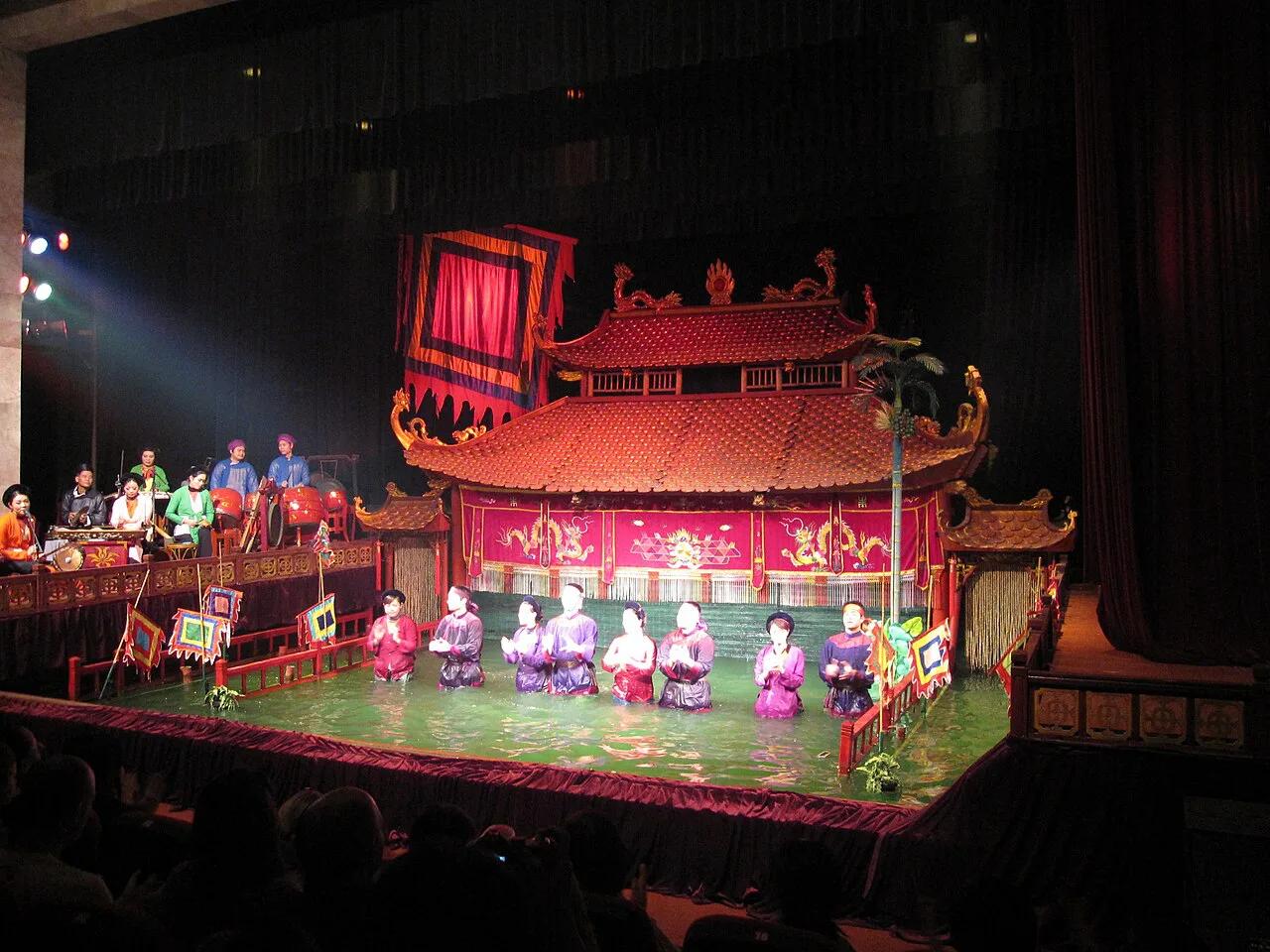
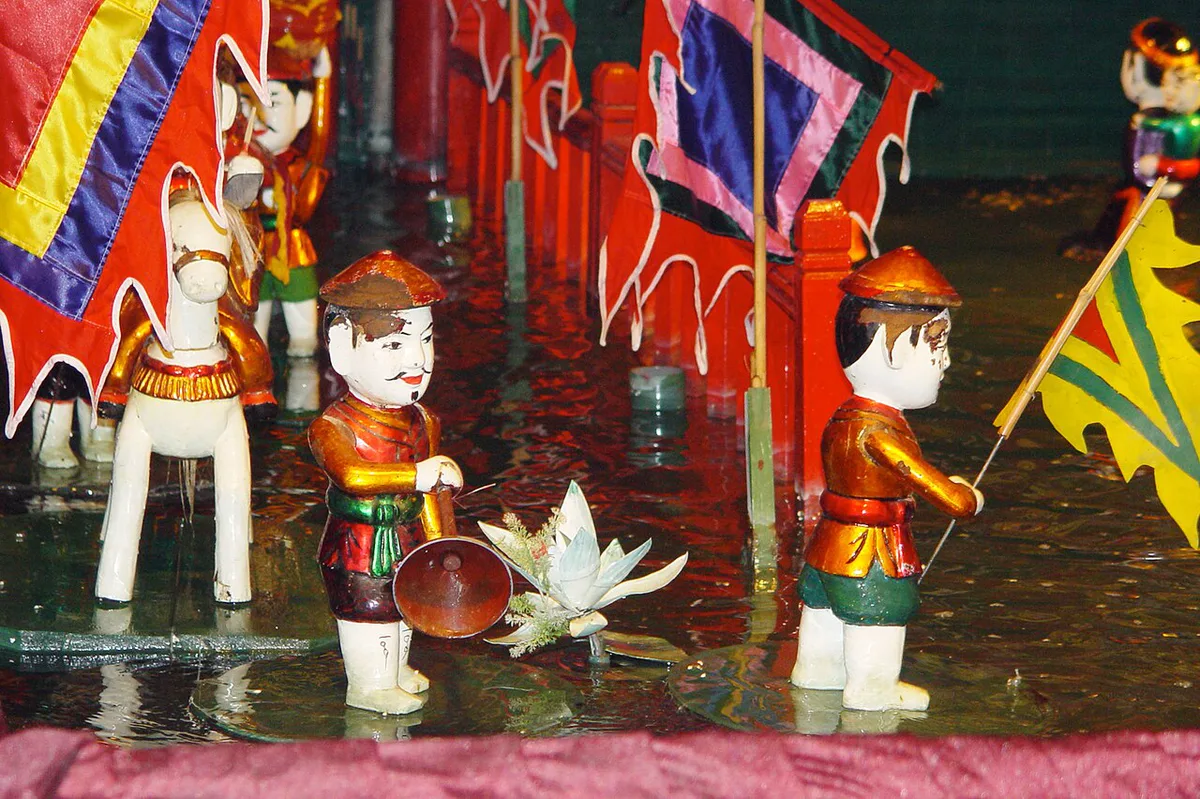
Many indoor options sit close together. Verify hours and ticket prices on venue sites or through Hanoi's official tourism site. The Vietnam Museum of Ethnology is farther out, so plan a taxi or Grab ride. Water puppet shows run in a covered theatre near Hoan Kiem Lake.

| Planned outdoor activity | Indoor or covered swap | Area and transport | Check first |
|---|---|---|---|
| Hoan Kiem Lake loop | Water puppet theatre | Old Quarter, walkable | Show times |
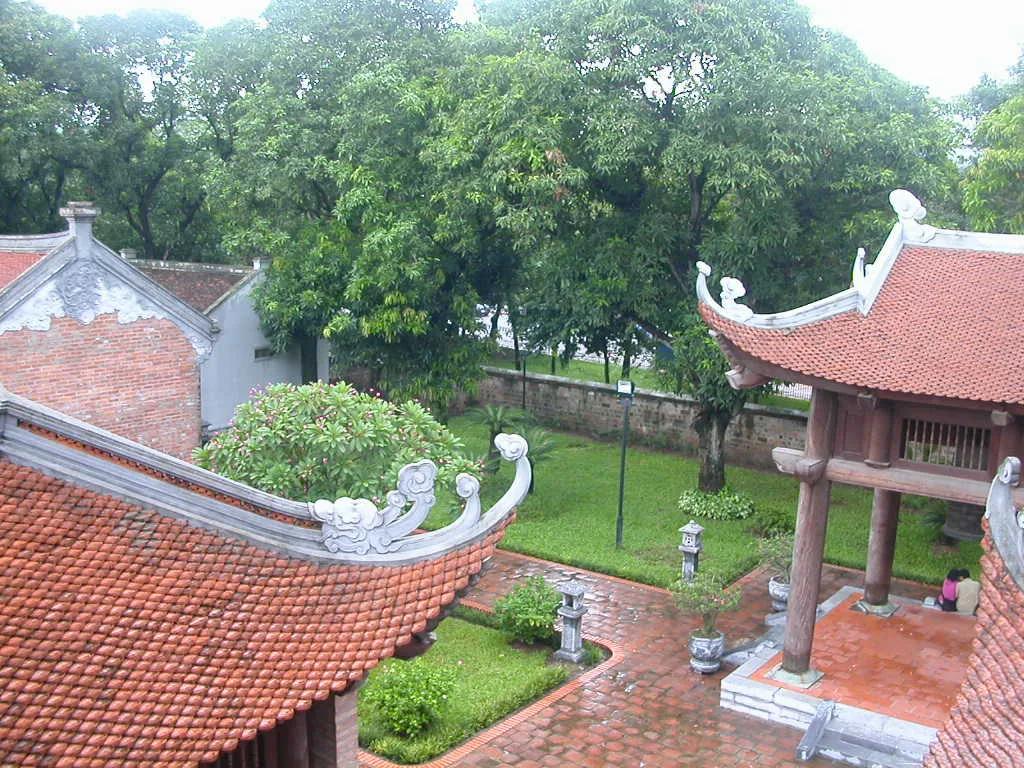
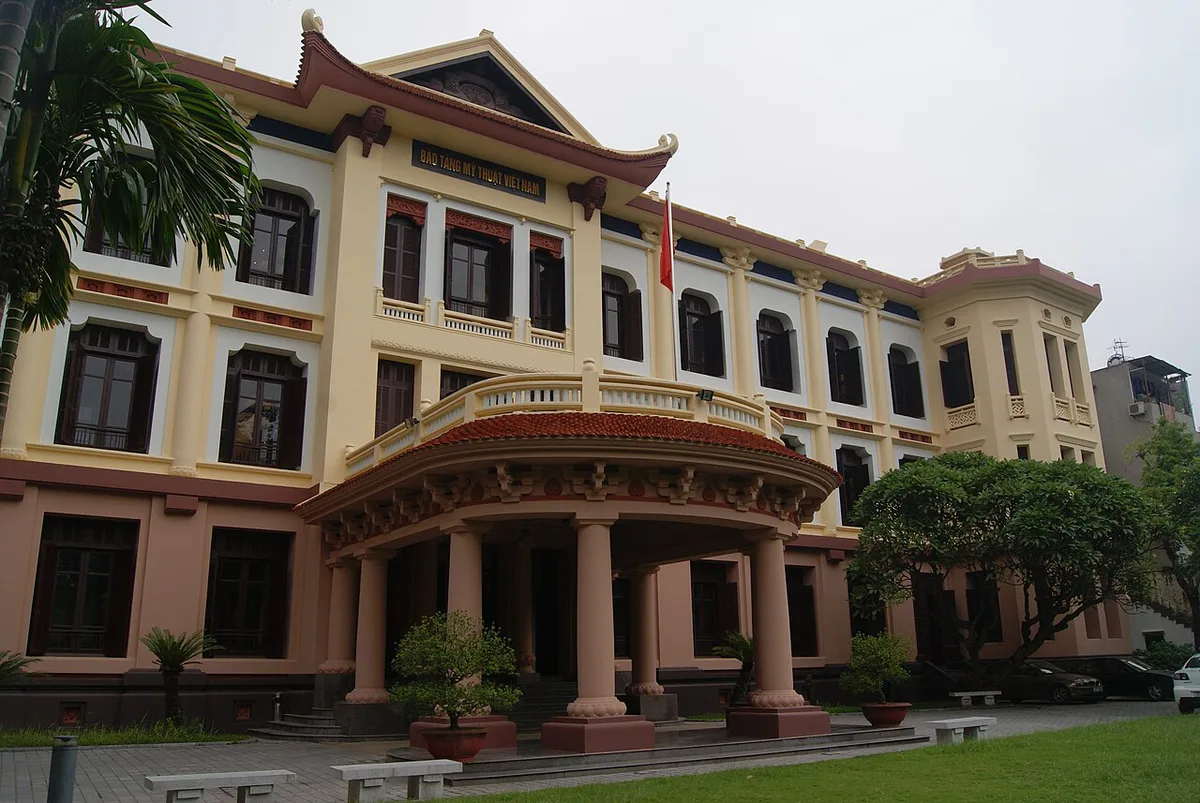
| Temple of Literature courtyards | Vietnam Fine Arts Museum | Nearby, short ride | Opening hours |
| Old Quarter walk | Cooking class or café stop | Old Quarter | Class start times |
| West Lake cycling | Vietnam Museum of Ethnology | Taxi or Grab | Ticket price |
Getting Around, Flooding and Where to Stay
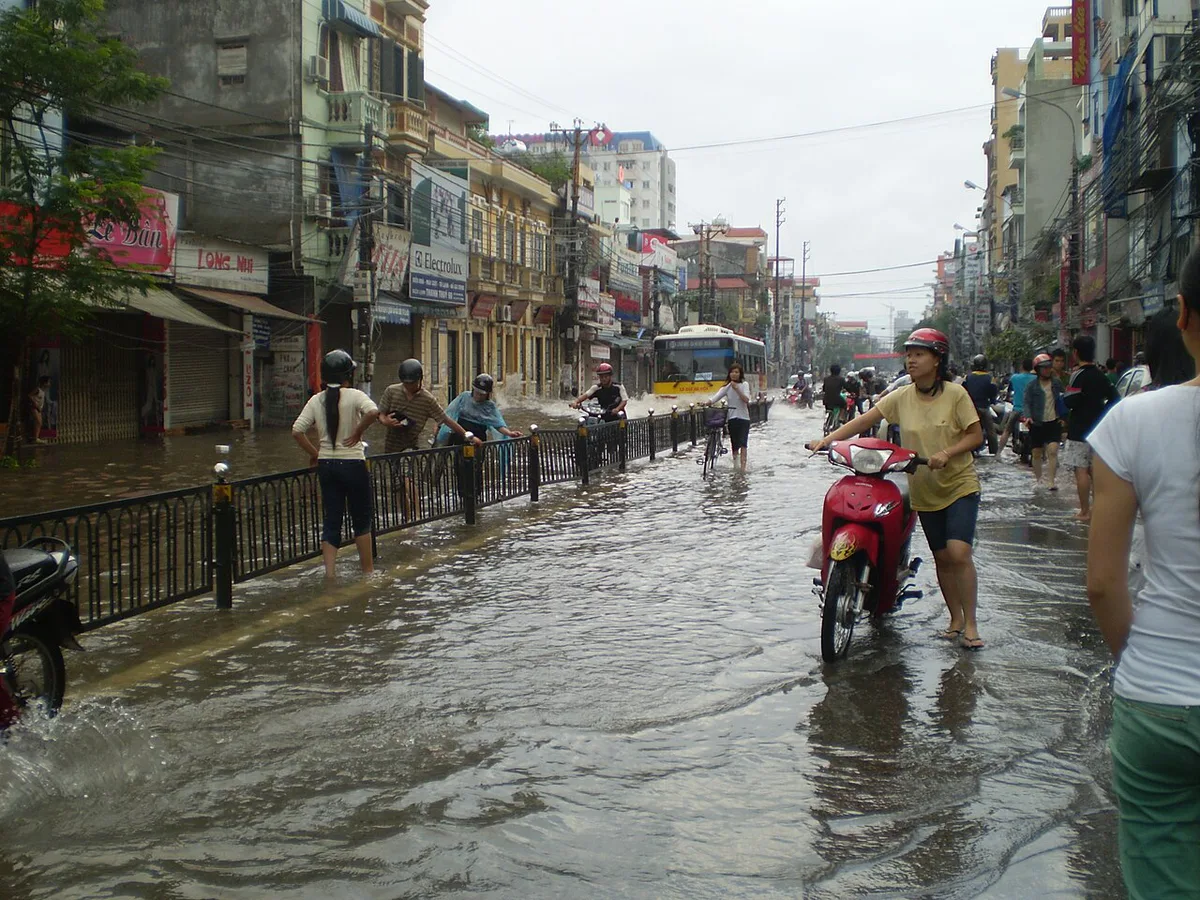
Taxis and ride-hailing cars get scarce during sudden downpours, so book before the storm or wait it out. Low-lying streets can flood in heavy rain, so choose a hotel with indoor breakfast and dry access. The Old Quarter is walkable but slippery. Wear non-slip sandals and keep your phone in a waterproof pouch. The French Quarter and West Lake areas give easier access to museums and cafés. Ask your hotel about street conditions before leaving.
Day Trips and Onward Travel in the Rain
Heavy rain raises landslide risk on northern mountain roads such as the Ha Giang Loop, and boat tours can be cancelled. Ha Long Bay cruises and Sapa treks need the most buffer time. Ask your operator whether the route is passable and the tour still runs. Choose refundable bookings and leave one spare day before any flight home.
What to Pack
Pack light and quick-drying.
- Light rain jacket or poncho
- Quick-dry clothes and spare socks
- Waterproof phone pouch
- Non-slip shoes or sandals
- Insect repellent
- Reusable water bottle for hydration
Typhoon and Storm Awareness
Check official Vietnamese weather warnings from the national forecasting centre each morning. If a storm warning is issued, stay indoors and keep your hotel contact handy. Emergency numbers are 113 for police, 114 for fire and 115 for medical help. Follow local authority instructions over your original itinerary.
Useful notes for your Vietnam trip
Optional updates to our guides.
You might also like
Continue reading
More guides you'll find useful