Ha Long Bay Weather: Month-by-Month Guide & Cruise Tips
Ha Long Bay weather by season and month: temperatures, rainfall, typhoon risk, fog and cruise cancellations, plus how to pick your travel dates.
On this page
Last updated November 2026. Ha Long Bay weather splits into a hot, wet, typhoon-exposed half from roughly May to September and a cooler, drier half from October to April. March-April and October-November are the usual best-value windows, and the full decision sits in our guide to the Best Time to Visit Ha Long Bay: Month-by-Month Guide. One caveat: winter is cool and misty rather than beach weather, and summer storms can cancel cruises.
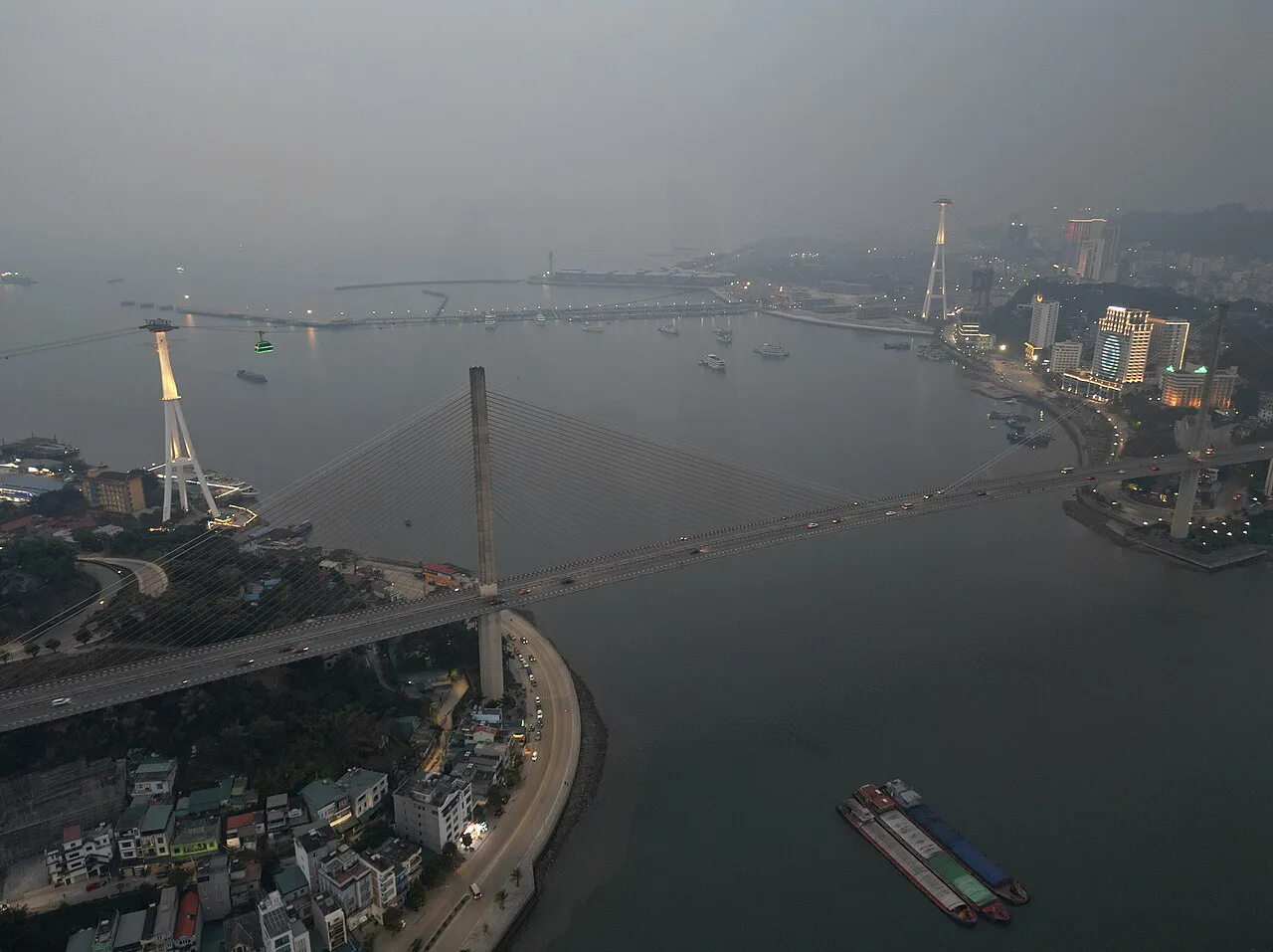
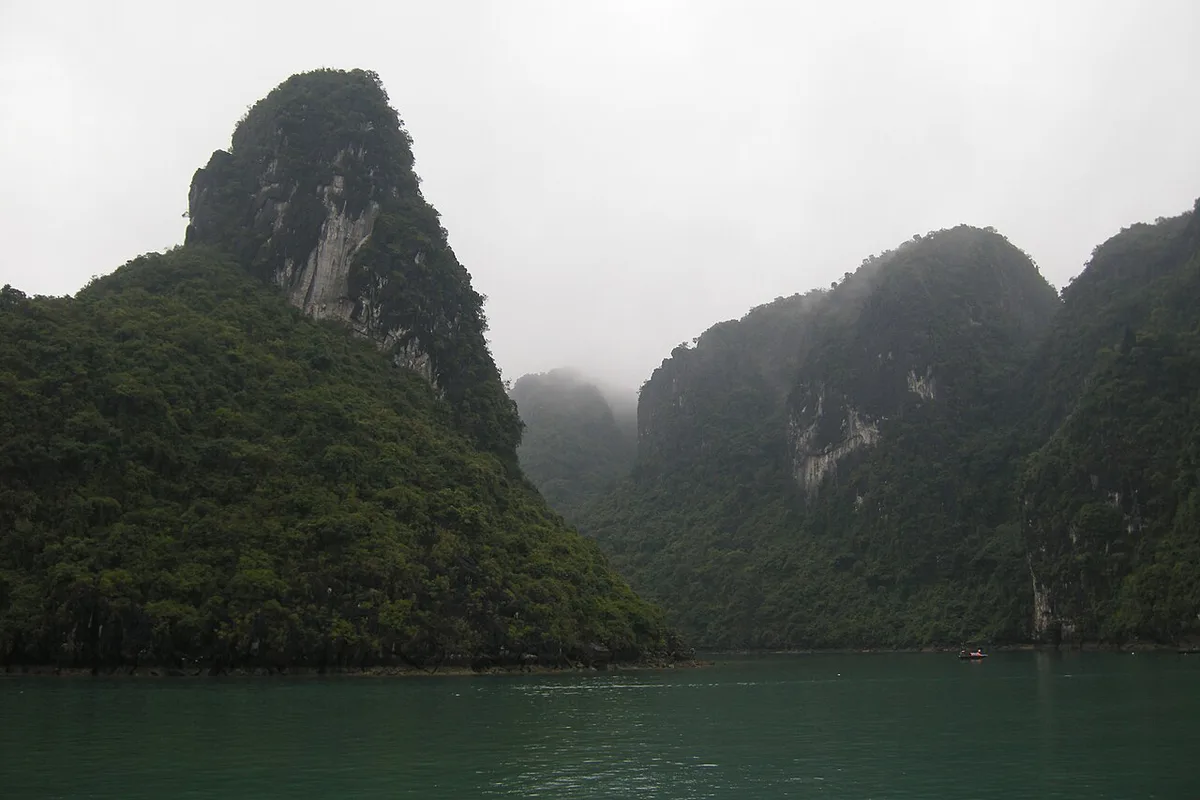
Featured image: Mustang Joe, CC0, via Wikimedia Commons.
Ha Long Bay Weather at a Glance
Ha Long Bay has a humid tropical monsoon climate with four seasons. Day-to-day, though, it behaves like two halves. Summer runs May to September with highs near 32°C (90°F) and rain peaking in August at about 262 mm. Winter runs October to April, with January lows near 14°C (57°F). Figures below are typical operator and climate-table values, and they differ slightly between sources and years. Use them as planning ranges.

| Season | Months | Typical temperature | Rain | Typhoon risk | Crowds |
|---|---|---|---|---|---|
| Spring | Mar-Apr | 18-27°C (64-81°F) | Low, 38-48 mm a month | Low | High with international visitors |
| Summer | May-Aug | 24-32°C (75-90°F) | Heavy, 156-262 mm a month | Highest in Jul-Aug | Domestic peak |
| Autumn | Sep-Nov | 19-31°C (66-88°F) | Falling fast, Oct 50-58 mm | Late storms possible in Sep | High in Oct-Nov |
| Winter | Dec-Feb | 14-22°C (57-72°F) | Very low, 10-22 mm | Minimal | Low, spikes at Tet |
Ha Long Bay Weather by Month
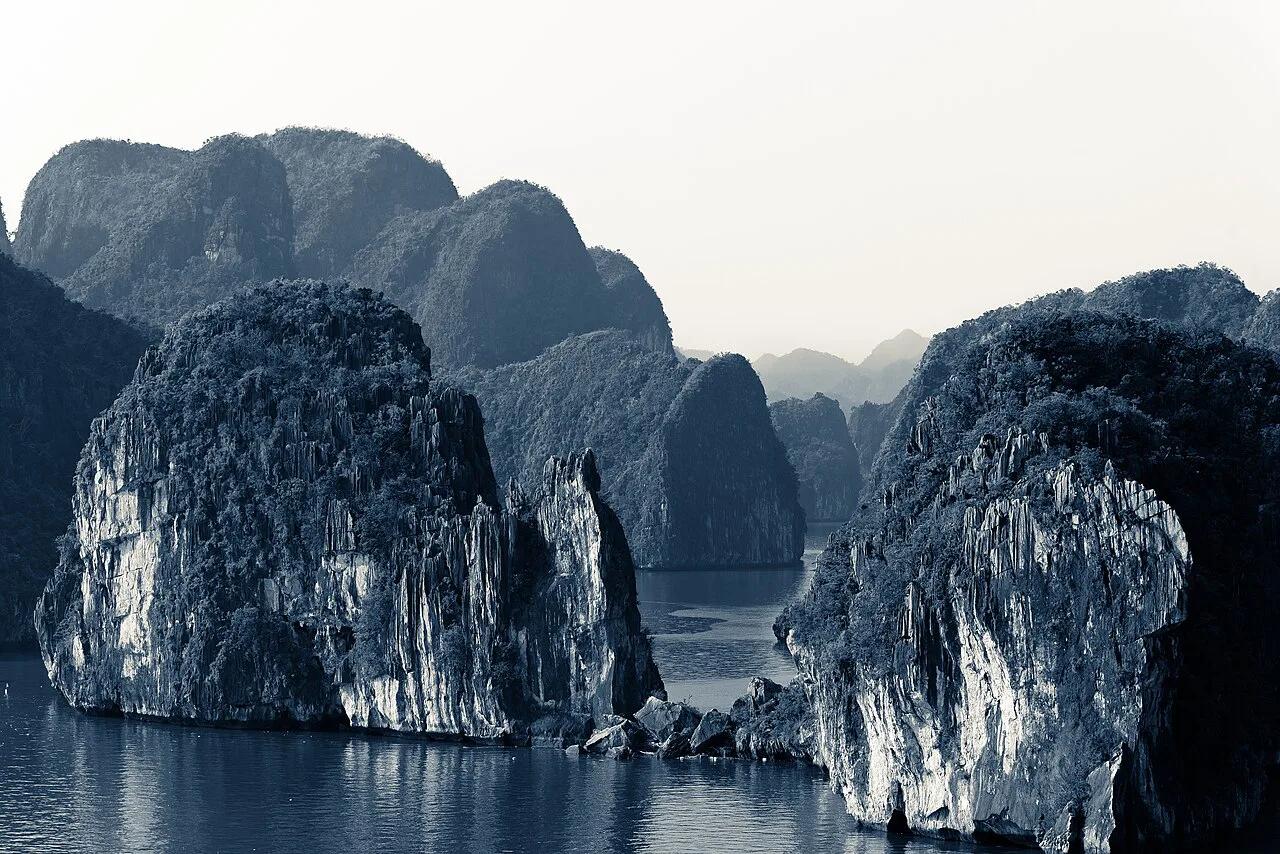
This convention treats autumn as September to November, and winter as December to February. Other pages shift those edges by a month, so compare dates rather than season names. Highs and lows below are daily figures. Month-specific detail lives in our winter weather guide and the page on December conditions.
| Month | High / low | Rain | Planner's note |
|---|---|---|---|
| January | 20 / 14°C (68 / 57°F) | 15 mm | Coldest month, morning fog |
| February | 21 / 15°C (70 / 59°F) | 22 mm | Tet crowds and prices in late Jan or Feb |
| March | 23 / 18°C (73 / 64°F) | 38 mm | Misty mornings, clearing skies |
| April | 27 / 21°C (81 / 70°F) | 48 mm | Warm; book early for Apr 30-May 1 |
| May | 30 / 24°C (86 / 75°F) | 156 mm | Rain jumps; domestic holidays start |
| June | 32 / 26°C (90 / 79°F) | 179 mm | Short, sudden downpours |
| July | 32 / 26°C (90 / 79°F) | 201 mm | Low prices, storm cancellations likely |
| August | 32 / 25°C (90 / 77°F) | 262 mm | Wettest month |
| September | 31 / 24°C (88 / 75°F) | 190 mm | Improving; Sep 2 national holiday |
| October | 31 / 24°C (88 / 75°F) | 50-58 mm | Clear skies, book ahead |
| November | 26 / 19°C (79 / 66°F) | 12-17 mm | Dry, crisp, peak season |
| December | 22 / 15°C (72 / 59°F) | 10-15 mm | Driest, cool, holiday surcharges |

Typhoon Season and Cruise Cancellations
Rain alone rarely stops a cruise, because captains simply shift to more sheltered water. Storms and typhoons are different. When one threatens, the port authority can limit or cancel departures. One operator reports the final call usually comes around 3 PM on departure day. Peak risk falls in July and August, which our rainy season guide covers in more depth. Summer rates can run 10-20% below peak, but that saving can vanish if a trip is cancelled. One operator charges $25 per person if a cruise is fully cancelled after guests reach the marina. It charges $95 per person if only a day cruise is permitted. Those are one company's terms, not a rule. Before paying, read the booking terms for refunds, rebooking and day-cruise charges. Avoid fixed-date July-August trips without refund terms.
- Does a full cancellation refund everything except lunch costs?
- What is charged if authorities allow only a day cruise?
- Is voluntary cancellation before the decision refundable?
- What happens if day two of a two-night trip is cut short?
What the Weather Changes on the Water
Match conditions to activities before you choose a package. Rain and light wind usually change routes, not departures. Fog and storms change everything else.
| Condition | Cruise | Caves (Sung Sot) | Kayak / swim | Flights | Ti Top climb |
|---|---|---|---|---|---|
| Morning mist | Runs, slower start | Open | Fine | Often delayed | Hazy views |
| Heat above 30°C (86°F) | Runs | Crowded, humid | Best swimming | Fine | Tiring midday |
| Steady rain | Reroutes to sheltered water | Slippery steps | Poor | Possible disruption | Skip it |
| Storm or typhoon | Cancelled | Closed in practice | Cancelled | Cancelled | Cancelled |
| Cold below 18°C (64°F) | Runs | Comfortable | Too cold for swimming | Fine | Pleasant |
Fog, Mist and Visibility
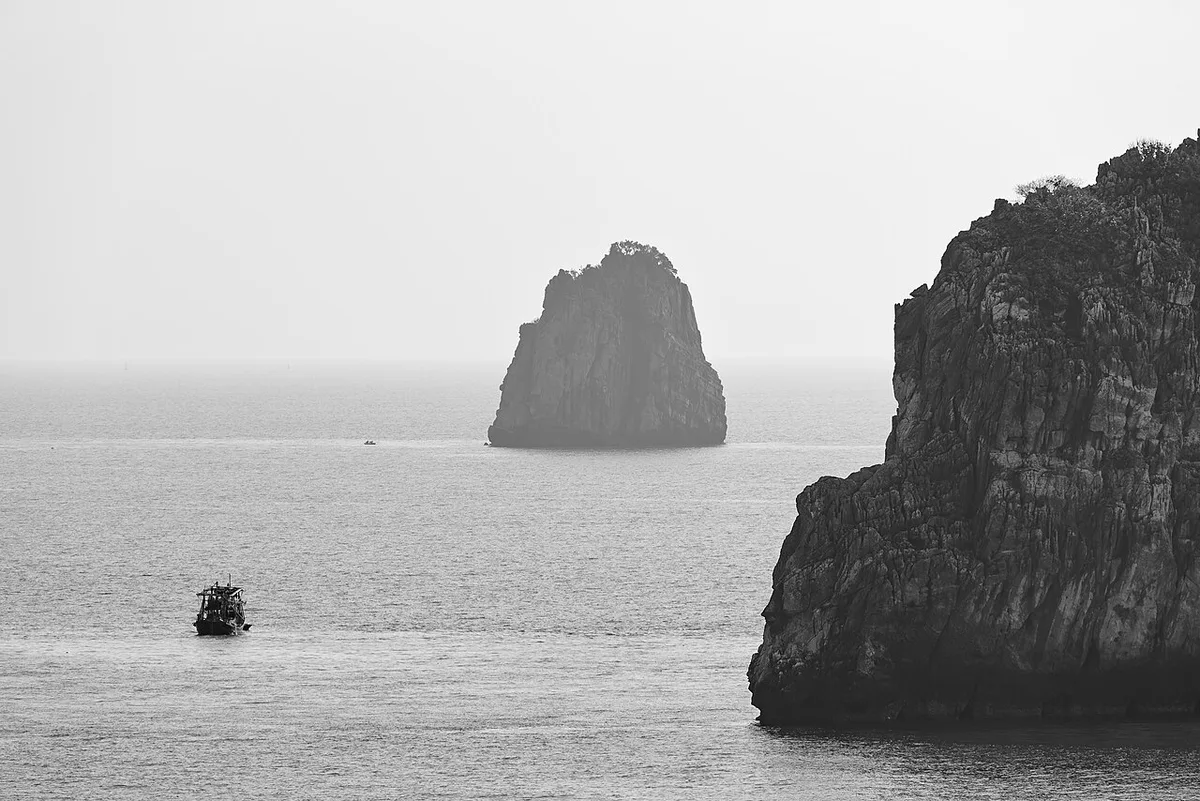
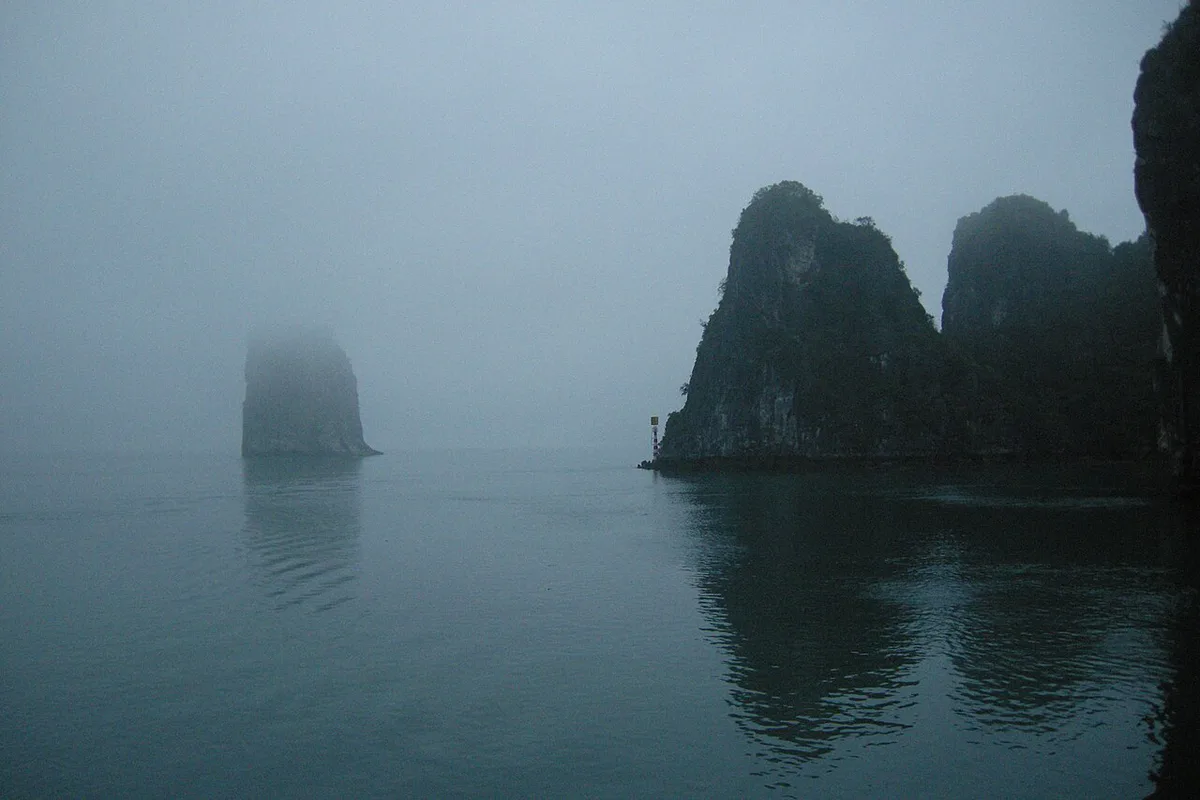
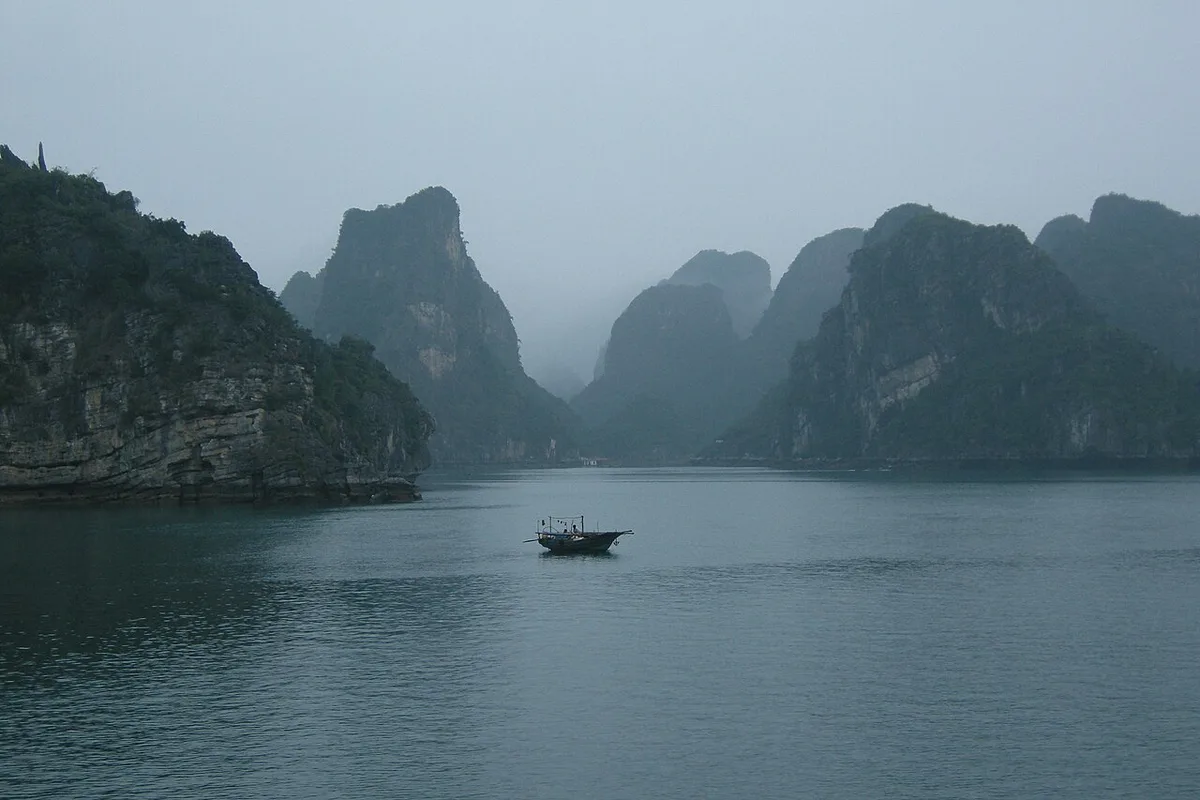
Mist is most common from December to March. Operators report it rising around 6-7 AM and lifting by about 10-11 AM. Photographers get moody karst silhouettes at dawn, while seaplane and scenic flights may slip until visibility improves. Schedule flights for the afternoon in winter. October and November offer the clearest sightlines for distant islands.
Best Time to Go by Traveler Type
Swimmers and families can accept summer risk for 32°C (90°F) days and warm water. First-timers on fixed dates do best in March-April or October-November. Photographers should pick March for mist or October for clarity. Cold-averse visitors should skip December to February unless on-board comfort is the point. Budget travelers can target May-June for lower rates with fewer storms than July-August. Pack layers for winter, since January lows reach 14°C (57°F), and bring rain gear and a waterproof bag for summer.
- Fixed dates: March, April, October, November
- Flexible and frugal: May, June, early September
- Photography: March mist, October clarity
- Quiet: late November to January, except Tet
How to Read the Forecast Before You Book
The first seven days of a forecast are far more reliable than days eight to fourteen. Do not lock in decisions from a 14-day forecast on day one. Check the national hydro-meteorological forecasting centre for storm bulletins. Recheck daily in the week before departure and again that morning. For cruise notices and local operating news, see the Quang Ninh tourism portal. Decide on rebooking only inside the seven-day window.
Final cancellation calls can land around 3 PM on departure day, so the morning recheck matters.
Bad-Weather Plan B
Ha Long city has museums, markets and seafood restaurants for rainy afternoons. Bai Chay Market and Cat Ba Island Market suit wet days. On board, expect cooking classes and spa treatments. Hanoi sits about 156 km away, roughly a 2-3 hour drive, which makes it a fallback if a storm cancels your sailing. A longer stay means more exposure to cancellation, but a better chance of one clear window.
Hanoi, 156 km away, is the fallback when a storm grounds your sailing, and it is reachable by road in 2-3 hours.
Frequently Asked Questions
What is the weather like in Halong Bay in November?
November is dry and cool, with highs near 26°C (79°F) and lows near 19°C (66°F). Rain is typically 12-17 mm for the month. It is peak season, so book cruises early.
Is it cold on a Halong Bay cruise?
Yes, from December to February. Lows can reach 14°C (57°F) in January, and wind on deck feels colder. Pack a jacket, long pants and closed shoes.
Useful notes for your Vietnam trip
Optional updates to our guides.
You might also like


Continue reading
More guides you'll find useful