Ha Long Bay in Winter: Weather, Cruises & What to Expect
Is winter a good time for Ha Long Bay? Weather by month, cruise comfort checks, what to pack and who should skip it.
On this page
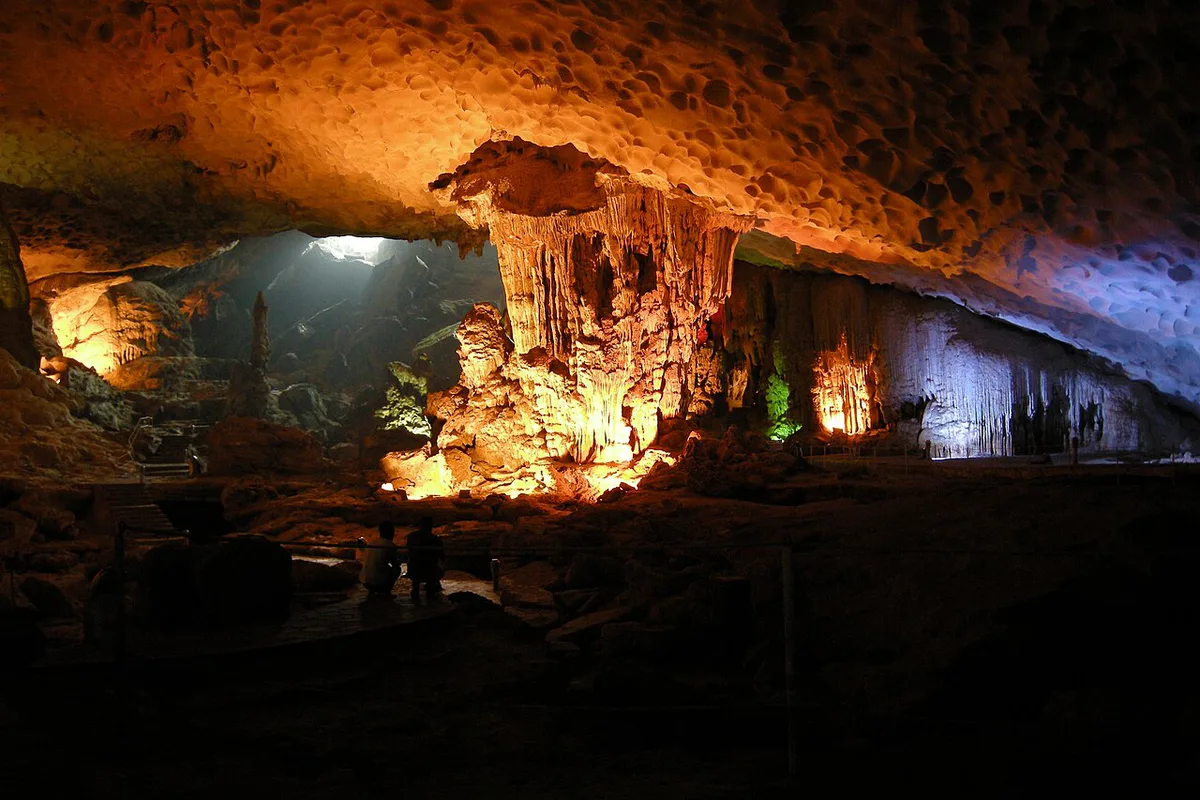
Last updated November 2026. Ha Long Bay in winter suits sightseeing, caves and photography, but not swimming or beach days. Expect cool air, morning mist and some overcast spells instead of blue-sky postcards. Daytime highs mostly sit between 20°C (68°F) and 22°C (72°F), so a jacket matters more than swimwear.
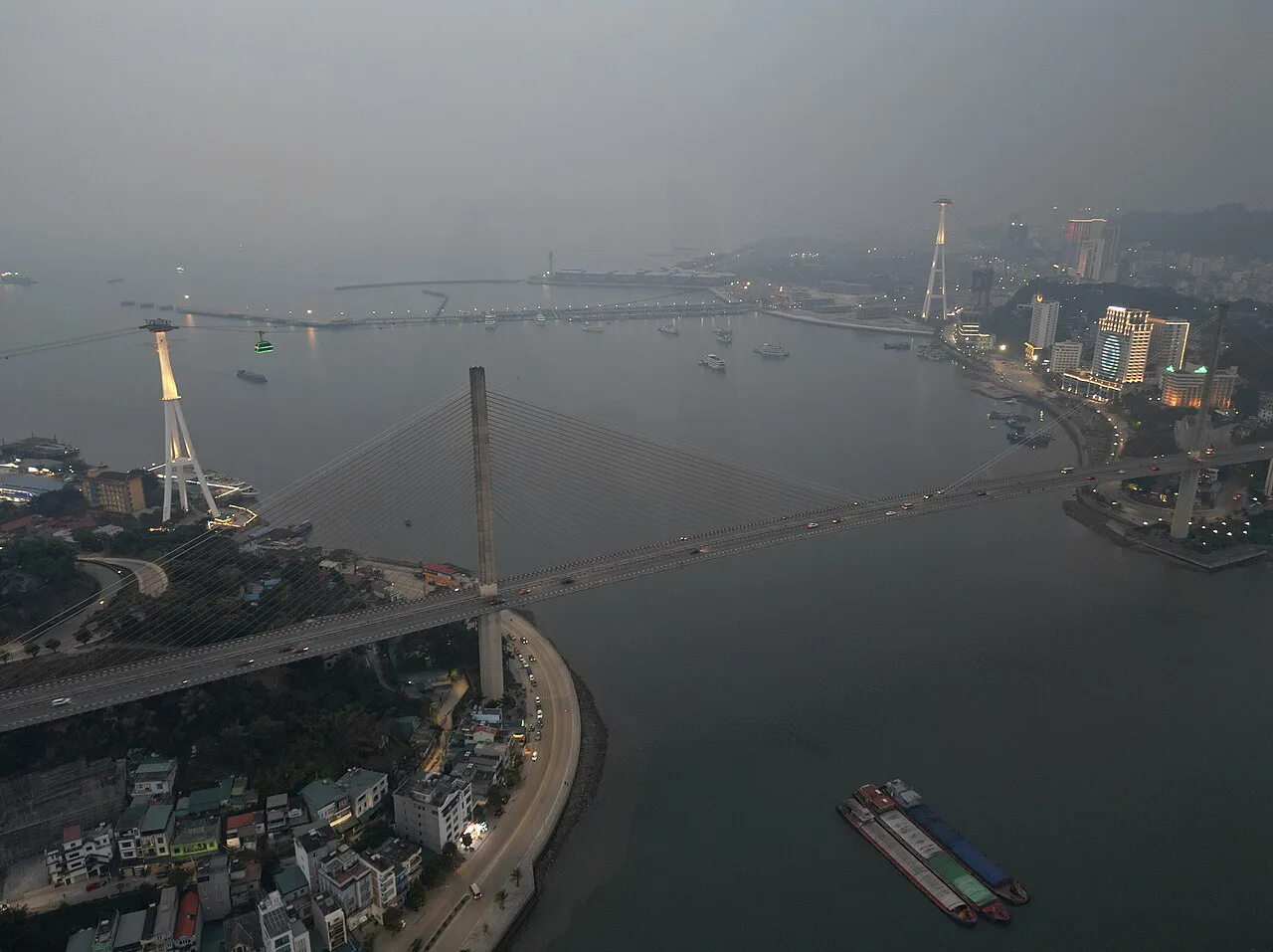
Featured image: Nguyễn Thanh Quang, CC BY 3.0, via Wikimedia Commons.
Is Ha Long Bay in winter worth it?
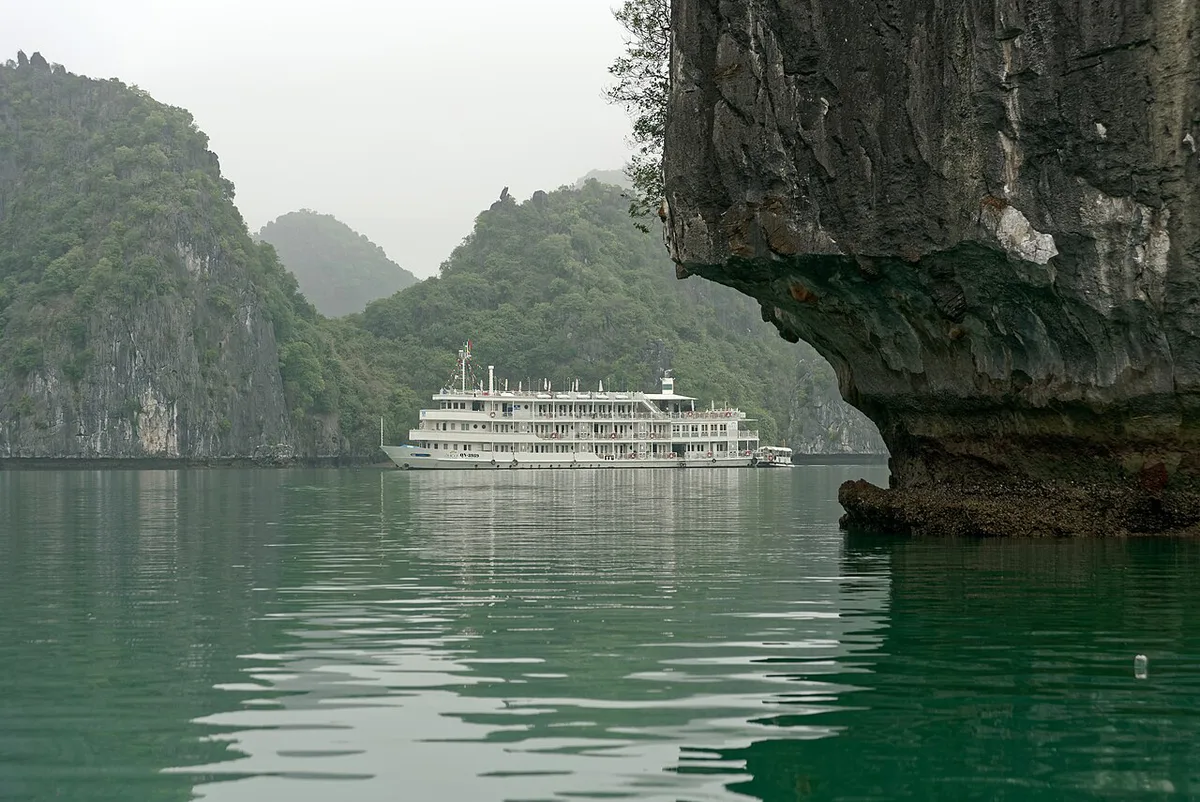
Yes, if you want atmosphere and comfortable sightseeing. This guide defines winter as December to February, with November and March as shoulder months. The trade-off is simple: cool, hazy or misty weather against dry, calm conditions. Mist can cut visibility, and a hazy day flattens the karst views.
- Good fit: photographers, cave and sightseeing travelers, people who dislike heat, and viewpoint hikers.
- Skip or adjust: swimmers, sunbathers and anyone expecting blue-sky beach photos.
- Adjust: families with small children, because open decks get cold after dark.
Ha Long Bay weather in winter (Dec–Feb)
Winter is the dry season. December rainfall runs about 10–15 mm, January about 15 mm and February about 12 mm, according to published monthly averages. Sources differ on exact figures, so treat the table as a range. Cold fronts can pull lows down to about 8°C (46°F) for a few days. Sea temperature is reported near 21°C (70°F), which is too cold for most swimmers. Check the forecast from the national hydro-meteorological service within 7 days of departure. For the full-year picture, see our Ha Long Bay weather guide.
| Month | Typical high / low | Rainfall | Best for |
|---|---|---|---|
| November (shoulder) | 26°C (79°F) / 19°C (66°F) | About 12–17 mm | Last easy swim weather, clear views |
| December | 22°C (72°F) / 15°C (59°F) | About 10–15 mm | Clear days, cruises, Christmas crowds |
| January | 20°C (68°F) / 14°C (57°F) | About 15 mm | Mist photography, caves, quieter decks |
| February | 21°C (70°F) / 15°C (59°F) | About 12 mm | Caves and viewpoints, Tet closures possible |
| March (shoulder) | 23°C (73°F) / 18°C (64°F) | About 38 mm | Warmer days, higher humidity |
Winter pros and cons
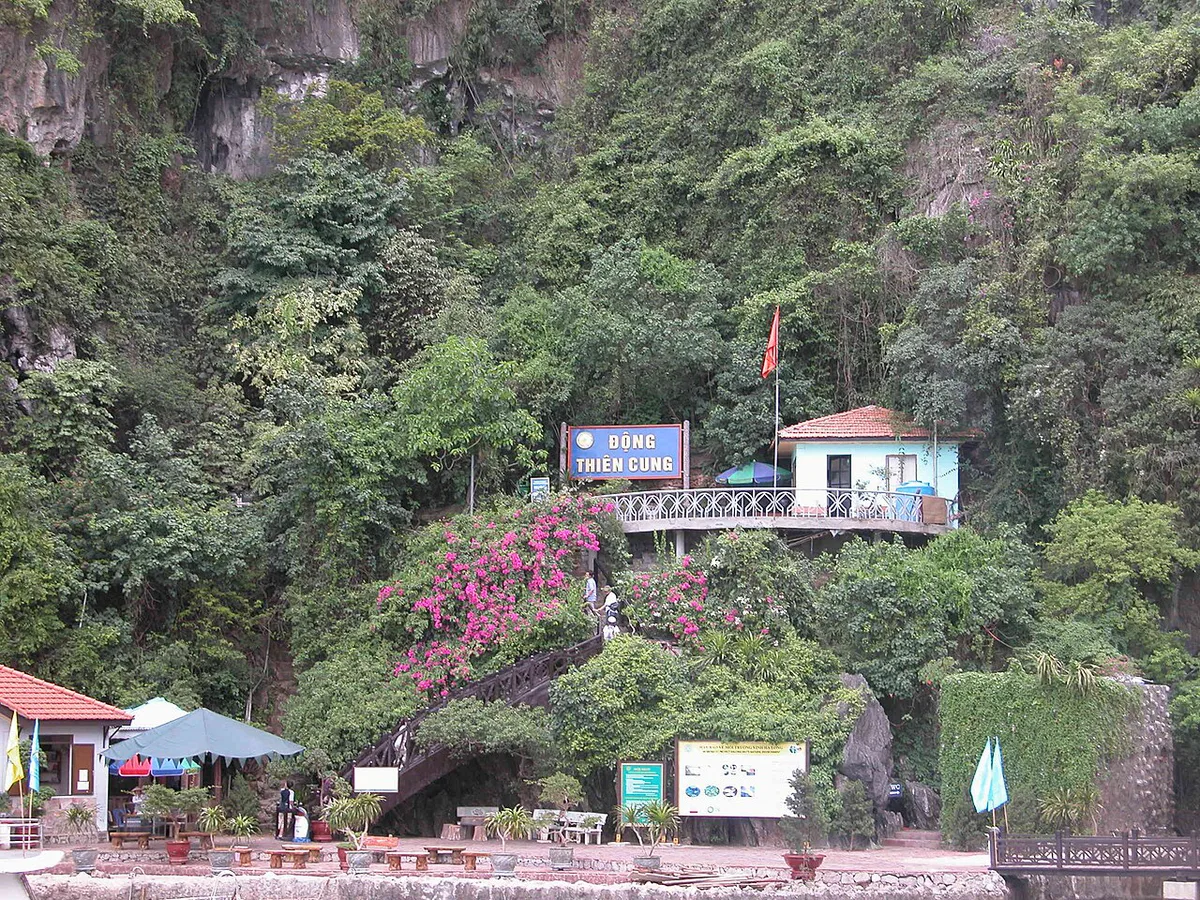
Winter trades heat and crowds for mood and comfort on shore. Weigh both sides before you book.
Day cruises last 4–8 hours, so a short trip limits time on cold decks once the sun drops early.
- Pro: low rainfall, around 10–15 mm in December and 12 mm in February, so most days stay dry.
- Pro: cool air makes the climb to cave entrances easier.
- Pro: misty mornings reveal the limestone peaks slowly, which photographers like.
- Con: haze or overcast skies can flatten views.
- Con: strong winds can change an itinerary.
- Con: sunsets come early, near 5:45 PM in January.
What to do in Ha Long Bay in winter
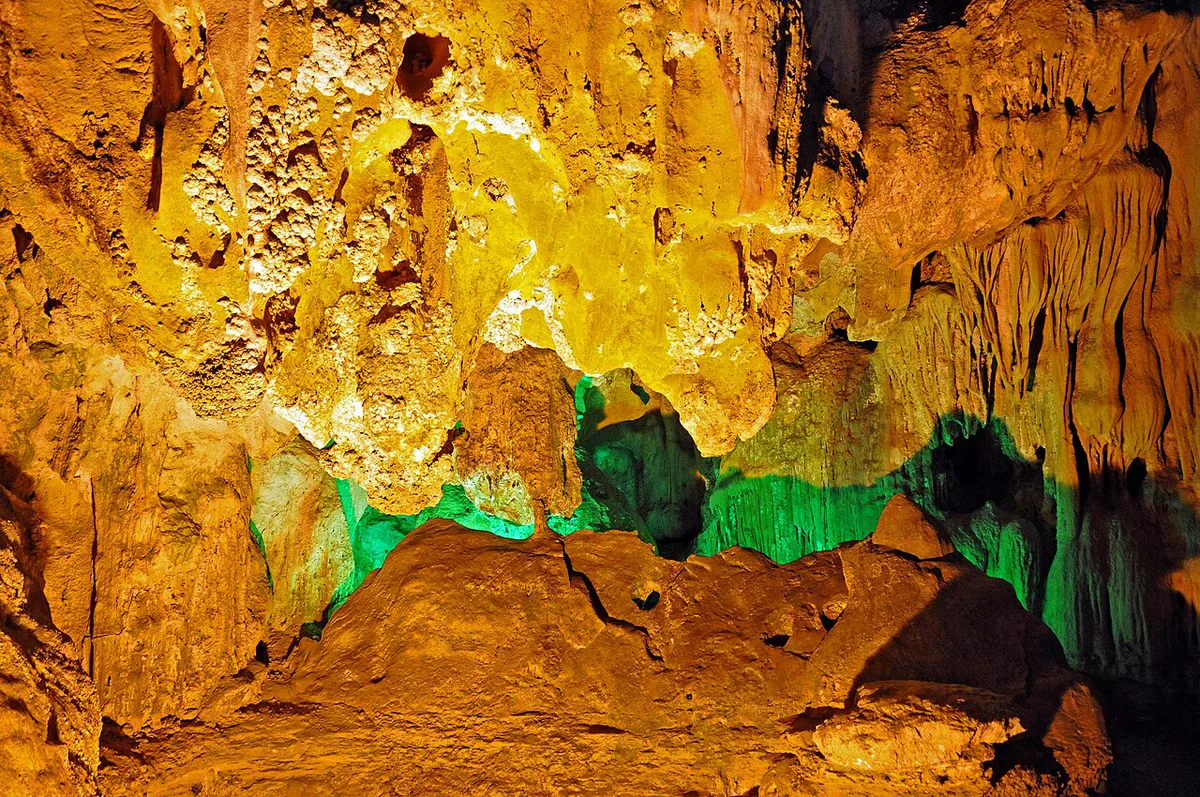
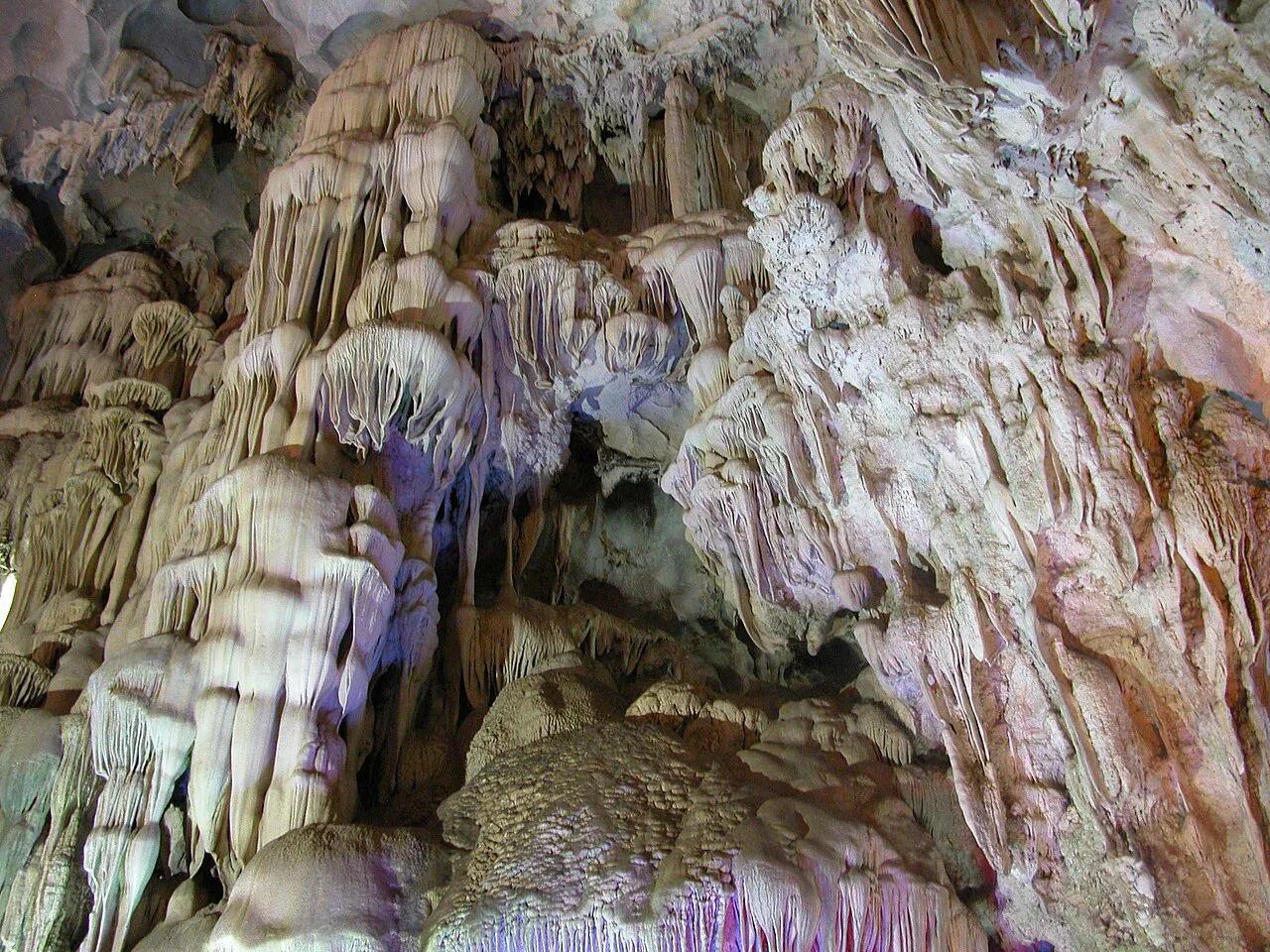
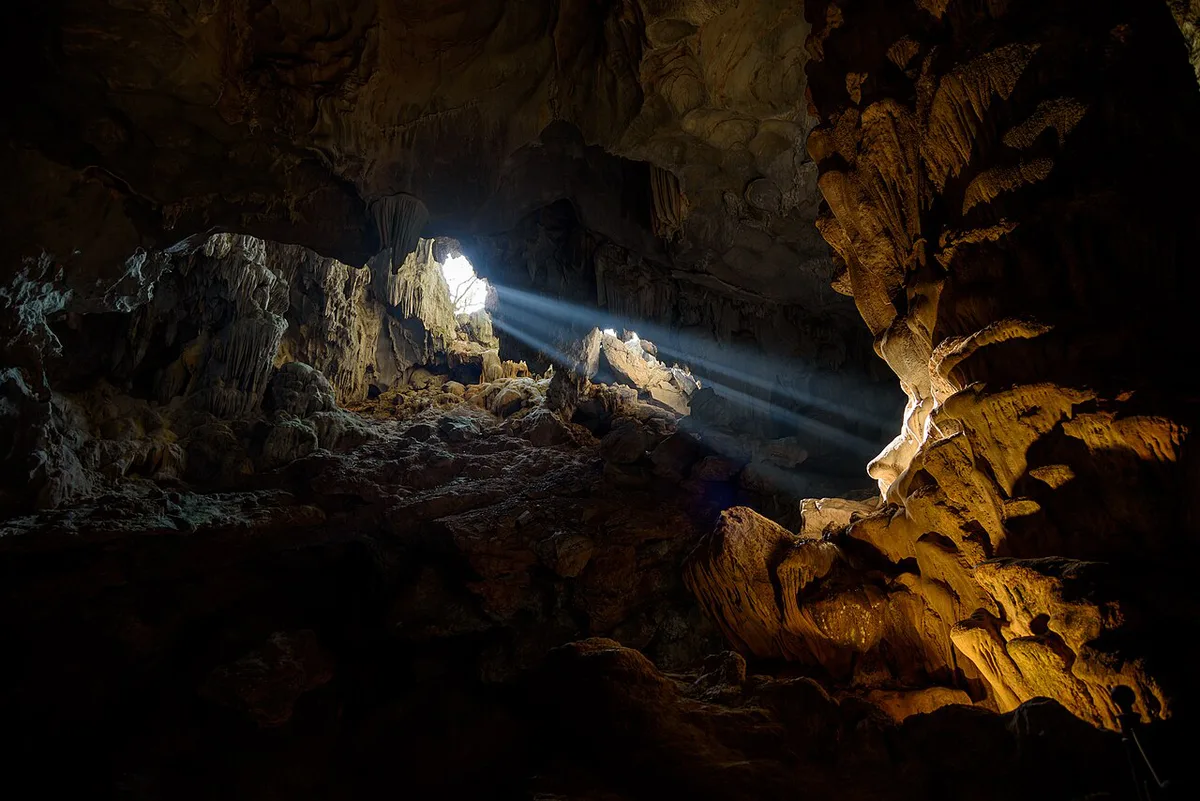
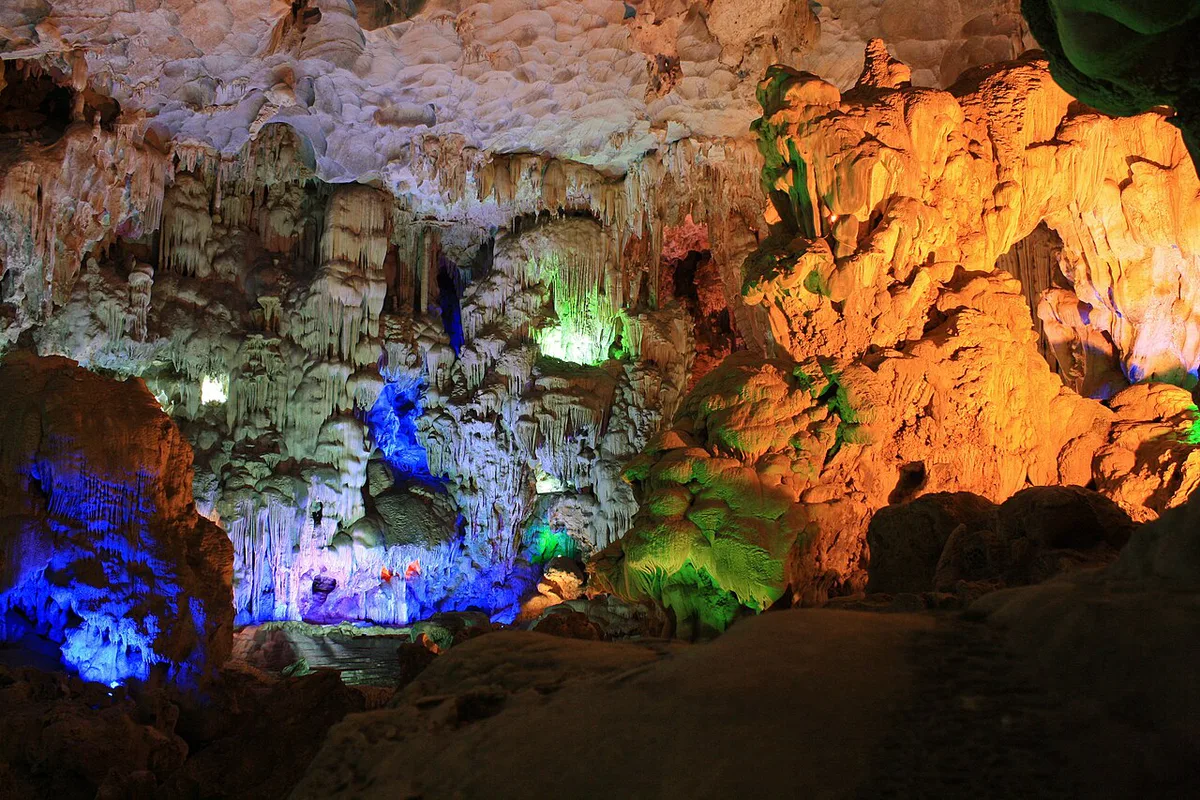
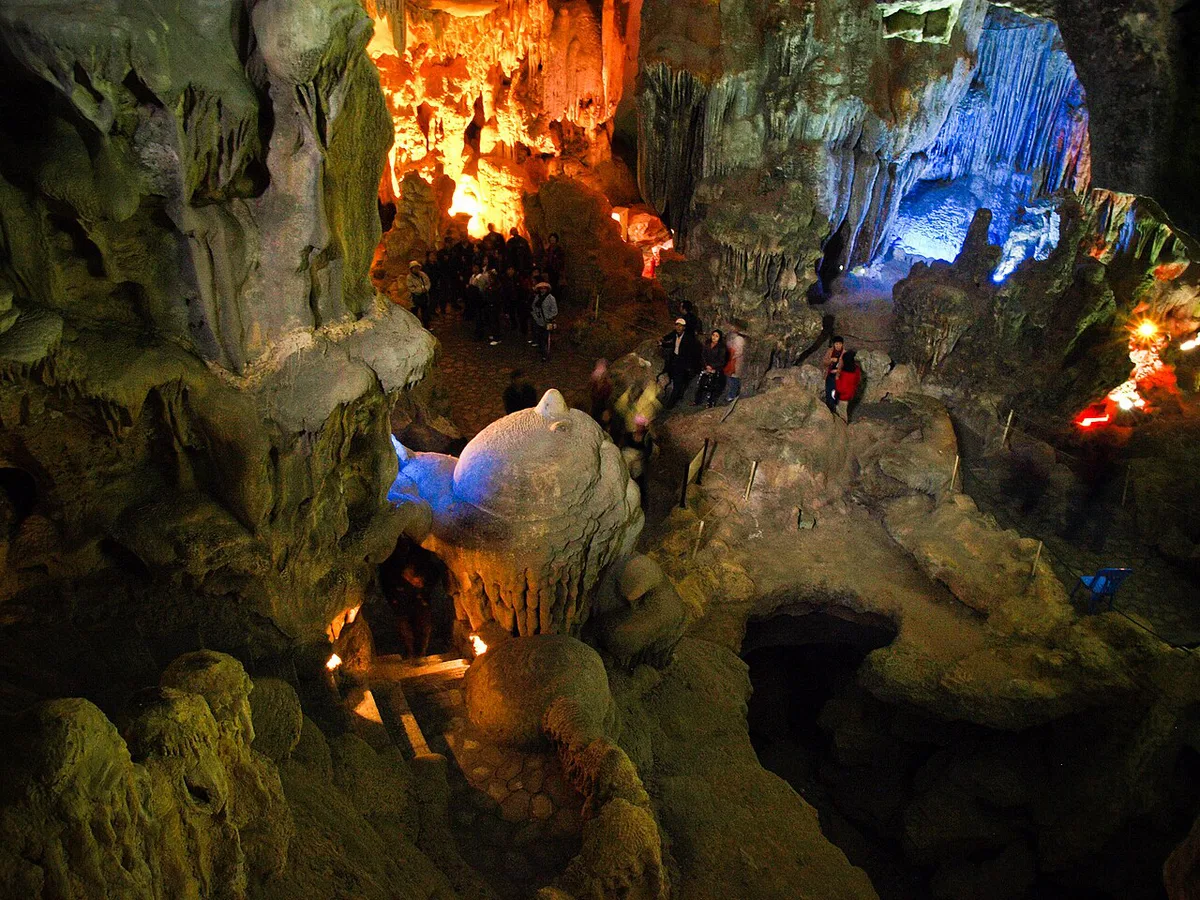
Caves are the safest bet. Sung Sot and Thien Cung stay comfortable in cool weather, and the interiors feel mild. Kayaking still runs on calm days, but the water and wind feel cold, so ask your operator if it is offered at all. Floating villages such as Cua Van and Vung Vieng suit winter, because visits happen in a small boat. Early deck time rewards photographers when mist lifts off the peaks. Dress warmly, since mornings can feel colder than Hanoi.
- Caves (Sung Sot, Thien Cung): good in any winter weather.
- Kayaking: calm mornings only, and bring a windproof layer.
- Floating villages (Cua Van, Vung Vieng): reduced visibility can still work.
- Titop Island viewpoint: pick a clear day for the best outlook.
- Misty-morning photography: be on deck at first light.
How to choose a winter cruise
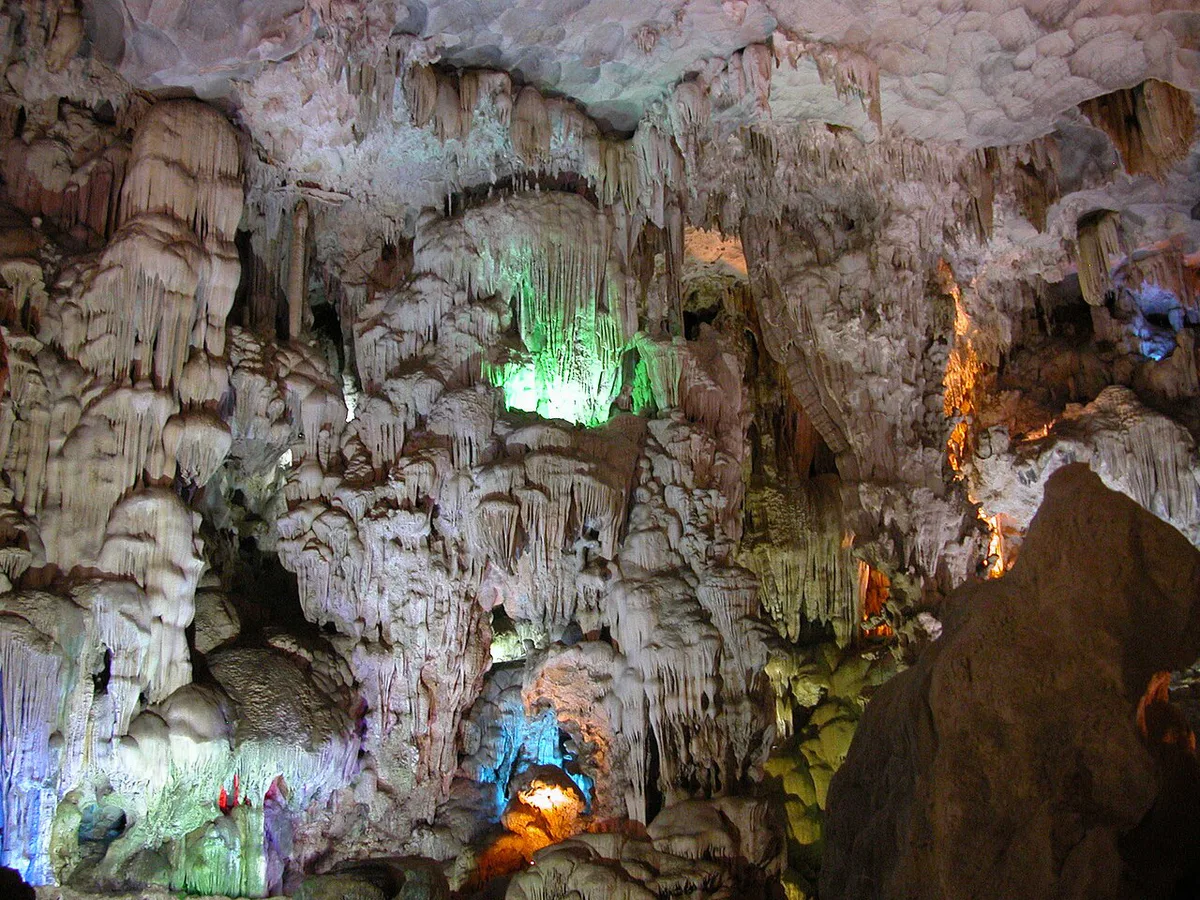
A day cruise covers 4–8 hours and spares you a cold night on deck. A 2D1N cruise adds sunset and sunrise, and it is the usual middle choice. A 3D2N cruise reaches quieter water but means more hours in cool air. Bai Tu Long and Lan Ha are quieter than the main bay, though sailing is longer. Ask these questions before booking:
- Is there heating in the cabin, not just the lounge?
- Is the dining and lounge area enclosed?
- Is hot water reliable in the shower?
- Does the upper deck have a cover?
- Are kayaking and swimming offered in winter?
- What happens if the cruise is changed or cancelled for weather?
Costs and what winter changes
Seller listings in 2026 show starting prices from about $101 for a budget 2D1N cruise up to $354 for a luxury 3D2N cruise. These are indicative and vary by operator. Prices and hours checked November 2026. Budget boats have basic facilities and larger groups. Deluxe boats add private en-suite cabins. Luxury boats add heated cabins and spas. Book early for Christmas and New Year, when demand rises.
Winter events and holidays
New Year's Day on January 1 brings festive menus on the water. Tet, the Lunar New Year, falls in late January or February, and the date moves yearly. Some attractions may close then, and domestic travel peaks around it. Confirm the Tet dates for your year before choosing dates.
Planning your days from Hanoi
Sunset can fall near 5:45 PM in January, so plan deck time before then. Ask your operator for the Hanoi pick-up point and transfer length, and see the Quang Ninh tourism portal for site details.
- Day 1: Hanoi pick-up, board by midday, Sung Sot Cave, Titop Island viewpoint, sunset on an enclosed deck.
- Day 2: misty sunrise, Cua Van or Vung Vieng floating village, brunch, return to Hanoi.
- Hazy or cancelled: head back to Hanoi and visit a museum instead.
What to pack
Pack layers, a windproof outer jacket and a scarf or cap. Non-slip shoes help on wet cave steps and decks. Bring a camera for the mist, and warm socks for evenings, when temperatures can near 15°C (59°F).
Cold fronts can pull lows to about 8°C (46°F), so pack for evenings that can still feel cooler than the 15°C (59°F) mark.
Winter vs other seasons
Winter beats summer for comfort, but summer wins for swimming. Our best time to visit guide compares all months. If you are narrowing dates, read about Ha Long Bay in December: Weather, Mist, Cruises & Costs. For the wet contrast, see the rainy season.
| Season | Typical high / low | Rainfall | Best for |
|---|---|---|---|
| Winter (Dec–Feb) | 20–22°C (68–72°F) / 14–15°C (57–59°F) | About 10–15 mm per month | Caves, mist, photography |
| Spring (Mar–Apr) | 23–27°C (73–81°F) / 18–21°C (64–70°F) | About 38–48 mm | Warmer sightseeing, first swims |
| Summer (Jun–Aug) | 32°C (90°F) / 25–26°C (77–79°F) | About 179–262 mm | Swimming, storm cancellations possible |
| Autumn (Sep–Oct) | 31°C (88°F) / 24°C (75°F) | About 50–190 mm | Clear skies, peak season |
Frequently Asked Questions
What is the weather in Halong Bay in December?
December is dry and cool, with highs near 22°C (72°F) and lows near 15°C (59°F). Rainfall is about 10–15 mm. Evenings feel colder, so pack warm layers.
Is it cold on a Halong Bay cruise?
Yes, mornings and nights on deck feel cold, especially in January. Ask whether cabins have heating and the lounge is enclosed. Wear layers and a windproof jacket.
Useful notes for your Vietnam trip
Optional updates to our guides.
You might also like


Continue reading
More guides you'll find useful