
Sapa Market (Chợ Sapa): Where It Is, What to See and How Long to Allow

Sapa Market, known in Vietnamese as Chợ Sapa, is the everyday central market of Sapa town and entry costs nothing. Allow roughly 45 to 90 minutes if you want to browse both the food side and the craft stalls without rushing. This guide covers where the market sits, how to walk there, what each part sells, when it fills up, and which nearby sights fit around a visit.
Confusingly, several different markets around Sapa carry similar names, and mixing them up is the most common planning error. The central market near Sapa stone church is a daily, all-purpose town market, while the Sapa night market near the lake is an evening affair and the Sunday gathering draws ethnic communities in from the surrounding hills. This page stays on the central market and treats the others only as separate options.
Where Sapa Market sits in Sapa town
The market occupies the center of Sapa town, a short stroll from the stone church that anchors the old town core. One local hotel describes its own property as roughly 300 meters from the market, which gives you a sense of scale: almost anywhere in the central grid is within a ten-minute walk. Use the church as your landmark reference rather than a street address, since signage around the market area is inconsistent.
Because the market sits inside the town rather than on its edge, it works as a natural orientation point on your first morning. Walk the perimeter once to see how the stalls are laid out, then decide where to spend your time. If you are building a wider plan for the town, the full set of Sapa Attractions: 5 Visitor Guides covers the sights that sit within walking distance of this core.

How to get to Sapa Market
You reach the market on foot from nearly every guesthouse and hotel in central Sapa; there is no need for a taxi unless you are staying well outside town. From the church square, follow the flow of shoppers with baskets in the morning, which reliably leads you toward the produce stalls. Wear shoes with grip, because the ground around the stalls is uneven and often damp.
If you are arriving from a hotel on the town's edge, ask the front desk for the walking route rather than a distance in kilometers, since steep lanes make straight-line distances misleading. Many hotels near the center also brief guests on market schedules and can arrange transport to out-of-town markets, according to Chau Long Hotel's market guide. Confirm with your own hotel whether any lane closures or construction affect the approach before you set out.
What you'll find inside
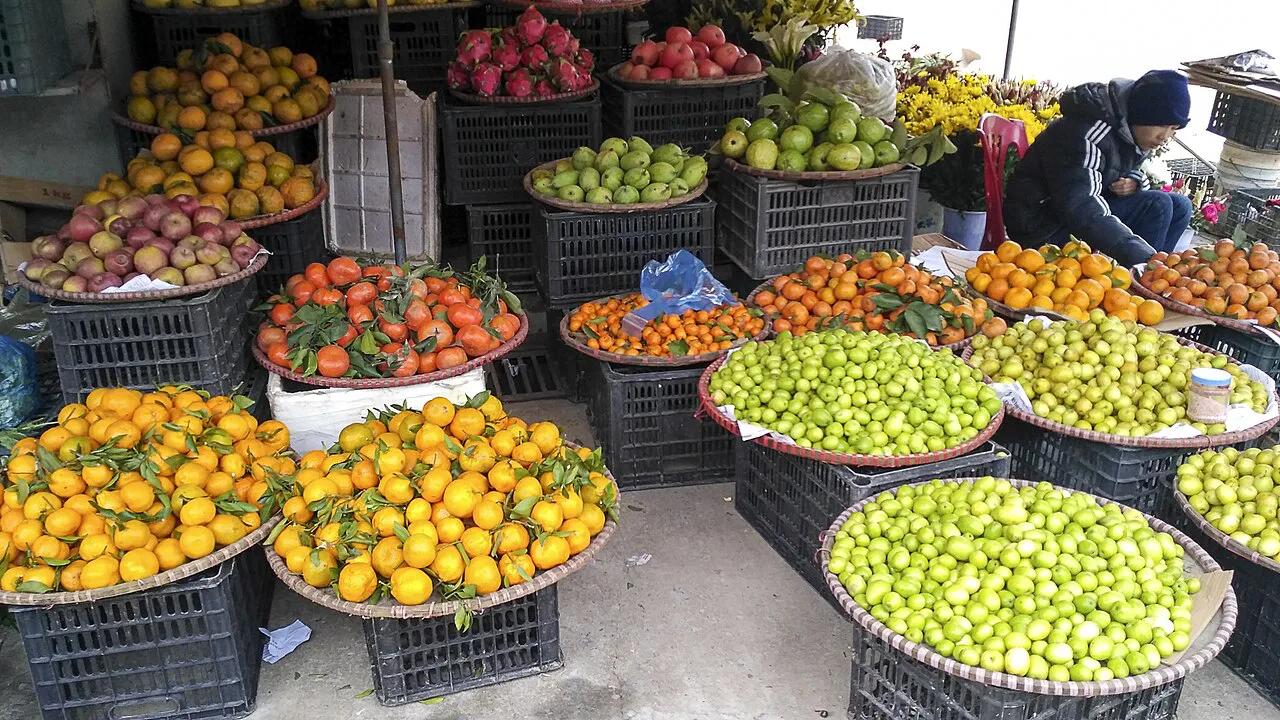
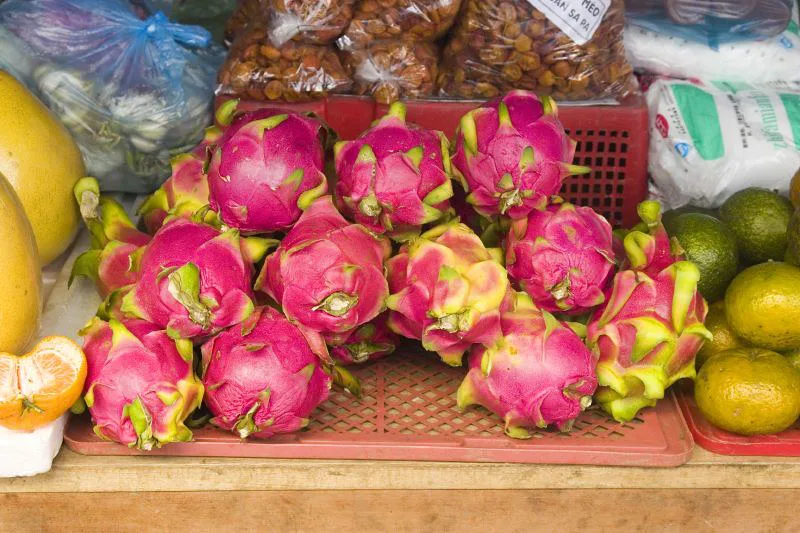
The food side is the market's working heart: baskets of fresh herbs, wild mushrooms and forest honey, plus dried goods, local rice wine and produce still wet with dew in the early hours. Viet Dove Travel describes Saturday and Sunday mornings as the liveliest window, when farmers and traders from surrounding areas arrive before sunrise. Bring small notes in Vietnamese dong, since change is easier to handle at busy stalls.
The craft side sells brocade textiles, embroidered bags and scarves, silver jewelry and small carved souvenirs. Vendors from the Black H'Mong and Red Dao communities are among the most visible sellers, often in traditional dress, which makes the market a good place to see the textiles in context before you buy. Ask which ethnic group a piece comes from if the pattern is unfamiliar; sellers are generally happy to explain.
Smoked buffalo, horse and dried beef are the mountain snacks to look for if you want something savory to carry on a trek. Herbal teas and spices are also worth browsing, since many are hard to find outside the northern highlands. Prices are not posted consistently, so compare a few stalls and ask directly before committing.
The market's daily rhythm
Sapa Market operates daily, according to Chau Long Hotel's guide, which lists hours of 6:00 AM to 6:00 PM and notes the morning as the most active stretch. That early window gives you the best produce, the least crowding and the best light for photographs. Hours can shift with the season and local custom, so confirm the current opening times with your hotel or at the market itself before making it your first stop.
Mid-morning is the trade-off point: the market is fully stocked, but it is also when the aisles are busiest. If quiet browsing matters more to you than selection, come at opening; if you want the full spectacle, accept the crush. Afternoon visits are calmer but the food side thins out as sellers pack up.
Sunday in Sapa: what changes
Sunday is the region's big market day, when ethnic communities travel in by motorcycle or on foot to trade, eat and meet. Viet Dove Travel advises arriving around 6:00 AM if you want to photograph or simply watch the gathering without fighting the crowds. Treat any Sunday schedule as something to confirm locally, since the pattern follows community custom rather than a fixed published calendar.
Most travelers find the Sunday scene inside town colorful but less extensive than the dedicated highland markets held elsewhere in Lao Cai province. If a large tribal bazaar is your priority, plan a separate day trip rather than expecting the central market to deliver it. If you only have a Sunday morning in town, the central market is still the easiest place to see the gathering without leaving Sapa.
How long to allow, and how to split the visit
Budget 45 minutes for a focused pass through the food side and 30 to 45 minutes more if you plan to compare brocade and silver. That puts a comfortable visit at around 90 minutes, which leaves the rest of the morning for the church square and a walk toward the lake. If you are shopping seriously for textiles, add time to inspect stitching and ask about origin.
A sensible order is food first, crafts second. The produce section is at its best early and you can buy snacks for later, then move to the craft aisles once the market has warmed up and vendors have finished setting out. Keep the two halves separate in your mind so you are not carrying shopping bags through crowded food aisles.
Shopping carefully: bargaining and quality
Bargaining is expected on crafts, and one local source suggests opening at roughly half to sixty percent of the asking price and negotiating politely with a smile. Treat that as a starting tactic rather than a rule, and be ready to pay a fair price for work you actually want. Never bargain aggressively over small amounts; the difference matters more to the seller than to you.
To tell handmade brocade from mass-produced copies, look at the back of the fabric: hand-embroidered pieces show irregular, densely worked stitching, while printed or machine-finished goods look uniform and thin. Ask the seller to describe how the piece was made, and buy from stalls where the seller can talk through the work. Cash is the norm, and card payment is rare at market stalls.
Cultural etiquette at Sapa Market
The market is a working place for local shoppers, so walk in small groups and avoid blocking aisles while you take photos. Always ask before photographing vendors; a smile and a gesture toward your camera is usually enough. Greeting sellers warmly goes a long way, since many are reserved at first and warm up quickly when treated with courtesy.
Buying at a fair price is itself a form of respect, and it supports families directly rather than intermediaries. If you are not going to buy, it is fine to look, but avoid handling goods you have no intention of considering. Keep voices low and let local shoppers move through first.
Practical constraints: crowds, ground and weather
Sapa sits high enough that mornings are cold and damp, and the market ground can be slick after rain. Dress in layers and carry a light rain shell even in a dry forecast. Avoid the mid-morning peak if you dislike crowds, and keep your belongings secure in the narrow aisles.
Cash, comfortable shoes and a small bag are the three practical essentials. If you are sensitive to smoke or strong smells, the food section will be intense, particularly around grilling and dried goods. Plan a breather at a nearby cafe between the food side and the craft side if you need one.
What's nearby
Sapa Stone Church (Nhà thờ đá Sapa) sits a few minutes away and is the natural next stop; its square is a gathering point in the evening. Sapa Lake (Hồ Sapa) is also within walking distance and is where the separate night market sets up, so a late-afternoon market visit can flow into an evening by the water.
The night market, according to BestPrice Travel, is usually held Friday to Sunday from 4:00 PM until 10:00 PM on N1 Street near the bus station, though it often stays busy later. That is a different market from the central one, so do not plan an evening visit expecting the daytime food stalls. If you want a longer walk, Ham Rong Mountain rises just beyond the town center and rewards the climb with views over the market roofs.
The Sapa Culture Museum is another indoor option near the center if rain interrupts your market plans, and it adds context to the textiles and customs you have just seen. For a broader list of what to pair with a market morning, the Things to Do in Sapa guide covers the town's main sights.
Out of town, Bac Ha Market is the best-known Sunday bazaar in the wider region and runs from morning until about 2:00 PM on Sundays, according to Vietnam Discovery, but it is a separate day trip and not part of Sapa town. Do not try to combine it with a relaxed morning at the central market.
Should you build your morning around Sapa Market?
Yes, if you want a free, low-commitment introduction to Sapa's food and textiles before committing to a trek or a bigger market day trip. Give it 45 to 90 minutes early in the morning, bring cash, and treat the craft stalls as a place to ask questions rather than to rush a purchase.
Skip the central market as a headline sight and you will not miss much scenery, but you will miss the easiest place in town to see Highland produce, brocade and daily life in one loop. Confirm current hours with your hotel before you go, since published times vary between sources and seasons.
Frequently Asked Questions
Is Sapa Market free to enter?
Sources describe the central market as an open town market you simply walk into, with no entry fee mentioned. Bring cash for purchases, since stalls generally do not take cards.
Is Sapa Market good for shopping?
It is good for textiles, silver jewelry, herbal teas and mountain snacks, provided you check quality and bargain politely. Serious buyers should compare several stalls rather than buying at the first one.
How does Sapa Market differ from the Sapa night market?
The central market is a daytime food and goods market near the stone church, while the night market near the lake runs in the evening on weekends per BestPrice Travel. They are separate places with different atmospheres.
Do I need to bargain at Sapa Market?
Bargaining is expected on crafts and one local source suggests starting around half to sixty percent of the asking price. Be polite, and pay fairly for good handmade work.
Sources
- Best Ethnic Markets to Visit in Sapa (Updated 2026 Guide)
- Bac Ha Sunday Market in Sapa, Vietnam - Highlights, What to Do
- Sapa Night Market Sapa: Travel Information 2026 - BestPrice Travel
- Sapa Market Secrets: A Shopping & Culture Guide for Chau Long Guests - Chau Long Sapa Hotel - 4 star hotel in Sapa