Po Nagar Cham Towers, Nha Trang: Hours, Tickets & Visit Tips
Planning a visit to Po Nagar Cham Towers in Nha Trang? Getting there, tickets, dress code, best time to go and how to pair it with other stops.
On this page
Last updated November 2026: Po Nagar Cham Towers, locally called Thap Ba, is an active temple on Cu Lao Hill beside the Cai River. Plan on roughly 45 to 90 minutes on site, which is an editorial estimate. Culture and history fans and anyone needing a low-cost half-day filler get the most from it, while beach-only travellers can skip it.

Featured image: RG72, CC BY-SA 4.0, via Wikimedia Commons.
What Po Nagar Cham Towers Are and Why They Matter
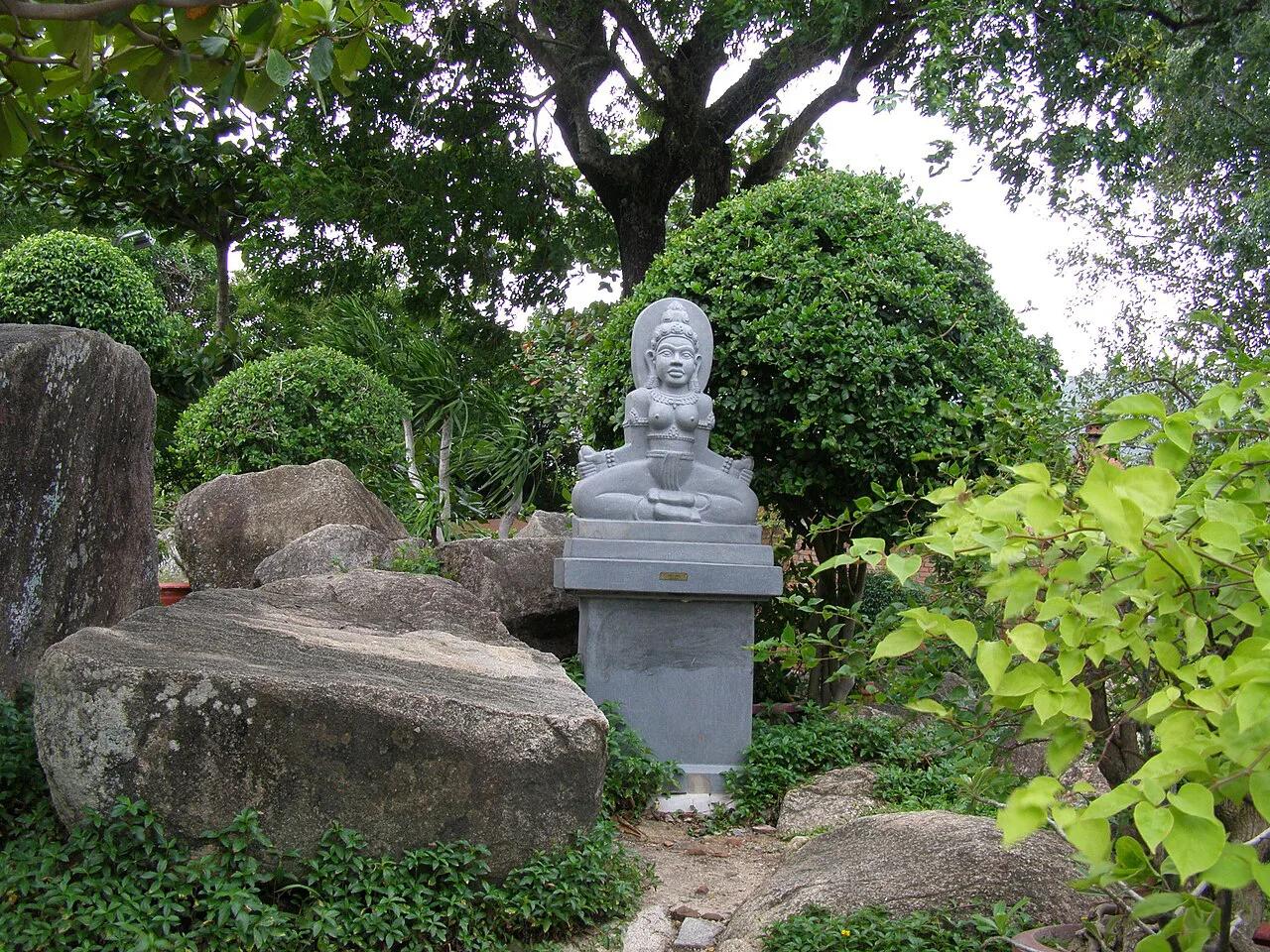
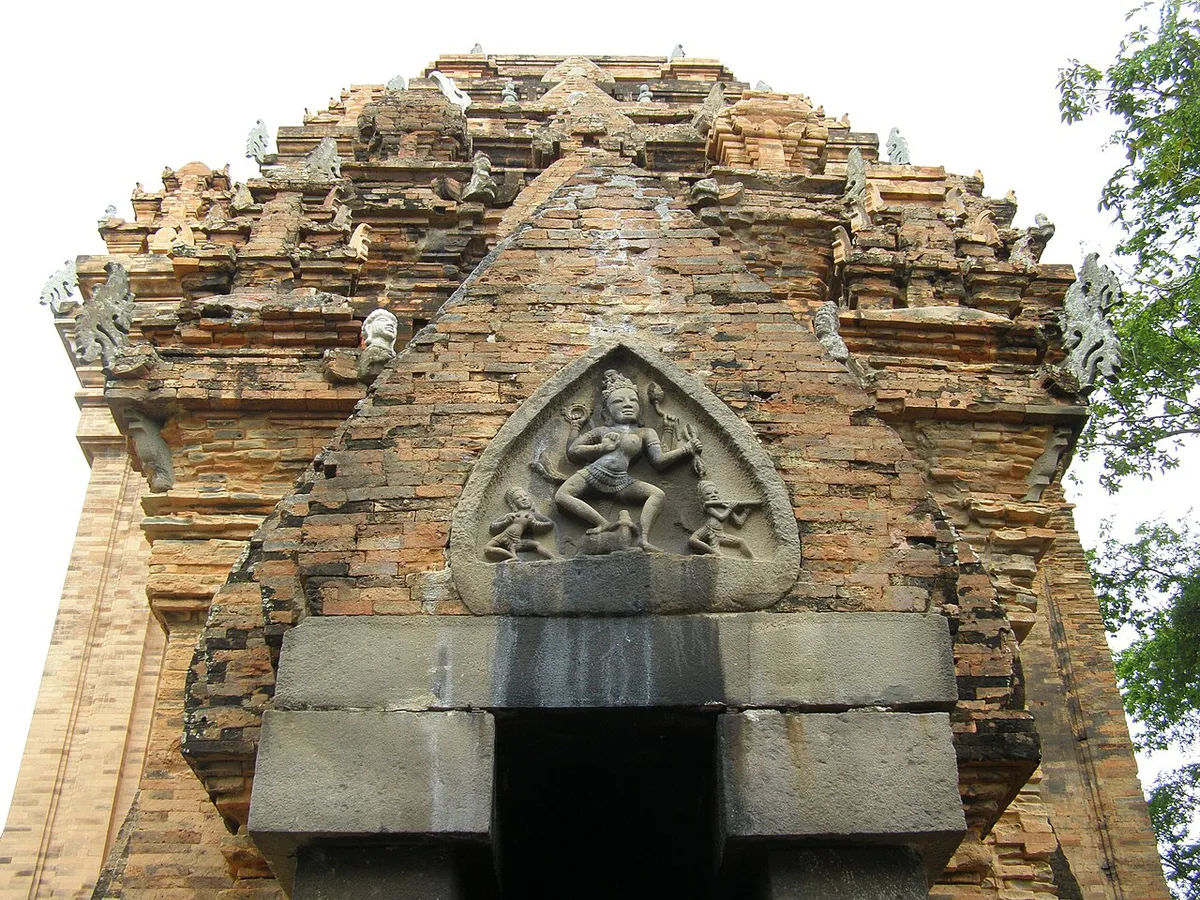
Locals call the complex Thap Ba, meaning the Lady Tower. Cham builders dedicated it to Yan Po Nagar, the mother goddess of the Cham people. Brickwork runs from roughly the 8th century onward, and the North Tower is dated to AD 817. Four brick towers survive from a larger original complex.
Worship continues here today. Vietnamese Buddhist devotion now sits alongside Cham Hindu tradition, so you will see incense and offerings, not just ruins. That makes it a place for a quiet visit rather than a quick photo stop.
What to See on Cu Lao Hill
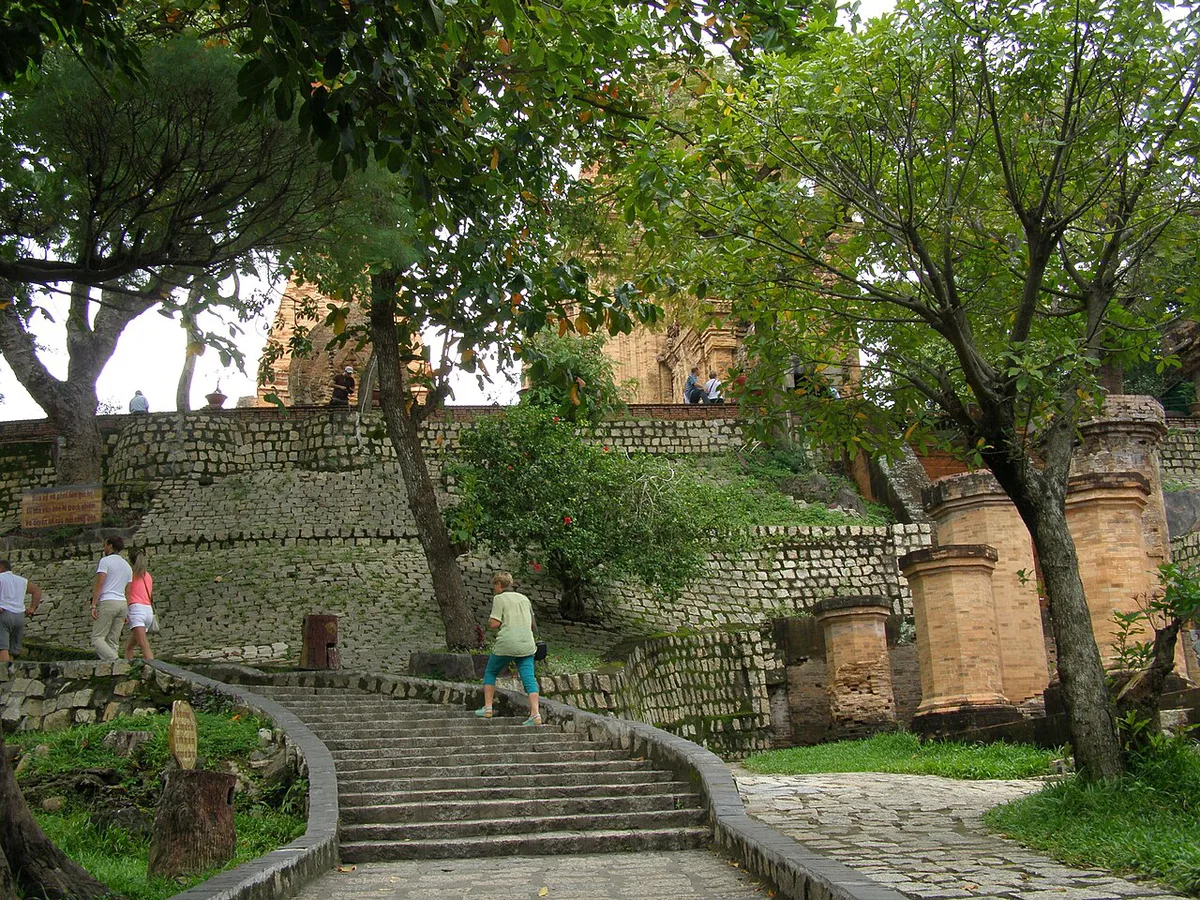
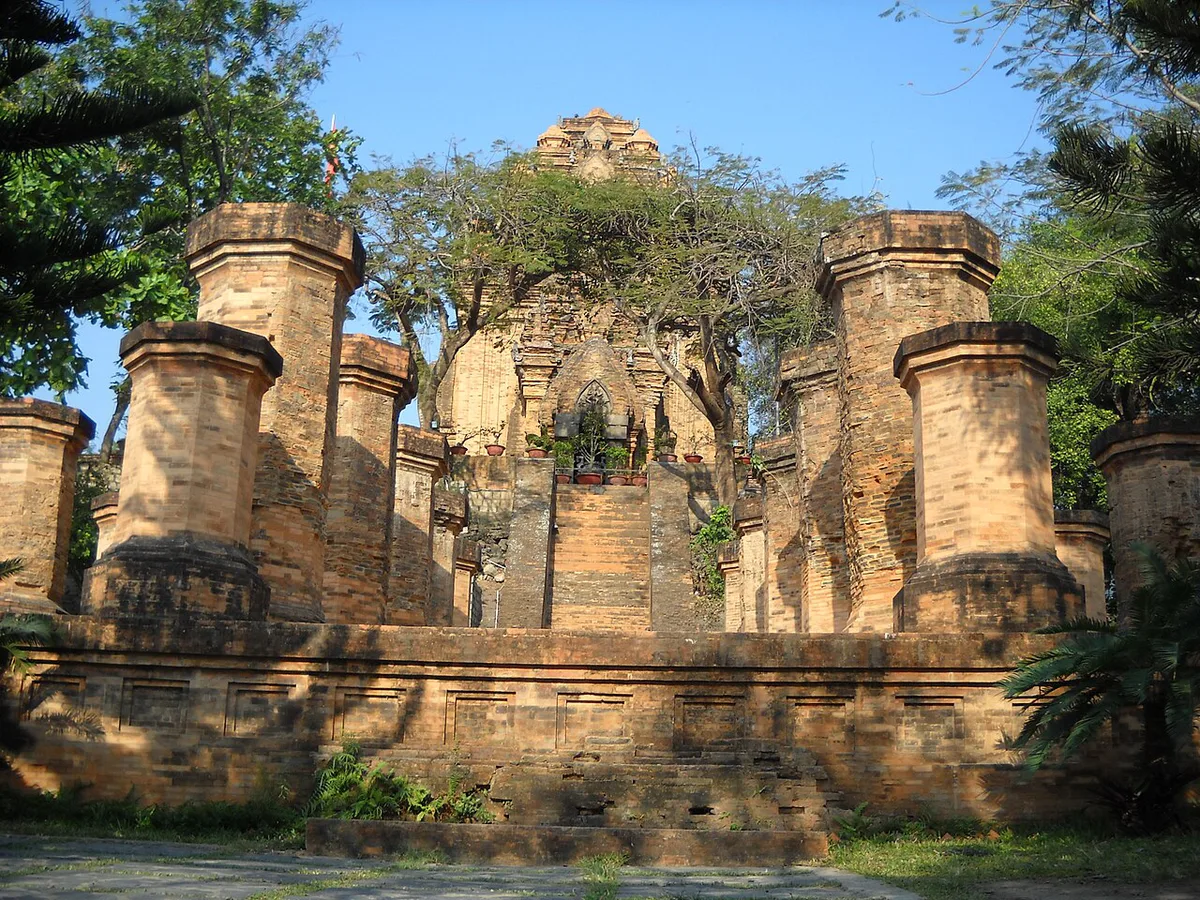
Cu Lao Hill rises beside the Cai River estuary, and the complex climbs in 3 levels. The lowest level holds a gate tower and old stone steps. Worshippers once prepared offerings in the middle level, a pillared mandapa where 10 octagonal brick columns are reported to still stand. All the towers on the top terrace face east.
Four towers survive, and 10 octagonal brick columns are reported to still stand in the middle level.
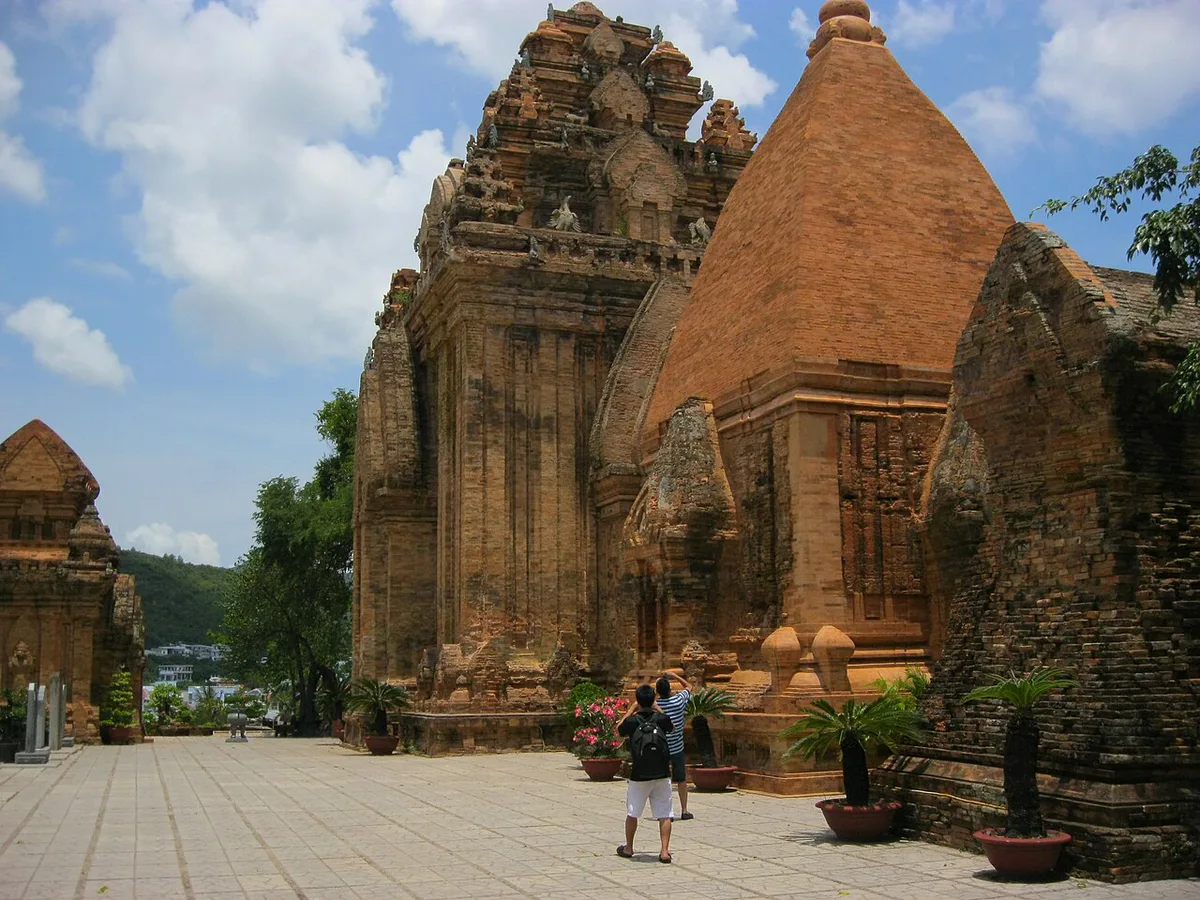
- North Tower (Thap Chinh): the tallest and most ornate, with a terraced pyramidal roof and a black stone goddess statue inside. Guides disagree on its height, so judge it by eye.
- Central Tower: plainer than its neighbours, with a linga in the main chamber.
- South Tower: smaller, and also shelters a linga.
- Northwest Tower: the most richly decorated of the smaller towers.
Getting to Po Nagar from Central Nha Trang
Po Nagar stands on the northern bank of the Cai River, just north of Bong Bridge. Reported distances from the centre vary, so think of it as a short hop of a few kilometres. Each option below trades cost against effort.
| Option | Cost level | Effort | Best for |
|---|---|---|---|
| Taxi or Grab | Moderate for a short ride | Low: door to gate | Midday heat, rain, and solo travellers |
| Motorbike | Cheap if you already ride | Medium: traffic and parking | Flexible timing and stops along the river |
| City bus | Lowest | Highest: check the route first | Budget travellers with spare time |
Tickets, Opening Hours and Dress Code at Po Nagar
Adult admission is a small fee. A 2020 listing gave ₫22,000, while a more recent guide reports ₫30,000, so carry small notes and expect the higher figure. Reported hours are 6:00 to 17:30 daily. Prices and hours checked November 2026 against published listings. Confirm current details through the Khanh Hoa tourism portal or at the ticket booth.
Hours are reported as 6:00 to 17:30 daily, so a late-afternoon slot after 15:30 still fits before closing.
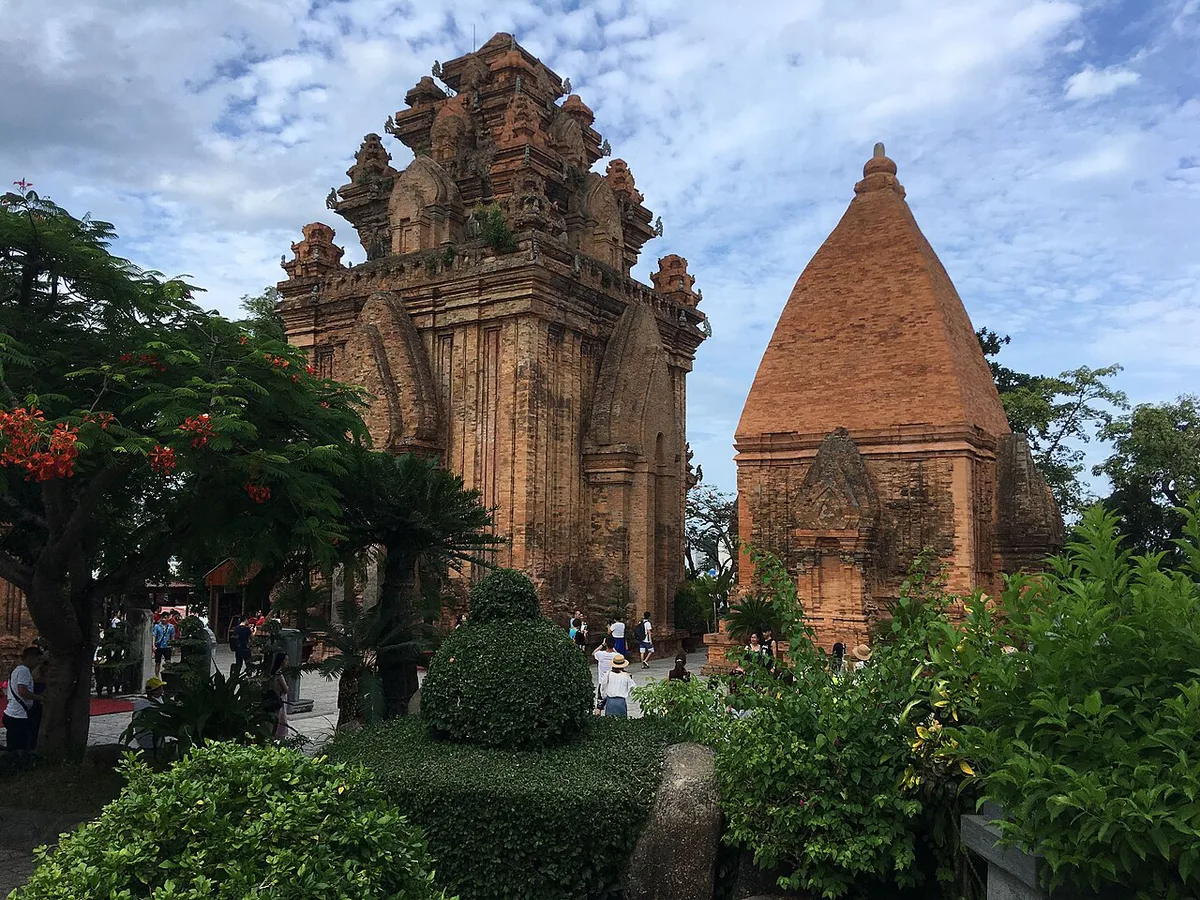
Dress as you would for any active temple. Cover your shoulders and knees. Remove shoes before entering any tower. Sarongs may be lent at the entrance, but bring a light scarf or long trousers anyway. Keep your voice low when worshippers are praying.
Best Time to Visit Po Nagar
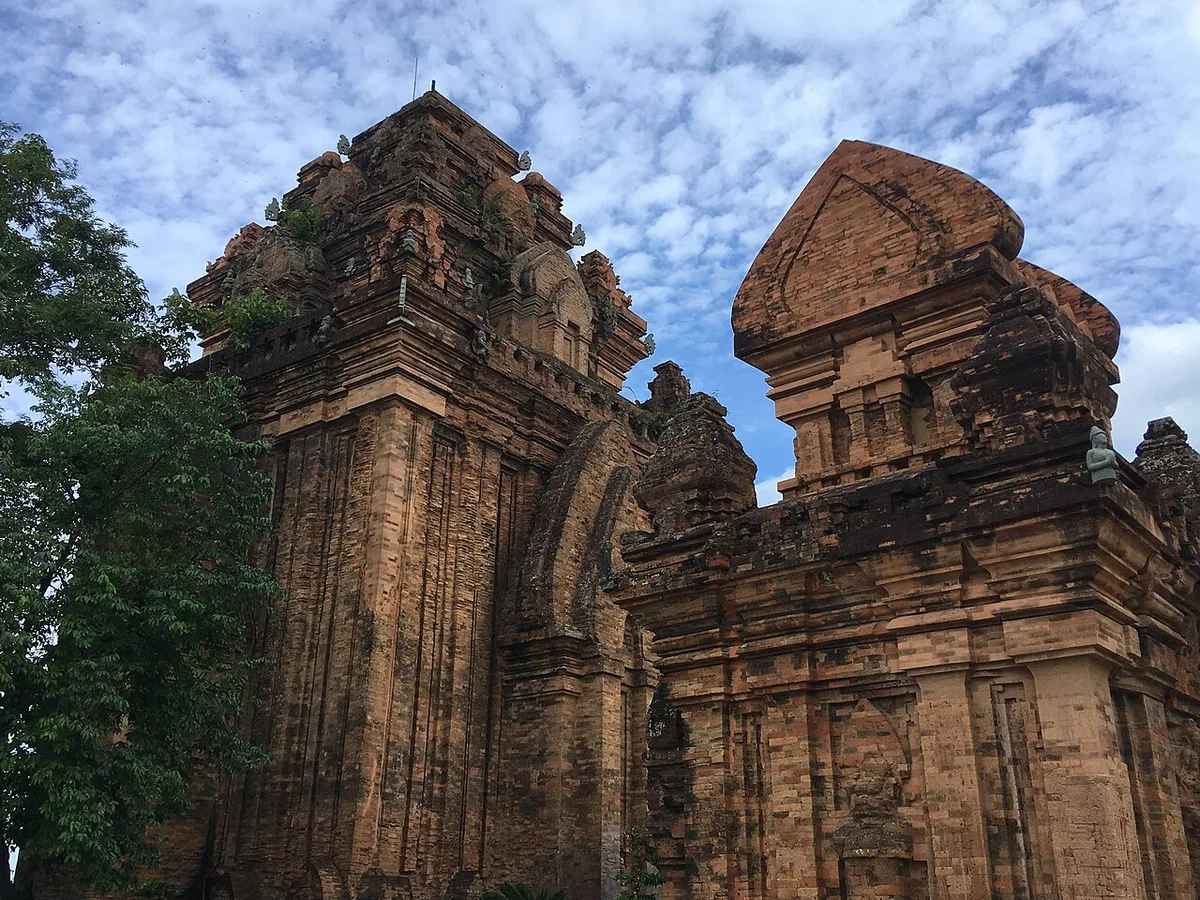
Early morning or late afternoon beats midday. Before 9:00 or after 15:30 is a practical window that avoids tour groups and the worst heat. Stone steps can turn slippery in wet weather, so wear shoes with grip that slip off easily.
Thap Ba Festival falls in the third lunar month, and Gregorian dates shift each year. Check the date and any courtyard performances on the national tourism site before you plan around it.
How Long to Stay and What to Combine
Allow 45 to 90 minutes on site. Use the shorter end if you only want the North Tower and a few photos. Stay longer if you read the context and sit in the courtyard. For a wider plan, see our guide to 10 Best Things To Do In Nha Trang: Costs And 4-Day Plan.
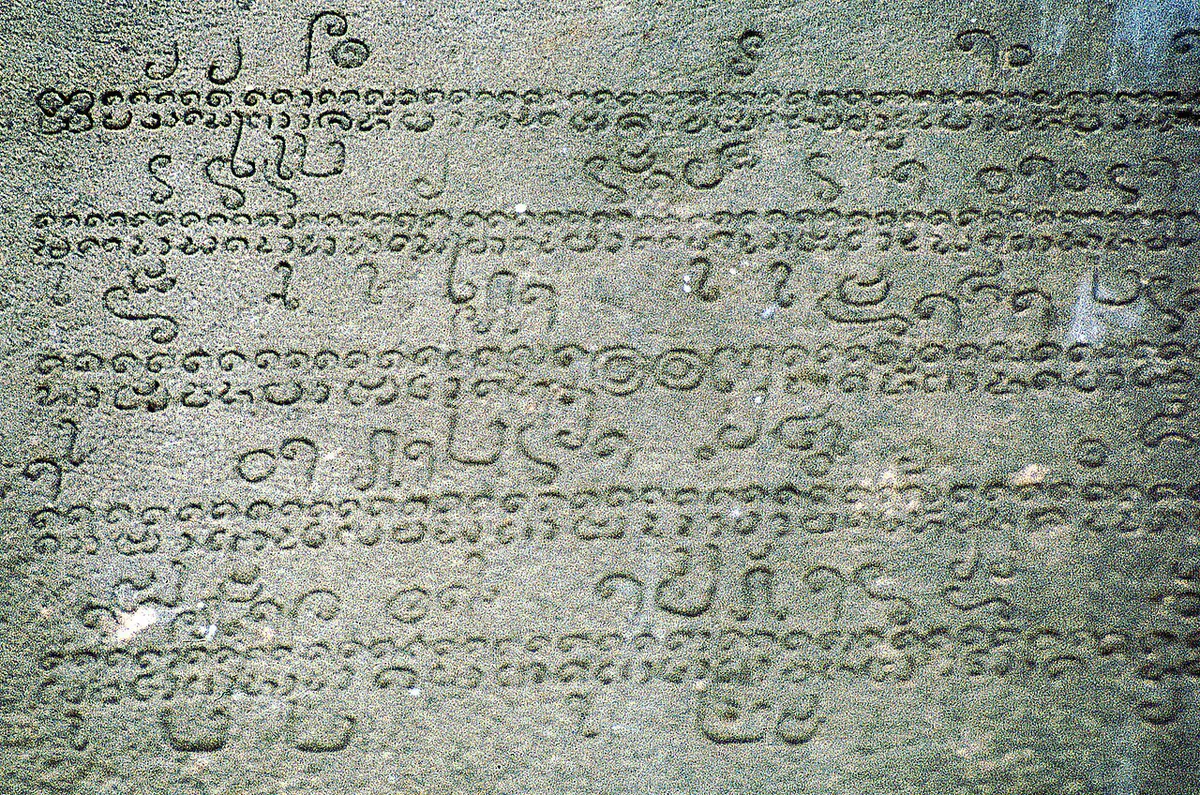
A simple half day works like this. Towers go first because mornings are cooler and the light is softer. A relaxing stop follows when the heat builds.
| Traveller type | Worth it? | Suggested time | Pairing idea |
|---|---|---|---|
| First-timers | Yes, as a short cultural stop | About 45 minutes | Mud bath or beach afterwards |
| Culture and history fans | Definitely | 60 to 90 minutes | Read up on Champa before you go |
| Families with kids | Yes, if children handle steps and quiet | About 45 minutes | Pair with ideas in our Nha Trang with kids guide |
| Beach-only travellers | Skip | None | Spend the time on the sand |
| Rainy-day planners | Good, but watch slippery steps | About 60 minutes | Indoor lunch afterwards |
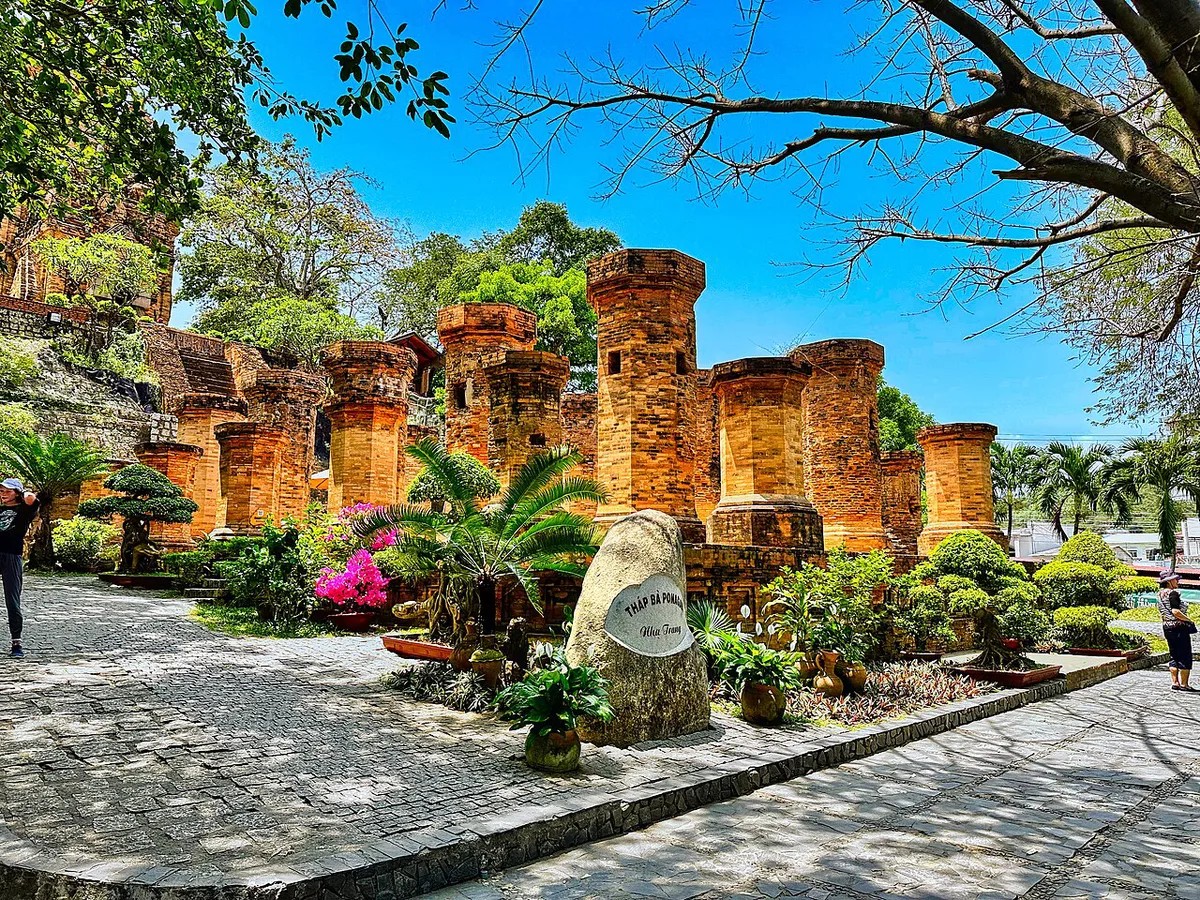
- Early morning: walk the three levels of Po Nagar and enter the North Tower.
- Late morning: head back to the centre for lunch.
- Early afternoon: soak at a Nha Trang Mud Bath: Thap Ba vs I-Resort and Tips to rest tired legs.
- Different kind of day: swap the temple for VinWonders Nha Trang Guide: Tickets, Shows & Tips if you want rides rather than history.
Common Mistakes to Avoid at Po Nagar
Most problems come from rushing or underpreparing. Avoid these.
- Arriving at midday, when heat and tour groups peak.
- Wearing shorts or sleeveless tops to an active place of worship.
- Treating it as a five-minute photo stop.
- Skipping the on-site context, so the towers look like plain red brick.
- Forgetting to check the ticket price and hours before you set out.
Frequently Asked Questions
What is the history of the Ponagar Cham Towers?
Cham builders dedicated the complex to Yan Po Nagar, the mother goddess. Brickwork dates from roughly the 8th century onward, and the North Tower is dated to AD 817. Four towers survive, and worship continues today.
Did the Champa civilization exist in Vietnam?
Yes. The Champa Kingdom held much of central and southern Vietnam for centuries. Po Nagar is one of its surviving monuments, and a Cham minority still lives in Vietnam.
Useful notes for your Vietnam trip
Optional updates to our guides.
You might also like


Continue reading
More guides you'll find useful